

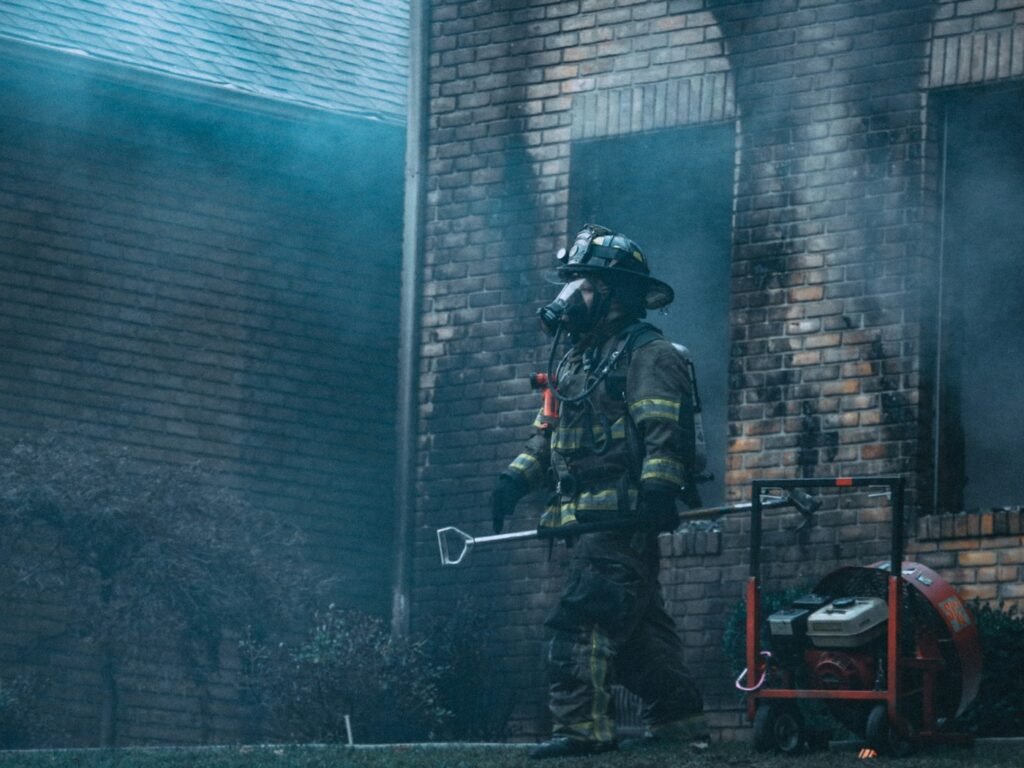
An SCBA inspection checklist and cylinder hydrostatic test interval are the two controls that keep self-contained breathing apparatus ready for an emergency: sets must be checked monthly and after every use (face mask, harness, cylinder pressure, demand valve, gauge and low-pressure whistle), and composite cylinders must be hydrostatically tested every five years with a maximum service life of 15 years under ISO 11119 and DOT rules, while steel cylinders follow five-year retest without a fixed life limit. UAE Civil Defence, Saudi Aramco and ADNOC emergency response standards all require documented evidence of both.
Where SCBA is required on GCC sites
Self-contained breathing apparatus provides respirable air independent of the surrounding atmosphere, so it is the only acceptable respiratory protection for entry into unknown atmospheres, IDLH conditions, H2S releases above 100 ppm, oxygen-deficient vessels and fire-fighting. Refinery and gas plant fire teams in Jubail, Ruwais and Ras Laffan, confined-space rescue teams, ammonia and chlorine handling at water treatment plants, and industrial fire brigades under UAE Fire and Life Safety Code all maintain SCBA. Routine confined-space work uses other equipment; SCBA is for rescue, emergency and high-hazard entry.
Standards: EN 137 versus NFPA 1981
| Standard | Scope | Key points |
|---|---|---|
| EN 137:2006 | Open-circuit compressed-air SCBA (Europe, widely accepted in GCC) | Type 1 industrial, Type 2 fire-fighting with flame engulfment test; full-face mask to EN 136 Class 3 |
| NFPA 1981 | SCBA for fire and emergency services (US; often specified by Aramco and refineries) | Heads-up display, end-of-service alarm at 33 percent, heat and flame resistance, PASS alarm integration |
| EN 12245 / ISO 11119 | Composite cylinders | Design life and periodic inspection requirements |
Both standards call for a positive-pressure demand valve so that any leak flows outward. Sets are typically 30, 45 or 60 minutes nominal duration, with 300 bar carbon-composite cylinders the standard for weight-sensitive rescue teams.
The inspection checklist
- 1. Cylinder pressure: at least 90 percent of rated pressure (some sites require full); open the valve slowly and check the gauge.
- 2. Cylinder condition and date: no gouges, abrasion through the outer wrap, heat discolouration or loose labels; confirm the hydrostatic test date and manufacture date are within limits.
- 3. High-pressure leak test: open and close the cylinder valve, watch the gauge for one minute; pressure drop within the manufacturer’s limit (typically 10 bar).
- 4. Low-pressure warning: bleed pressure slowly and confirm the whistle or electronic alarm sounds at the specified point (around 55 bar on 300 bar sets).
- 5. Face mask: visor clear and uncracked, head harness elastic, exhalation valve clean, speech diaphragm intact; perform a negative-pressure seal check on donning.
- 6. Demand valve: positive pressure activates on first breath; bypass works; no free-flow.
- 7. Backplate and harness: straps, buckles and cylinder band secure, no cuts or chemical damage.
- 8. Hoses and connections: no kinks, abrasion or loose fittings.
- 9. Record: log the check against the set serial number with date and inspector.
Monthly checks by the user organisation and annual servicing by a manufacturer-approved technician, including flow testing on a calibrated bench, are the usual minimum. After every use the set is cleaned, disinfected, refilled and rechecked before return to service.
Cylinder hydrostatic testing and service life
Carbon-composite cylinders (Type 3 and Type 4) are retested every five years and withdrawn at 15 years from manufacture under most ISO 11119 and DOT special-permit regimes; some newer designs carry non-limited life approvals, so check the label. Steel cylinders are retested every five years with no fixed life limit if they pass. Aluminium-lined hoop-wrapped cylinders usually follow a three-year interval. Retesting must be done by an accredited test station, and the new test date stamped or labelled on the cylinder. Breathing air must meet EN 12021 purity, so the compressor used for refills needs its own quarterly air quality certificate.
Common mistakes on UAE and Saudi sites
Sets kept in a hot external cabinet, which degrades the face mask rubber and harness webbing. Cylinders refilled from an untested compressor. Users with beards who cannot achieve a face seal (EN 136 and NFPA both require a clean-shaven seal area, and fit testing is expected). Sets not cleaned after drills. Expired cylinders kept as spares. No one on site who can carry out the monthly check correctly. Mixing cylinders between manufacturers without confirming the valve and band compatibility.
SCBA versus escape sets and airline systems
SCBA is for entry and rescue. An emergency escape breathing device provides 10 to 15 minutes of air for evacuation only and must never be used for entry. For long-duration planned work in a contaminated atmosphere, a supplied-air airline respirator with an escape cylinder is lighter and more practical. Emergency response plans should state which device applies to which scenario.
Use the SCBA inspection checklist before each use, after each use and at the monthly check. Add cylinder hydrostatic test dates to the SCBA inspection checklist so expired cylinders are removed. Keep a signed SCBA inspection checklist with each set for audit trails.
Related guides: EEBD vs SCBA: When to Use an Escape Breathing Set (5 Rules) · PAPR vs Full Face Respirator: Which to Choose for Hot Sites · Respirator Cartridge Change Schedule: 5 Rules for UAE Sites
Key takeaways: SCBA Inspection Checklist
- Monthly and post-use inspections, annual flow testing by an approved technician.
- Composite cylinders: five-year hydrostatic test, 15-year life; steel: five-year test.
- Breathing air must meet EN 12021; the compressor needs its own certificate.
- Clean-shaven face seal and fit testing are mandatory for wearers.
- Keep sets cool and shaded; heat damages rubber and webbing.
Al Baraka Diyar supplies EN 137 and NFPA 1981 self-contained breathing apparatus with spare cylinders, storage cabinets and service support for emergency response teams in the UAE, with service to Saudi Arabia and India. See our safety products catalogue or contact us to specify sets, cylinder sizes and servicing for your site.
Scba Inspection Checklist: practical summary
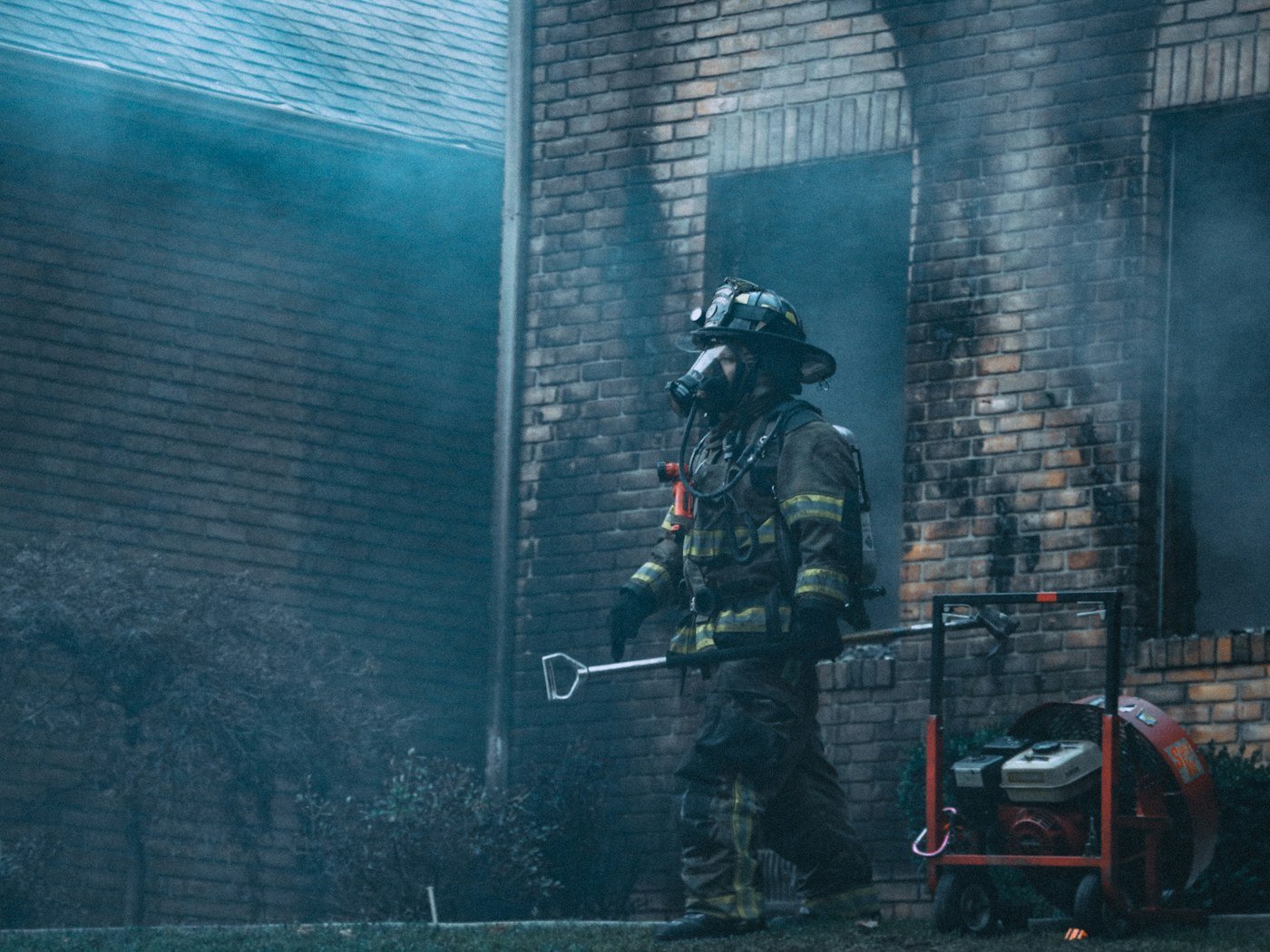
This guide to scba inspection checklist is written for UAE work sites, and also applies to our service areas in Saudi Arabia and India. If you need help applying scba inspection checklist on your site, our team can confirm the right option and supply certified stock from the safety products range, or you can request a quotation. For the underlying standards, see the International Organization for Standardization.
Frequently asked questions
How often must SCBA cylinders be hydrostatically tested?
Carbon-composite cylinders every five years, with a maximum service life of 15 years from manufacture unless the label states otherwise. Steel cylinders are retested every five years without a fixed life. Testing must be done by an accredited station and the new date marked on the cylinder.
What is the difference between EN 137 Type 1 and Type 2 SCBA?
Type 1 is for industrial use. Type 2 adds flame engulfment and heat resistance tests for fire-fighting, and is what industrial fire brigades and Civil Defence specify. Many refinery and gas plant emergency response teams in the GCC specify Type 2 or NFPA 1981 sets.
Can workers with beards use SCBA?
No. Both EN 136 full-face masks and NFPA 1981 require a clean-shaven seal area, and operators such as Aramco and ADNOC require quantitative fit testing. Facial hair under the seal allows contaminated air in at the moment of highest breathing rate. Hood-type PAPR is the alternative for non-IDLH tasks.