


A respirator cartridge change schedule sets a fixed interval, based on the contaminant, concentration, work rate and climate, after which gas and vapour cartridges are replaced regardless of whether the wearer can smell anything. Relying on odour or taste to signal a spent cartridge is not acceptable under OSHA 1910.134 or UK HSE guidance, and it is unsafe for substances such as hydrogen sulphide that deaden the sense of smell. Al Baraka Diyar supplies reusable half masks and filters to EN 140, EN 143 and EN 14387, and this guide sets out five rules for building a change schedule that works in UAE and Saudi conditions.
Why change-out schedules matter in the Gulf
Heat and humidity shorten the life of activated-carbon gas filters significantly. Water vapour competes with the contaminant for adsorption sites, so a cartridge rated for eight hours against toluene at 25 °C and 50 per cent humidity may break through in half that time in a Jebel Ali paint shop in August. OSHAD-SF, the Dubai Municipality construction code, ADNOC HSE standards and Saudi Aramco’s Construction Safety Manual all require a written respiratory protection programme, and auditors increasingly ask to see the cartridge schedule and the basis for it.
Understanding filter classes first
| Filter | Standard | Colour | Protects against | Change-out basis |
|---|---|---|---|---|
| P1 / P2 / P3 | EN 143 | White | Particulates: 80 / 94 / 99.95 % | Breathing resistance, damage, hygiene |
| A1 / A2 / A3 | EN 14387 | Brown | Organic vapours, boiling point above 65 °C (solvents, fuels) | Time schedule or ESLI |
| B1 / B2 | EN 14387 | Grey | Inorganic gases: chlorine, H2S, HCN | Time schedule only |
| E1 / E2 | EN 14387 | Yellow | Acid gases: SO2, HCl | Time schedule only |
| K1 / K2 | EN 14387 | Green | Ammonia and amines | Time schedule only |
| AX | EN 14387 | Brown | Low-boiling organics below 65 °C | Single use, same shift |
| ABEK1 P3 | EN 14387 + EN 143 | Multi-band | Combination with particulate pre-filter | Earliest of gas or particulate limit |
Class 1 filters hold less sorbent than class 2 and are rated to lower concentrations (typically 1,000 ppm vs 5,000 ppm). Class 2 filters last longer and are the better choice for a full-shift schedule. For particulate-only hazards such as silica or welding fume, see our guide to disposable respirators.
Rule 1: never rely on odour
Many substances have odour thresholds above their occupational exposure limits, and H2S causes olfactory fatigue within minutes. A worker who can smell solvent through the mask has already been exposed. Odour, taste or irritation may be used as an emergency backstop only, never as the primary change-out trigger.
Rule 2: calculate or obtain a service life estimate
Most major manufacturers provide online service-life calculators that take contaminant, concentration, temperature, humidity and work rate as inputs. Use the highest measured or expected concentration, the hottest realistic workplace temperature and 85 per cent humidity for coastal UAE and Eastern Province sites. Apply a safety factor of at least two, so a calculated 10-hour life becomes a 5-hour schedule. Where no data exist, use workplace air monitoring and the manufacturer’s breakthrough data for a similar compound, and document the reasoning.
Rule 3: set the schedule by shift, not by feel
Practical schedules are expressed in whole or half shifts: change at the start of every shift, every half shift, or at the start of every task for AX and mercury filters. Write the interval on the respirator issue card and on the cartridge with a permanent marker, including the date and time of fitting. Combination filters are changed when either the gas or the particulate limit is reached, so a painter in a dusty yard may need a new ABEK1 P3 before the carbon is exhausted.
Rule 4: account for storage and re-use between shifts
Carbon continues to adsorb moisture and vapour from the air when the mask is off. Cartridges left on a bench overnight in a paint store lose capacity without any work being done. Store the mask in a sealed bag or container between uses, and treat any cartridge opened more than six months ago as spent. In Gulf summer conditions, assume that an opened cartridge not used within a week has lost a meaningful share of its life.
Rule 5: fit test, inspect and record
A change schedule is worthless if the mask leaks. Fit test each wearer to the specific mask model annually and after any change in facial shape, and enforce a clean-shaven policy. Inspect the facepiece, inhalation and exhalation valves and head harness before each use. Record issue, cartridge change and fit-test dates in the respiratory protection register; this is the document an ADNOC or Aramco auditor will ask to see. Where exposures are high or the work is in a confined space, consider a powered air-purifying respirator or supplied air instead.
Common mistakes
- Using the same A2 cartridges for weeks in a spray booth.
- Fitting an A-class filter for ammonia or chlorine, which require K or B filters.
- Using any air-purifying respirator in a confined space with unknown oxygen levels.
- Changing particulate pre-filters but not the gas cartridge underneath.
- Storing masks in vehicle cabs where temperatures exceed 60 °C.
Cost factors
Class 2 cartridges cost more than class 1 but last longer and are usually cheaper per protected hour. Half-shift schedules in high-humidity sites double consumable spend; where this becomes significant, a loose-fitting PAPR with a single annual filter change may be more economical over a job.
A respirator cartridge change schedule prevents breakthrough exposure. Base the respirator cartridge change schedule on contaminant level and hours used. Record the respirator cartridge change schedule on issue logs.
Related guides: Full Face vs Half Mask Respirator: 7 Factors for UAE Sites · PAPR vs Full Face Respirator: Which to Choose for Hot Sites · Airline Respirator Breathing Air Quality Requirements: 6 Checks
Key takeaways: Respirator Cartridge Change Schedule
- Odour is never an acceptable change-out trigger.
- Use manufacturer service-life calculators with Gulf temperature and humidity inputs and a safety factor of two.
- Express schedules in shifts, mark cartridges with fitting date and time, and record changes.
- Store cartridges sealed between uses; opened cartridges degrade even when idle.
- Fit testing and inspection are part of the schedule, not separate from it.
Al Baraka Diyar supplies reusable half masks with bayonet filters across the A, B, E, K and P classes to contractors and plants in the UAE, KSA and India. View our reusable half-mask respirators and replacement filters, browse the full safety products range, or contact our team for help building a cartridge change schedule for your site.
Respirator Cartridge Change Schedule: practical summary
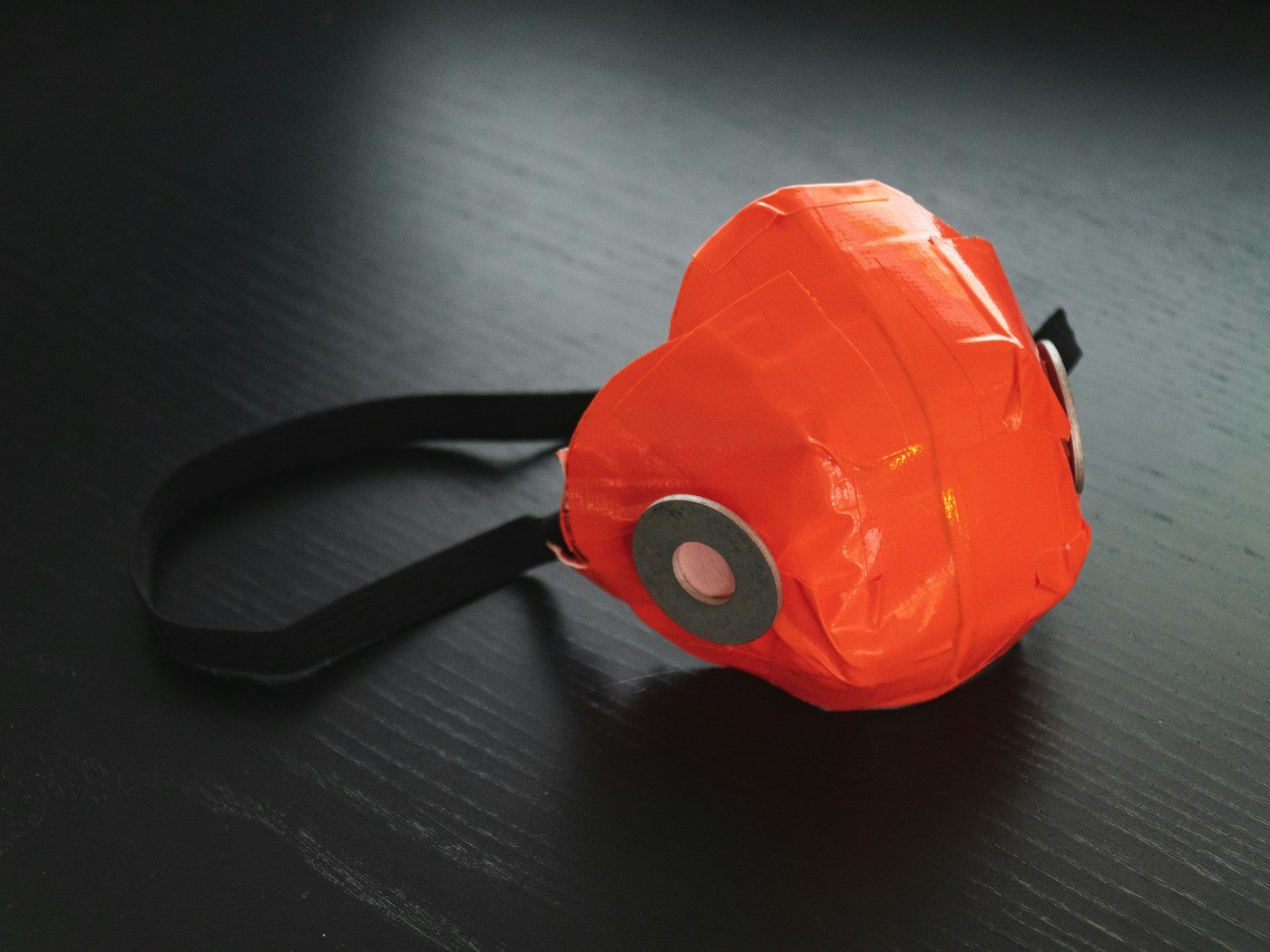
This guide to respirator cartridge change schedule is written for UAE work sites, and also applies to our service areas in Saudi Arabia and India. If you need help applying respirator cartridge change schedule on your site, our team can confirm the right option and supply certified stock from the safety products range, or you can request a quotation. For the underlying standards, see the International Organization for Standardization.
Frequently asked questions
How often should respirator cartridges be changed?
On a fixed schedule derived from the manufacturer's service-life estimate for your contaminant, concentration, temperature and humidity, with a safety factor applied. Typical GCC schedules are every shift or every half shift; AX filters are single use. Never wait to smell breakthrough.
Does heat and humidity shorten gas cartridge life?
Yes. Water vapour competes with the contaminant for space in the activated carbon, and higher temperatures reduce adsorption capacity. In humid UAE and Eastern Province conditions, cartridge life can fall to half the figure quoted for 25 °C and 50 per cent humidity.
Can a half-mask respirator be used in a confined space?
Only when the atmosphere has been tested, oxygen is between 19.5 and 23.5 per cent and contaminant levels are within the filter's rated capacity. Unknown atmospheres, oxygen deficiency or IDLH conditions require supplied-air or SCBA, not an air-purifying mask.