

Respiratory protection · Premium & specialised · HSE-mandated
Emergency Escape Breathing Devices (EEBD) in UAE, KSA & India
Emergency escape breathing devices (EEBD) are compact hooded or masked breathing sets with a small compressed-air cylinder or filter that give a worker 10 to 15 minutes of respirable air to escape from a toxic, smoke-filled or oxygen-deficient area.
Site quantities · CE / ANSI certificates · Delivery across UAE, KSA & India
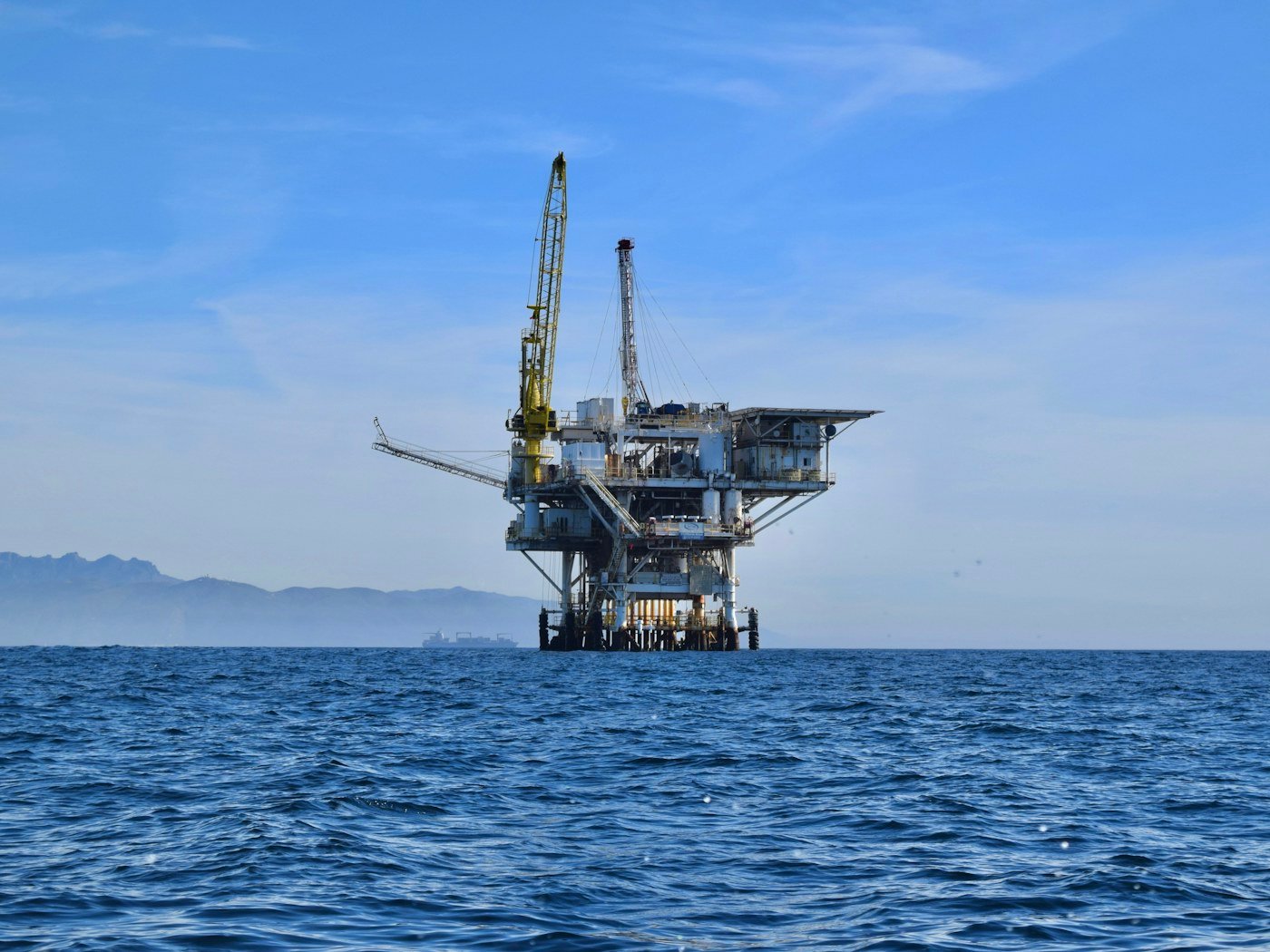
An EEBD is designed for escape only, not for entry or rescue. Compressed-air escape sets to EN 1146 supply constant-flow air from a 2 or 3 litre cylinder into a flame-resistant hood with a clear visor; they work in oxygen-deficient and H2S atmospheres. Filter-type escape hoods to EN 403 protect against smoke and carbon monoxide in fires but need adequate oxygen. Both are carried on the belt or stored in marked cabinets along escape routes.
On sour gas plants, offshore platforms, refineries, tankers and tunnels in the Gulf, EEBDs are issued to every person working in an H2S area under ADNOC, Saudi Aramco and QatarEnergy rules. Al Baraka Diyar supplies belt-worn and cabinet-stored EEBDs across the UAE (Ajman, Dubai, Abu Dhabi), Saudi Arabia and India, with wall boxes, carry bags and refill arrangements.
Key features
- EN 1146 compressed-air hood sets with 10 or 15 minute constant-flow duration
- Anti-static, flame-retardant hood with wide visor; fits over spectacles, beards and hard-hat removal
- Automatic activation on opening the bag; audible flow indicator and pressure gauge
- Lightweight 2 L or 3 L aluminium or composite cylinder at 200–300 bar, under 4 kg
- EN 403 filter escape hoods for fire smoke, CO and toxic fumes in buildings and ships
- SOLAS / MED-approved marine versions for tankers and offshore installations
Technical specifications
| Standards | EN 1146 (compressed-air escape); EN 403 (fire escape hoods); SOLAS / MED for marine; ANSI Z88.2 practice |
|---|---|
| Duration | 10 or 15 minutes (EN 1146); 15 minutes (EN 403) |
| Air supply | 2 L / 200 bar or 3 L / 300 bar cylinder, constant flow approx. 38 L/min |
| Hood material | Flame-retardant PVC or Nomex-laminate with polycarbonate visor |
| Weight | Approximately 2.5–4 kg complete |
| Storage | Belt bag, shoulder bag or wall cabinet with inspection window |
| Service | Annual inspection; cylinder hydrostatic test every 5 years; EN 403 shelf life typically 5–10 years |
| Operating temperature | -15 °C to +60 °C |
| Packaging | Individually bagged; cartons of 4 or 6 |
Variants available
- 10-minute EN 1146 compressed-air escape hood, belt-worn
- 15-minute EN 1146 escape set with shoulder bag
- Marine SOLAS-approved EEBD for tankers and rigs
- EN 403 filter escape hood for fire smoke and CO
- Wall-mounted EEBD cabinet with alarmed door
- Refillable cylinders and charging adaptors
Brands we supply
Applications across GCC sites
H2S escape for all personnel in sour service areas under ADNOC and Saudi Aramco H2S procedures
platform and rig crews, mandatory on many ADNOC Offshore and Aramco offshore installations
refinery and gas plant escape routes in Ruwais, Habshan, Jubail and Yanbu
tankers and bulk carriers at Fujairah, Jebel Ali and Ras Tanura under SOLAS
tunnelling and shaft sinking with toxic gas risk
chlorine and ammonia rooms at desalination and cold-storage plants
What site HSE teams expect
ADNOC HSE standards and Saudi Aramco GI 1780.001 typically require every person entering a classified H2S area to carry a personal H2S monitor and an escape breathing device, with EEBD cabinets at muster routes. Abu Dhabi OSHAD and UAE Civil Defence expect escape sets for high-rise plant rooms and tunnels where filter hoods to EN 403 are common. SOLAS requires EEBDs in accommodation and machinery spaces of merchant vessels.
Compressed-air EEBDs are inspected monthly for pressure and seal integrity, serviced annually and cylinders hydrostatically tested every five years. EN 403 hoods are sealed single-use products with a stated shelf life and are replaced on expiry or after opening. Al Baraka Diyar supplies units with CE, EN 1146 or MED certificates and inspection tags, and can advise on cabinet positioning along escape routes.
How to choose
- Choose EN 1146 compressed-air sets for H2S or oxygen-deficient areas; EN 403 filter hoods only for fire smoke with adequate oxygen
- Select 15-minute sets where escape distance to a safe muster point exceeds a few minutes' walk
- Specify SOLAS / MED-approved units for vessels and offshore installations
- Decide between belt-worn issue for each worker and cabinet-stored sets based on the client H2S procedure
Frequently asked questions
Can an EEBD be used to enter an H2S area or perform a rescue?
No. Escape sets are designed only to leave a contaminated area and lack the duration, positive pressure and face seal for entry or rescue. Entry and rescue require SCBA or supplied-air respirators. Using an EEBD for rescue is a common audit finding on Gulf sites.
What is the difference between EN 1146 and EN 403 escape devices?
EN 1146 sets carry their own compressed air and work in oxygen-deficient and H2S atmospheres. EN 403 hoods are filter devices for fire smoke and carbon monoxide and need at least 17 % oxygen. Oil and gas sites use EN 1146; buildings and ships often use EN 403 for fire escape.
Is an EEBD mandatory on Saudi Aramco and ADNOC sites?
In classified H2S areas, yes in practice. Both operators' H2S procedures require escape breathing apparatus for personnel in sour service zones, and many offshore installations issue a belt-worn set to each person. Requirements are set in the site HSE plan rather than federal regulation.
How long does an escape breathing device last in storage?
Compressed-air sets have a long life if serviced annually and the cylinder is hydrostatically tested every five years; hoods are replaced when worn. Filter escape hoods have a sealed shelf life, typically five to ten years, and are replaced on expiry or after any use.
Can Al Baraka Diyar supply EEBDs in bulk with cabinets?
Yes. Belt-worn and cabinet-stored escape sets, wall cabinets and refill services are supplied in site quantities from Ajman to Dubai, Abu Dhabi, Saudi Arabia and India. Marine SOLAS-approved units are available for vessel and offshore orders with MED certificates.
Quote for Emergency Escape Breathing Devices (EEBD)
Tell us quantity, sizes and delivery location. We reply with an itemised quotation and certificates within one working day.
Related safety products
Self-Contained Breathing Apparatus (SCBA)
Self-contained breathing apparatus (SCBA) is a positive-pressure respiratory protection system in which the wearer carries a compressed-air …
Personal H2S Gas Monitors
Personal H2S gas monitors are compact, body-worn single-gas detectors with an electrochemical sensor that alarm audibly, visually and by vib…
Supplied-Air (Airline) Respirators
Supplied-air respirators are airline breathing systems that deliver filtered compressed breathing air through a hose from a compressor or cy…
Need Emergency Escape Breathing Devices (EEBD) for your site?
Send us the quantity, sizes and delivery location, or the client standard you must meet, and we will return an itemised quotation with certificates within one working day.