

Gas detection & confined space · Premium & specialised · HSE-mandated
Personal H2S Gas Monitors in UAE, KSA & India
Personal H2S gas monitors are compact, body-worn single-gas detectors with an electrochemical sensor that alarm audibly, visually and by vibration when hydrogen sulphide reaches preset limits, typically 5 ppm and 10 ppm.
Site quantities · CE / ANSI certificates · Delivery across UAE, KSA & India
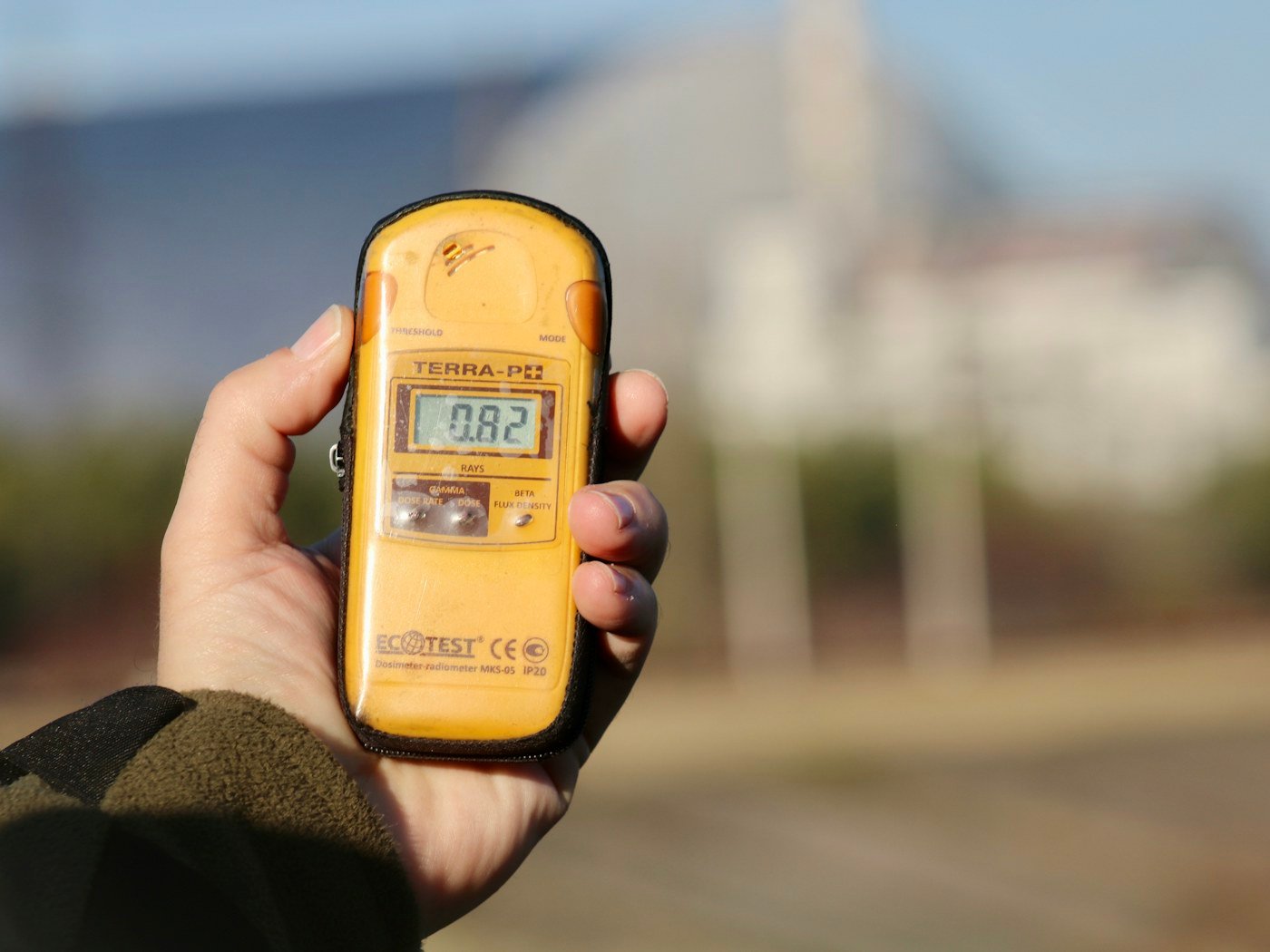
Personal H2S monitors are clip-on single-gas detectors that continuously sample ambient air for hydrogen sulphide, a colourless, flammable and highly toxic gas associated with sour crude, gas processing, sewage and sulphur recovery. The electrochemical sensor triggers a loud alarm, flashing LEDs and vibration at low and high set points. Most units are intrinsically safe to ATEX and IECEx for use in Zone 0 or Zone 1 hazardous areas.
Every worker entering a sour service area on ADNOC, Saudi Aramco, QatarEnergy or Dubai Municipality sewerage sites is normally required to wear a personal H2S monitor. Al Baraka Diyar supplies site quantities of two-year disposable and serviceable H2S monitors across the UAE (Ajman, Dubai, Abu Dhabi), Saudi Arabia and India, together with calibration gas, bump-test stations and docking systems for fleet management.
Key features
- Electrochemical H2S sensor with 0–100 ppm range and 0.1 ppm resolution
- Low and high alarms factory set to 5 ppm and 10 ppm, user adjustable
- 95 dB audible, bright red LED and vibrating alarms for high-noise plant environments
- ATEX, IECEx and UL intrinsically safe for Zone 0 / Class I Div 1 areas
- Maintenance-free two-year or three-year models with no charging or sensor change
- Event logging, bump-test reminders and docking-station compatibility on serviceable models
Technical specifications
| Certification | ATEX II 1G Ex ia IIC T4 Ga; IECEx; UL / CSA Class I Div 1 |
|---|---|
| Sensor | Electrochemical hydrogen sulphide |
| Range | 0–100 ppm (some models 0–200 ppm) |
| Default alarms | Low 5 ppm; High 10 ppm; STEL 15 ppm; TWA 10 ppm (configurable) |
| Battery life | 2 years continuous (disposable) or 1–2 months per charge (rechargeable) |
| Ingress protection | IP66 / IP67 |
| Operating temperature | -40 °C to +50 °C (model dependent) |
| Weight | Approximately 80–110 g with clip |
| Packaging | Individually boxed; cartons of 10 or 20 units |
Variants available
- 2-year maintenance-free disposable H2S monitor
- 3-year disposable H2S monitor with hibernation
- Serviceable H2S monitor with replaceable sensor and battery
- H2S monitor with data logging and docking station
- Dual-gas H2S / CO personal monitor
- Calibration gas and docking station bundles
Brands we supply
Applications across GCC sites
sour crude production, gas sweetening and sulphur recovery units under ADNOC and Saudi Aramco H2S procedures
refinery turnarounds and tank cleaning in Ruwais, Jubail and Yanbu
pump stations, sewer manholes and treatment works for Dubai Municipality and ADSSC
rig floor and mud pit personnel on onshore and offshore wells
deep excavations and tunnelling near sewer networks
tanker loading jetties and bulk sulphur terminals
What site HSE teams expect
ADNOC HSE standards and Saudi Aramco GI 1780.001 (H2S) and CSM requirements typically mandate a personal H2S monitor for every person entering a defined H2S area, with alarm set points aligned to occupational exposure limits of 5 ppm (TWA) and 10 ppm (STEL/ceiling). Abu Dhabi OSHAD and Dubai Municipality sewerage contractors commonly adopt the same practice. Monitors used in hazardous areas must carry ATEX or IECEx intrinsic-safety certification matched to the zone and gas group.
Monitors should be bump-tested before each day's use and calibrated at intervals set by the manufacturer, typically every 90 to 180 days for serviceable units. Disposable units are commonly bump-tested but not calibrated. Al Baraka Diyar supplies detectors with factory calibration certificates and ATEX / IECEx certificates of conformity so that HSE officers can evidence compliance during Aramco or ADNOC audits.
How to choose
- Choose maintenance-free two-year units for large transient workforces; serviceable units for permanent plant staff
- Confirm ATEX / IECEx certification covers the gas group and temperature class of your area
- Set alarms to the client standard: ADNOC and Aramco typically use 5 ppm low and 10 ppm high
- Order docking stations and calibration gas with the fleet to keep bump-test records audit-ready
Frequently asked questions
Is a personal H2S monitor mandatory on oil and gas sites in the UAE and Saudi Arabia?
In practice, yes. ADNOC, Saudi Aramco and most Gulf operators classify sour-service areas and require every entrant to carry a personal H2S detector, often alongside an escape breathing device. The requirement is written into site HSE plans and permit-to-work systems rather than federal law.
What alarm levels should an H2S monitor be set to?
Common GCC practice sets the low alarm at 5 ppm and the high alarm at 10 ppm, matching the typical TWA and STEL limits. Some operators set STEL at 15 ppm. Always follow the client's H2S procedure, and confirm settings on the docking station before issue.
How long does a disposable H2S monitor last?
Two-year disposable monitors run continuously from activation and cannot be recharged or re-sensored; they are replaced at the end of life. Three-year versions with hibernation mode are also available. Serviceable monitors can run for many years with sensor and battery replacement.
How often must an H2S monitor be bump-tested and calibrated?
Manufacturers and most GCC operators specify a bump test before each day's use and a full calibration typically every three to six months for serviceable units. Bump testing confirms the sensor and alarms respond; calibration adjusts accuracy. Records are usually kept in the docking-station software.
Can Al Baraka Diyar supply H2S monitors in bulk with calibration gas?
Yes. Site quantities of H2S monitors, 25 ppm H2S calibration gas, regulators and docking stations are supplied from Ajman to Dubai, Abu Dhabi, Saudi Arabia and India. Monitors can be pre-configured to client alarm settings before despatch on request.
Quote for Personal H2S Gas Monitors
Tell us quantity, sizes and delivery location. We reply with an itemised quotation and certificates within one working day.
Related safety products
Multi-Gas Detectors (O2 / LEL / CO / H2S)
Multi-gas detectors are portable instruments that simultaneously measure oxygen, flammable gas (LEL), carbon monoxide and hydrogen sulphide,…
Bump-Test & Calibration Stations
Bump-test and calibration stations are docking units and calibration gas kits that verify a gas detector's sensors and alarms respond correc…

Emergency Escape Breathing Devices (EEBD)
Emergency escape breathing devices (EEBD) are compact hooded or masked breathing sets with a small compressed-air cylinder or filter that gi…
Need Personal H2S Gas Monitors for your site?
Send us the quantity, sizes and delivery location, or the client standard you must meet, and we will return an itemised quotation with certificates within one working day.