

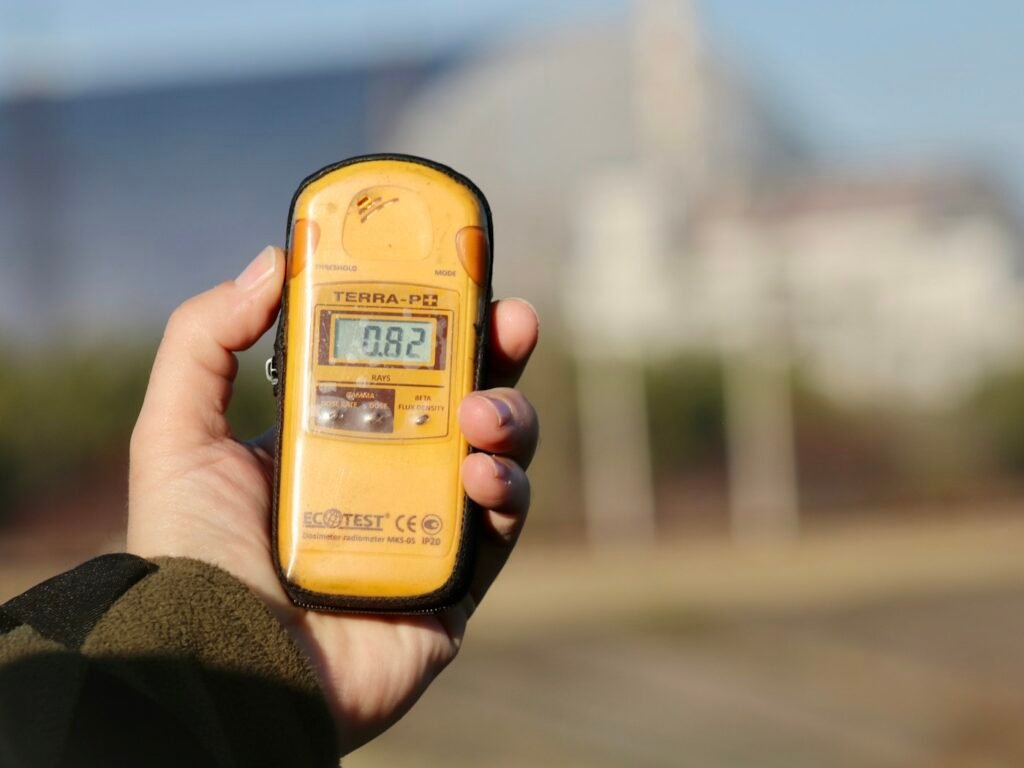
H2S monitor alarm setpoints and bump test frequency are set by exposure limits and manufacturer guidance: most GCC operators configure the low alarm at 5 ppm and the high alarm at 10 ppm, and require a bump test before each day’s use with a full calibration at least every six months, or sooner if a bump test fails. Hydrogen sulphide is lethal at concentrations around 100 ppm and above and deadens the sense of smell well below that, so a personal single-gas monitor is mandatory PPE in sour gas, refinery, sewage and tank-cleaning environments across Saudi Arabia, the UAE and Qatar.
Why H2S monitoring is a legal and contractual requirement in the GCC
Saudi Aramco classifies many of its gas plants and oil fields as sour and requires personal H2S monitors for everyone entering designated H2S areas under its Construction Safety Manual and General Instructions on H2S. ADNOC’s HSE standards contain similar requirements for its onshore and offshore assets, and Dubai Municipality and Abu Dhabi OSHAD extend the principle to wastewater, drainage and confined-space work in the cities. Many contracts also require workers to hold a current H2S awareness certificate alongside the monitor and an escape set.
Exposure limits and alarm setpoints explained
Alarm levels are derived from occupational exposure limits. The commonly referenced values are:
| Reference | Value | Meaning |
|---|---|---|
| ACGIH TLV-TWA | 1 ppm | 8-hour time-weighted average |
| ACGIH TLV-STEL | 5 ppm | 15-minute short-term exposure limit |
| OSHA ceiling | 20 ppm | Not to be exceeded at any time (US general industry) |
| NIOSH IDLH | 100 ppm | Immediately dangerous to life or health |
| Typical GCC low alarm | 5 ppm | Leave the area, report |
| Typical GCC high alarm | 10 ppm | Evacuate to muster point upwind, don escape set |
The monitor’s TWA and STEL alarms should be enabled in addition to the instantaneous alarms. Some operators set the low alarm at 10 ppm and high at 15 ppm; always follow the site HSE procedure and lock the configuration so workers cannot change it.
Bump test versus calibration: what each proves
A bump test is a brief exposure to a known concentration of H2S calibration gas (typically 25 ppm) to confirm the sensor responds and the alarms activate. It takes under a minute and does not adjust the reading. A calibration exposes the sensor to a certified gas and adjusts the instrument so the reading matches the cylinder value. Industry guidance from ISEA and most manufacturers recommends:
- Bump test before each day’s use, or before each shift on multi-shift sites.
- Full calibration at least every 180 days, or whenever a bump test fails, after a high-concentration exposure, after a drop or impact, or after a sensor change.
- Automated docking stations record every bump and calibration against the serial number, which satisfies Aramco and ADNOC audit requirements and saves significant supervisor time.
Using a bump-test and calibration station with in-date calibration gas is the most reliable way to prove compliance on a fleet of monitors.
Sensor life and the GCC climate
Electrochemical H2S sensors typically last two to three years, but sustained temperatures above 40 degrees Celsius and very low humidity in desert summers reduce the electrolyte life. Disposable two-year monitors are sealed and simply replaced at end of life; serviceable monitors allow sensor and battery changes. Keep monitors out of direct sun in the vehicle, store them in air-conditioned rooms when off shift, and expect to replace sensors earlier than the datasheet figure in Rub al Khali and Empty Quarter operations.
Wearing and using the monitor correctly
Clip the monitor in the breathing zone, on the collar or chest, never on the belt or in a pocket. Since H2S is heavier than air it collects in low points: pits, cellars, tank bottoms and trenches, so the monitor must go in first when leaning into a space. On alarm, hold the breath, move upwind and uphill to the muster point and don the escape set. Never silence an alarm to continue working. Monitors must be worn on the outside of FR coveralls so the alarm is audible and the LEDs visible.
Common mistakes that fail audits
Monitors are issued without a bump test because the calibration gas has expired or run out. Alarm setpoints are left at the factory default rather than the site value. Workers share a single monitor across a crew. Monitors are stored in a sealed pouch during use. The device is switched on in a contaminated area so the fresh-air zero is wrong. Calibration certificates are not traceable to the cylinder lot number. Each of these is a straightforward finding during an Aramco CSM or ADNOC contractor audit.
Single-gas or multi-gas?
A single-gas H2S monitor is correct PPE for general plant access in sour areas. Confined-space entry, hot work and tank cleaning require a four-gas detector measuring oxygen, flammables, carbon monoxide and H2S, because H2S is rarely the only hazard present. Many contractors issue single-gas monitors to all personnel and multi-gas units to entrants, attendants and supervisors.
H2S monitor alarm setpoints should follow your company and client limits, not factory defaults. Confirm H2S monitor alarm setpoints during every bump test. Record any change to H2S monitor alarm setpoints and brief the crew before use.
Related guides: Confined Space Rescue Tripod and Winch Requirements: 8 Checks · Gas Detector Docking Station Benefits for Large Fleets: 8 Reasons · 4 Gas Detector Readings for Confined Space Entry: Safe Limits
Key takeaways: H2S Monitor Alarm Setpoints
- Typical GCC alarms: 5 ppm low, 10 ppm high; enable TWA and STEL alarms too.
- Bump test every day of use; calibrate every six months or after a failed bump.
- Wear in the breathing zone, outside clothing, and go in monitor-first on low points.
- Heat shortens sensor life; store monitors cool and shaded.
- Keep serial-numbered bump and calibration records for Aramco and ADNOC audits.
Al Baraka Diyar supplies disposable and serviceable personal H2S gas monitors with calibration gas and docking stations to contractors in Saudi Arabia, the UAE and India. View the full safety products catalogue or contact us with your headcount and site alarm settings for a configured, ready-to-issue batch.
H2s Monitor Alarm Setpoints: practical summary
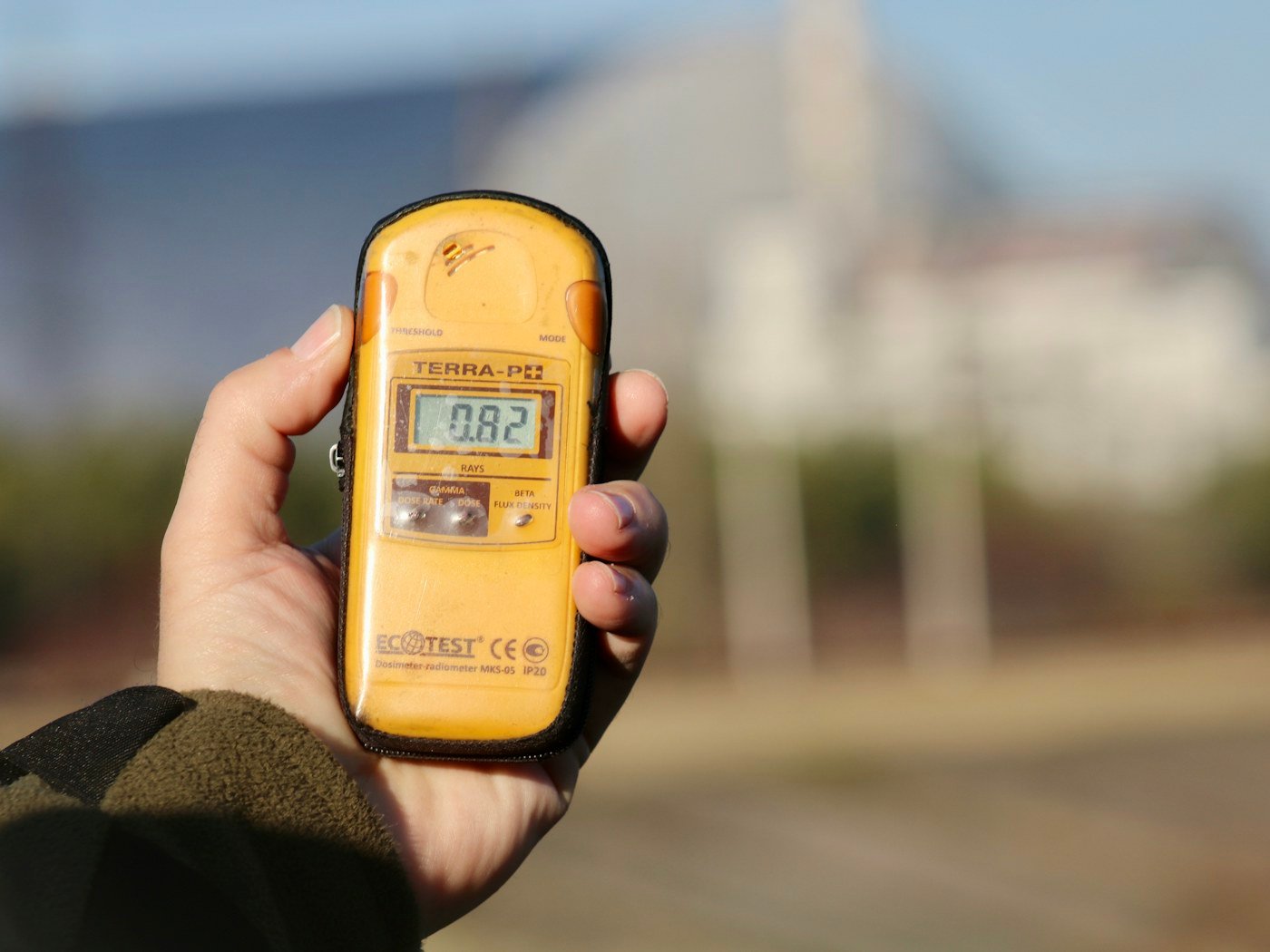
This guide to h2s monitor alarm setpoints is written for UAE work sites, and also applies to our service areas in Saudi Arabia and India. If you need help applying h2s monitor alarm setpoints on your site, our team can confirm the right option and supply certified stock from the safety products range, or you can request a quotation. For the underlying standards, see the International Organization for Standardization.
Frequently asked questions
What are the standard H2S alarm setpoints on GCC oil and gas sites?
Most Saudi Aramco, ADNOC and Qatar operator procedures set the low alarm at 5 ppm and the high alarm at 10 ppm, with TWA and STEL alarms enabled. Some sites use 10 and 15 ppm. Always configure monitors to the specific site HSE procedure and lock the settings.
How often does a personal H2S monitor need a bump test?
Before each day's use, or each shift on continuous operations. A full calibration is required at least every six months, and immediately if a bump test fails, after a high-gas exposure, a drop, or a sensor replacement. Docking stations automate and record both.
How long do H2S monitor sensors last in desert conditions?
Datasheets quote two to three years, but sustained heat above 40 degrees Celsius and very dry air shorten electrochemical sensor life. Storing monitors in air-conditioned rooms off shift and out of direct sun in vehicles helps. Plan sensor or disposable unit replacement earlier than the nominal figure.