

Gas detection & confined space · Premium & specialised · HSE-mandated
Multi-Gas Detectors (O2 / LEL / CO / H2S) in UAE, KSA & India
Multi-gas detectors are portable instruments that simultaneously measure oxygen, flammable gas (LEL), carbon monoxide and hydrogen sulphide, alarming when any reading leaves safe limits before confined-space entry or during hot work.
Site quantities · CE / ANSI certificates · Delivery across UAE, KSA & India
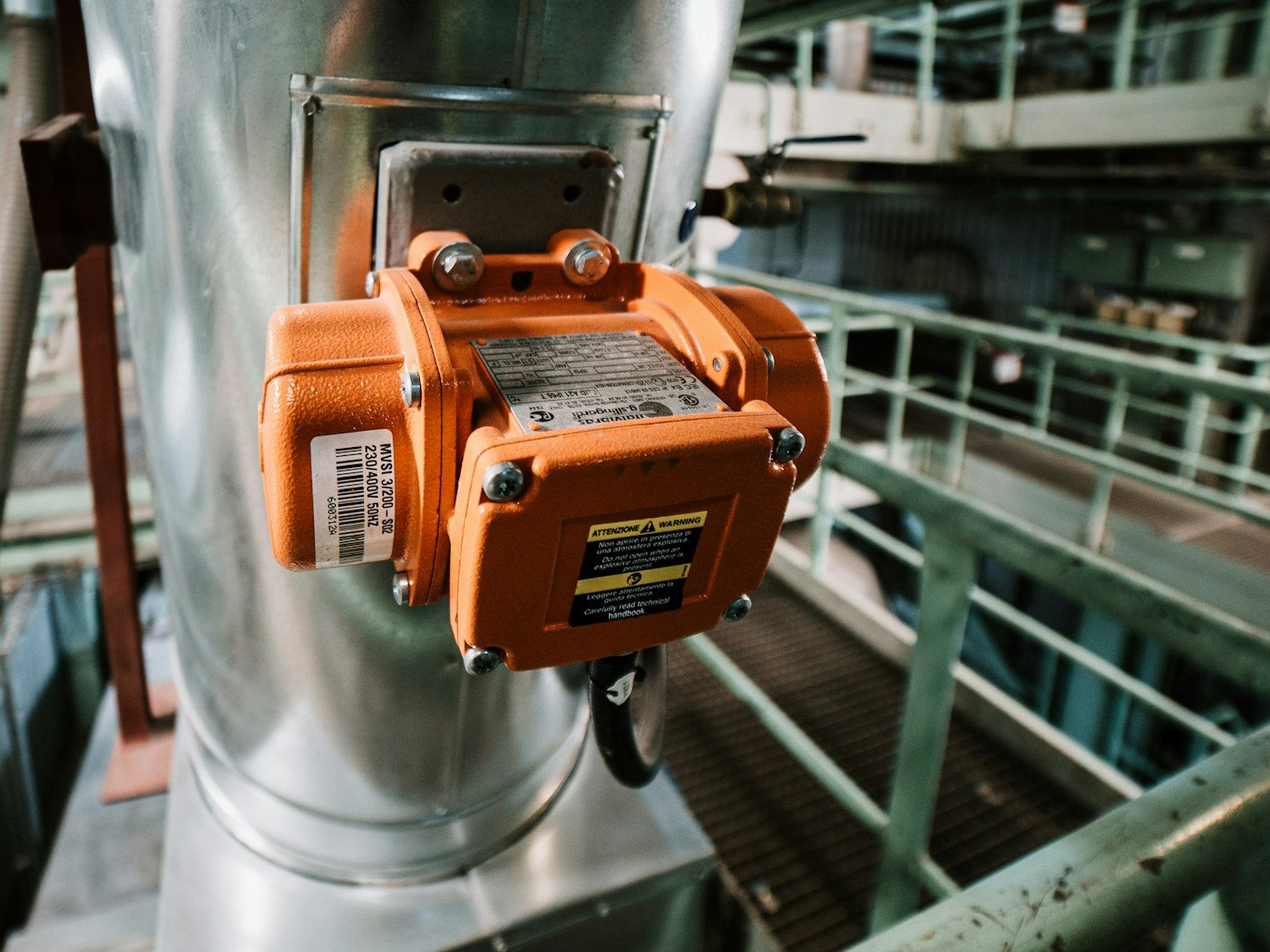
A portable multi-gas detector, usually a four-gas unit, combines an electrochemical oxygen sensor, a catalytic bead or infrared LEL sensor for flammable gases, and toxic sensors for carbon monoxide and hydrogen sulphide. Readings are shown on a backlit display with audible, visual and vibrating alarms. Pumped versions draw a sample through tubing so a tank, vessel or manhole can be tested from outside before anyone enters.
Confined-space entry teams, standby men, fire watchers, HSE officers and maintenance crews across the Gulf rely on multi-gas detectors for permit-to-work gas testing on ADNOC, Saudi Aramco, DEWA and municipal works. Al Baraka Diyar supplies site quantities of diffusion and pumped 4-gas and 5-gas detectors across the UAE (Ajman, Dubai, Abu Dhabi), Saudi Arabia and India, with calibration gas, sampling probes and docking stations.
Key features
- Four sensors in one unit: O2, LEL (CH4 or pentane), CO and H2S; optional fifth sensor for VOC, SO2 or NH3
- ATEX, IECEx and UL intrinsically safe for Zone 0 and Zone 1 hazardous areas
- Integral or clip-on sample pump with up to 30 m tubing for remote pre-entry testing
- Backlit LCD showing all gases, peak and TWA / STEL values; 95 dB alarm with LEDs and vibration
- Rugged IP67 housing with rubber over-mould for drop resistance on rig floors and sites
- Rechargeable lithium-ion battery giving 12 to 18 hours; data logging and docking-station compatible
Technical specifications
| Certification | ATEX II 1G Ex ia IIC T4; IECEx; UL / CSA Class I Div 1; IP67 |
|---|---|
| Gases | O2 0–30 % vol; LEL 0–100 %; CO 0–1,000 ppm; H2S 0–100 or 0–200 ppm |
| Sensor types | Electrochemical (O2, CO, H2S); catalytic bead or infrared (LEL) |
| Typical alarms | O2 19.5 % / 23.5 %; LEL 10 % / 20 %; CO 35 / 200 ppm; H2S 5 / 10 ppm |
| Sampling | Diffusion or motorised pump; pumped units up to 30 m hose |
| Battery | Li-ion rechargeable, 12–18 h; some models alkaline option |
| Operating temperature | -20 °C to +50 °C (some to +55 °C) |
| Calibration interval | Typically 180 days; bump test before each use |
| Packaging | Individually boxed with charger; cartons of 5 or 10 |
Variants available
- Diffusion 4-gas detector (O2, LEL, CO, H2S)
- Pumped 4-gas detector with sampling hose and probe
- 5-gas detector with PID for VOCs
- 5-gas detector with SO2 sensor for refineries
- Infrared LEL version for low-oxygen or silicone-exposed atmospheres
- Confined-space kit: pumped detector, hose, float probe, case and calibration gas
Brands we supply
Applications across GCC sites
confined-space entry and hot-work gas testing on ADNOC and Saudi Aramco permits
tank, vessel and column entry during turnarounds in Ruwais, Jubail and Yanbu
manhole, wet well and digester entry for Dubai Municipality and ADSSC
deep excavation, tunnel and shaft atmosphere monitoring
ship tank and ballast space entry at Jebel Ali and Dammam ports
boiler, silo and kiln inspection in cement, steel and power plants
What site HSE teams expect
Confined-space procedures under Abu Dhabi OSHAD, Dubai Municipality code of construction safety practice, ADNOC HSE and Saudi Aramco CSM Chapter on confined spaces all require atmosphere testing for oxygen, flammables and toxic gases before entry and continuously during occupation. Authorised gas testers typically use pumped multi-gas detectors for pre-entry testing at multiple levels and diffusion units worn by entrants. Instruments must be certified to ATEX or IECEx for the area classification.
Operators commonly require a bump test before each shift and full calibration at the manufacturer's interval, typically every six months, with records available for audit. Sensors are replaced at end of life, usually two to three years for electrochemical and LEL cells. Al Baraka Diyar provides detectors with factory calibration certificates and intrinsic-safety certificates and can supply docking stations to automate bump-test and calibration logs.
How to choose
- Choose a pumped unit for pre-entry testing of tanks and manholes; diffusion units for entrants and fire watch
- Select infrared LEL if the atmosphere may be oxygen-deficient or contain sensor poisons such as silicones
- Add a PID sensor where benzene or other VOCs are a concern on refinery and tank-farm work
- Standardise on one brand across the fleet so docking stations and calibration gas are interchangeable
Frequently asked questions
What are the standard alarm limits on a 4-gas detector in the GCC?
Typical settings are oxygen 19.5 % low and 23.5 % high, LEL 10 % low and 20 % high, CO 35 ppm and H2S 5 ppm low with 10 ppm high. Saudi Aramco and ADNOC confined-space procedures may specify tighter limits, so detectors should be configured to the client's standard before issue.
Do I need a pumped multi-gas detector for confined-space entry?
For pre-entry testing of a vessel, tank or manhole from outside, a pumped detector with sampling hose is normally required so the atmosphere can be tested at top, middle and bottom. Entrants then wear diffusion detectors continuously. Many sites buy both types or use a clip-on pump accessory.
How often does a multi-gas detector need calibration?
Most manufacturers specify full calibration every 180 days with a bump test before each day's use. Some operators, including on Aramco sites, require monthly calibration. Docking stations automate both and keep the records that HSE auditors ask for.
How long do the sensors last?
Electrochemical O2, CO and H2S sensors typically last two to three years; catalytic LEL sensors three to five years; infrared LEL sensors longer. Exposure to high gas concentrations, silicones or extreme heat shortens life. Detectors flag failed sensors at bump test, and replacement sensors are available for most models.
What affects the price of a 4-gas detector and can you supply in bulk?
Price is driven by pump versus diffusion, infrared versus catalytic LEL, additional sensors such as PID, and docking compatibility. Al Baraka Diyar supplies bulk quantities of detectors, calibration gas and docking stations across the UAE, with service to Saudi Arabia and India, with pre-configuration to client alarm settings on request.
Quote for Multi-Gas Detectors (O2 / LEL / CO / H2S)
Tell us quantity, sizes and delivery location. We reply with an itemised quotation and certificates within one working day.
Related safety products
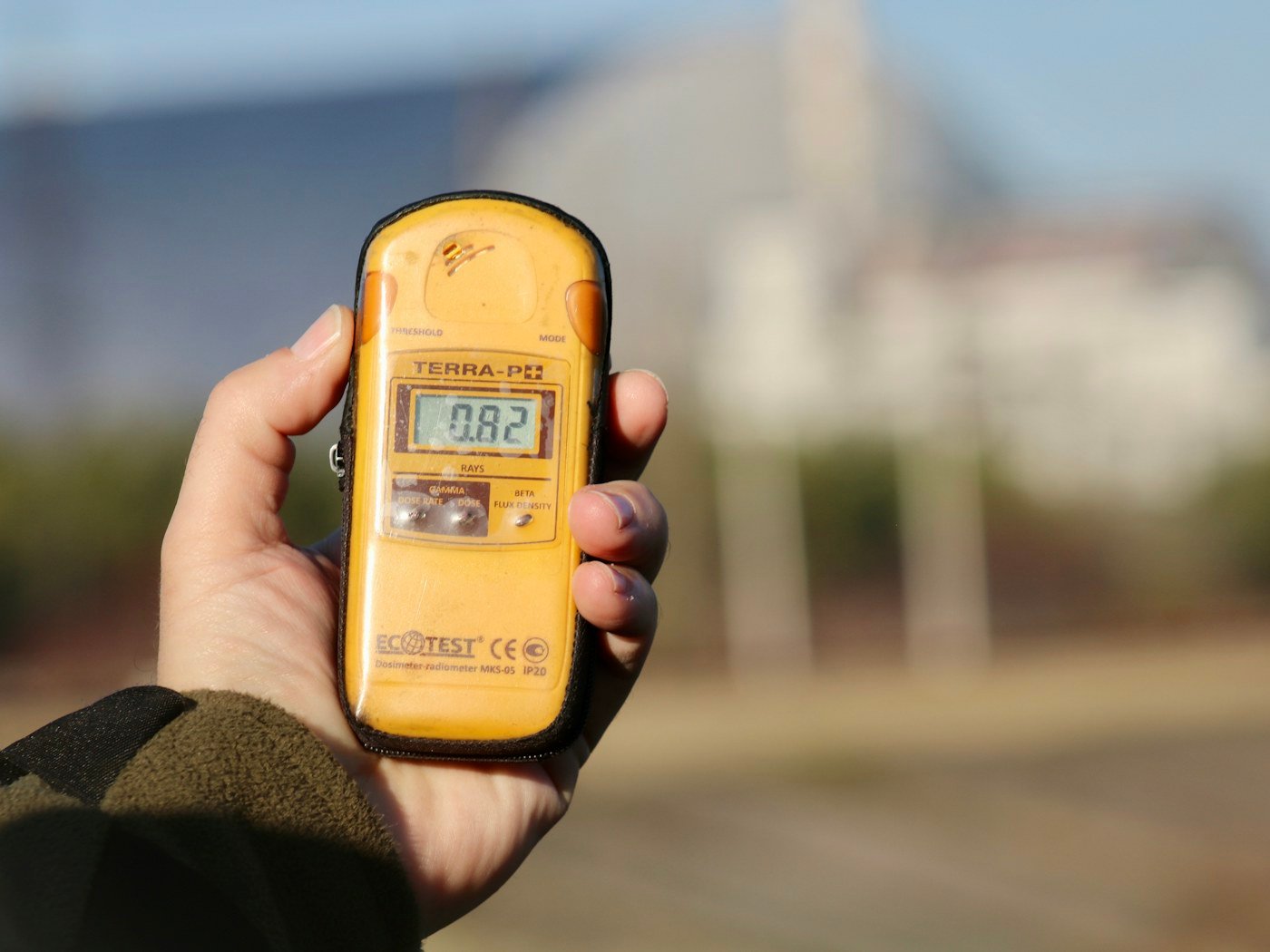
Personal H2S Gas Monitors
Personal H2S gas monitors are compact, body-worn single-gas detectors with an electrochemical sensor that alarm audibly, visually and by vib…
Bump-Test & Calibration Stations
Bump-test and calibration stations are docking units and calibration gas kits that verify a gas detector's sensors and alarms respond correc…
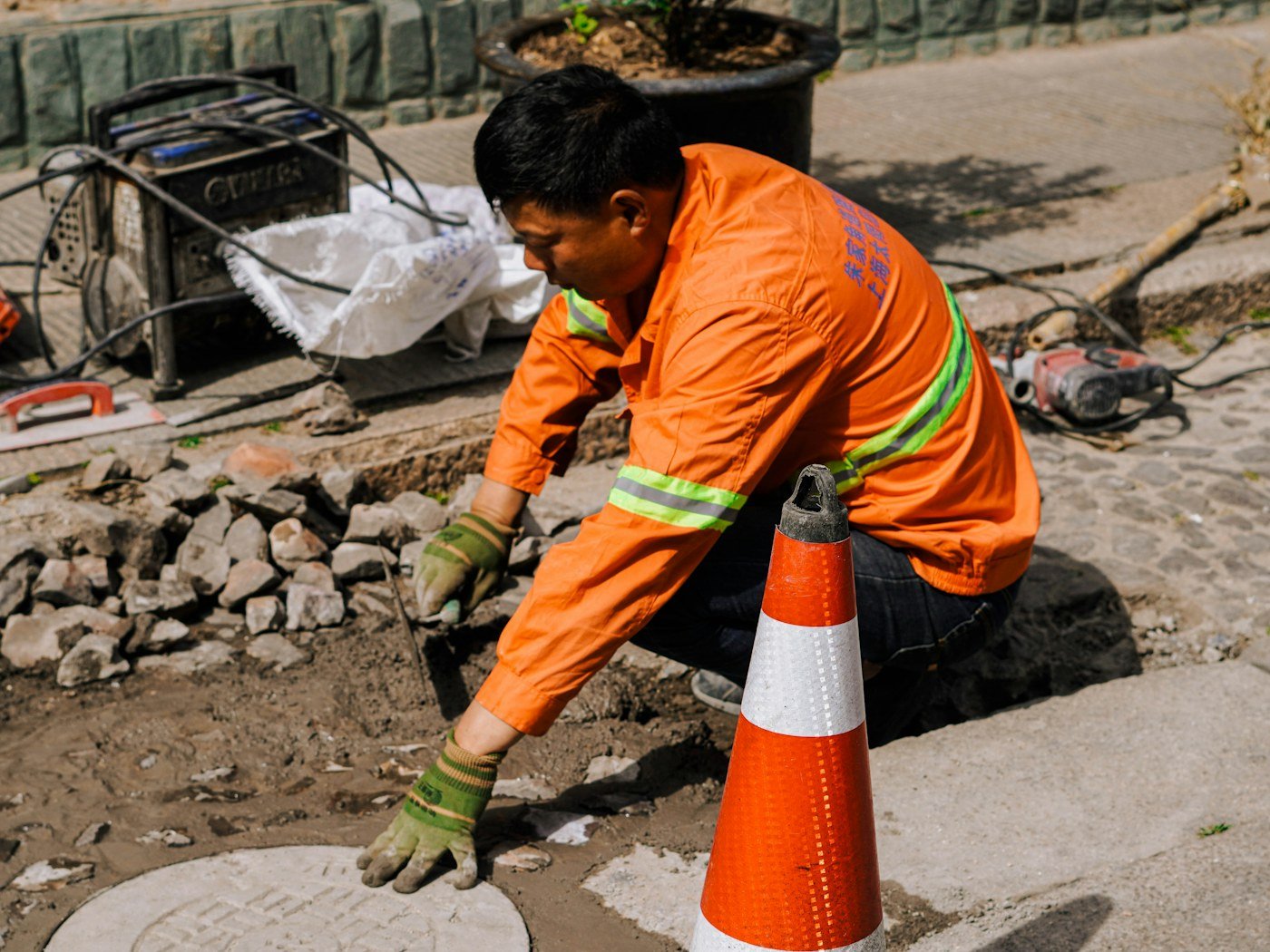
Confined-Space Entry & Rescue Kits
Confined-space entry and rescue kits are tripod-based systems combining an EN 795 anchor tripod, an EN 1496 rescue winch and an EN 360 self-…
Need Multi-Gas Detectors (O2 / LEL / CO / H2S) for your site?
Send us the quantity, sizes and delivery location, or the client standard you must meet, and we will return an itemised quotation with certificates within one working day.