
How NFPA 1971 and EN 469 structural firefighting PPE differ in construction, testing and sizing, which standard UAE Civil Defence and Saudi brigades accept, and how to maintain turnout gear in the Gulf.

A practical programme for heat stress prevention on UAE and Saudi construction sites, covering the legal midday break, WBGT monitoring, work-rest schedules, cooling PPE, hydration, acclimatisation and recognising heat exhaustion before it becomes heat stroke.

The eight lockout tagout procedure steps, the standards GCC plants follow, what belongs in a LOTO kit for electrical, valve and pneumatic isolation, and the errors that cause most energy-release incidents on Gulf sites.

Which jobs need metatarsal protection beyond a steel toe, how the EN ISO 20345 M and ASTM F2413 Mt ratings differ, internal versus external guards, and what to look for on hot GCC sites.

How the six European chemical-suit types differ, when a Type 3 jet-tight suit is required over a Type 4 spray-tight suit, how to read permeation data, and heat-stress controls for the Gulf.

What a fire watch must wear and carry under NFPA 51B, Aramco and ADNOC hot-work permit rules, the standards behind welding jackets and blankets, and a checklist for a compliant fire-watch station.
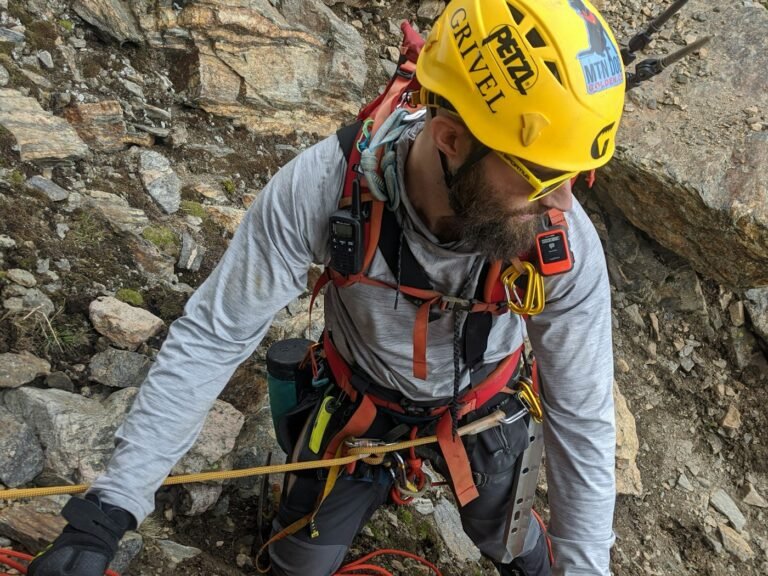
A clear explanation of the EN 397 vs EN 12492 helmet difference, why standard hard hats fall off during a fall, what ANSI Type II adds, and how to choose a height-work helmet for Gulf conditions.
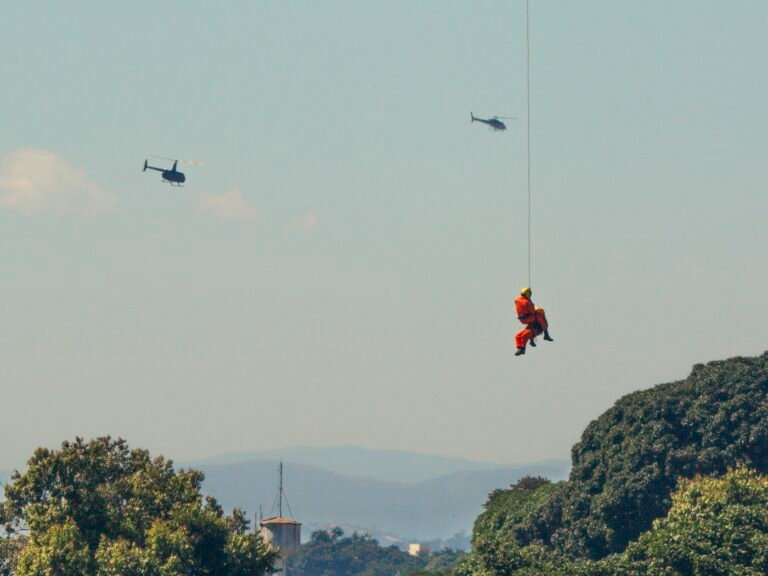
What a compliant work-at-height rescue plan must contain under OSHAD, Dubai Municipality and Aramco rules, how long a suspended worker can wait, and how to choose between descent, raising and self-rescue kits for GCC sites.

Step-by-step guidance on installing temporary horizontal lifelines on steel, roofing and precast structures in the GCC, covering anchor ratings, sag and clearance, user limits and competent-person inspection.
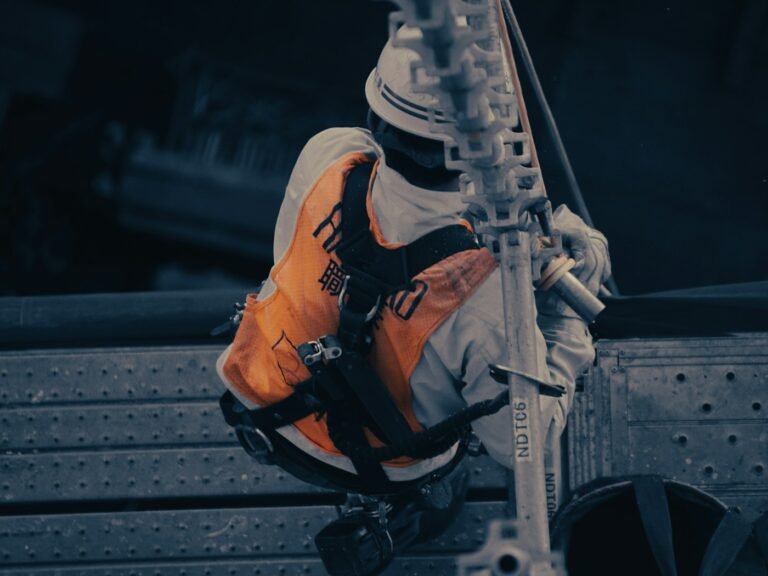
A plain comparison of self-retracting lifelines and energy-absorbing lanyards for GCC construction and oil and gas work, covering fall clearance, standards, inspection and the common selection errors that put workers at risk.

What a compliant confined-space entry and rescue set-up needs: tripod and winch standards, load limits, retrieval lifelines, attendant and rescue roles, inspection intervals and the errors that cost lives.

A side-by-side comparison of PAPR and full-face respirators: protection factors, beard and fit-test rules, heat stress, battery and filter costs, and which suits welding, cement and pharma work in Gulf conditions.

