


Fire watch PPE requirements for hot work on GCC sites include a flame-resistant coverall or leather welding jacket, a welding blanket or fire blanket rated for sparks and spatter, a charged extinguisher within reach, eye protection with shade-5 or darker lenses when observing arc work, and a radio or horn to raise the alarm. The fire watch must also stay for at least 30 minutes after the hot work ends, and under Saudi Aramco and ADNOC permits that period is commonly extended to 60 minutes.
Why the fire watch matters in the Gulf
Hot work in refineries, tank farms, shipyards and high-rise cladding works is the most common ignition source in GCC industrial fires. Dry, windy conditions carry sparks further than most workers expect, and insulation, cable trays and expanded polystyrene on façades ignite easily. UAE Civil Defence, Dubai Municipality and the Saudi Aramco Construction Safety Manual all require a dedicated, trained fire watch for hot work near combustibles, and NFPA 51B is the reference most permit systems in the region cite.
Standards explained
- NFPA 51B:2019 — fire prevention during welding, cutting and other hot work; defines the 11 m (35 ft) clearance zone and the fire-watch duration.
- EN ISO 11611:2015 — protective clothing for welding and allied processes; Class 1 (lighter) and Class 2 (heavier spatter), tested as A1 (surface ignition) or A2 (edge ignition).
- EN ISO 11612:2015 — clothing protecting against heat and flame, used for FR coveralls worn under or instead of leather.
- EN 1869:2019 — fire blankets for extinguishing small fires.
- EN 12477:2001 — welding gloves, Type A (heavier) and Type B (dexterity).
- EN 3-7 / UL 711 — portable fire extinguisher performance.
Fire watch PPE and equipment checklist
| Item | Standard | Purpose |
|---|---|---|
| Leather welding jacket or FR coverall | EN ISO 11611 Class 2 / EN ISO 11612 | Spatter and radiant heat protection |
| Welding apron and leather leggings | EN ISO 11611 | Overhead cutting and heavy spatter |
| Welding gauntlets | EN 12477 Type A | Handling hot blankets and residue |
| Welding fire blanket (silica or glass fibre) | Manufacturer-rated to 550°C to 1,000°C | Covering combustibles and catching slag |
| Fire blanket for personnel fires | EN 1869 | Smothering clothing fires |
| Extinguisher, 6 kg dry powder or 9 L foam | EN 3-7, UAE Civil Defence approved | First-response firefighting |
| Shade-5 safety spectacles or goggles | EN 169 / EN 166 | Observing arc and flame safely |
| Radio, horn and permit copy | Site procedure | Raising the alarm, confirming scope |
Choosing hot-work PPE for GCC conditions
Leather versus FR fabric
Split-leather jackets give the best spatter resistance for cutting and gouging but are hot. For light MIG and TIG work in summer, an EN ISO 11611 Class 1 FR cotton jacket over FR coveralls reduces heat load. Many Aramco contractors specify leather sleeves and apron over FR coveralls as a compromise. Never wear synthetic coveralls under any hot-work garment; they melt onto the skin.
Welding blankets
Match the blanket rating to the process. Light-duty glass-fibre blankets handle grinding sparks; heavy silica or vermiculite-coated blankets are needed under arc gouging or oxy-fuel cutting. Fit grommets so blankets can be hung as vertical screens.
Heat stress
Fire watches stand still in full PPE in direct sun. Rotate every hour in summer, provide shade and water, and apply the midday-break rule from 15 June to 15 September between 12:30 and 15:00 for outdoor work.
Common mistakes
- Assigning the fire watch a second task, which NFPA 51B prohibits.
- Ending the watch the moment the torch is switched off.
- Using an ordinary cotton coverall as “fire-resistant” clothing.
- Placing blankets on hot surfaces so they themselves become ignition sources.
- Relying on a 1 kg car extinguisher.
- Not checking drains, floor openings and the floor below for travelling sparks.
Maintenance and replacement
Inspect leather for cracking, holes and hardened spatter deposits; retire jackets once the leather splits or seams open. Welding blankets lose their rating once the coating flakes or the weave is burnt through. Check extinguisher pressure gauges monthly and the service tag annually, as UAE Civil Defence inspectors do. Store blankets dry; damp silica loses strength.
Cost factors
A complete fire-watch set (jacket, apron, gauntlets, two blankets, extinguisher, shade-5 eyewear) is a modest sum against the cost of a permit stop or a fire. Buying sets rather than individual items simplifies permit inspections because every station carries the same kit.
Fire watch PPE requirements cover flame-resistant clothing, eye protection, gloves and a ready extinguisher for every hot work permit. Brief the fire watch on the fire watch PPE requirements before work starts and again before they stand down. Keep fire watch PPE requirements on the permit itself so the issuer can verify them at the job.
Related guides: Which Fire Extinguisher for Which Fire Class? UAE Guide · NFPA 1971 vs EN 469 Turnout Gear: 7 Differences That Matter · NFPA 2112 vs EN ISO 11612: Choosing FR Coveralls in the GCC
Key takeaways: Fire Watch PPE Requirements
- Fire watch duties are full time and continue at least 30 minutes after hot work, often 60 minutes on Aramco and ADNOC sites.
- Specify EN ISO 11611 Class 2 leather for cutting and gouging, Class 1 or FR fabric for lighter welding.
- Rate welding blankets to the process; light blankets fail under gouging.
- Keep a Civil Defence approved extinguisher within reach, not across the bay.
- Plan for heat stress; the fire watch is the person standing still in the sun.
Al Baraka Diyar supplies complete hot-work PPE and fire-watch sets alongside fire extinguishers and blankets and its full safety products range for the UAE, Saudi Arabia and India. To put together permit-ready fire-watch stations, contact us.
Fire Watch Ppe Requirements: practical summary
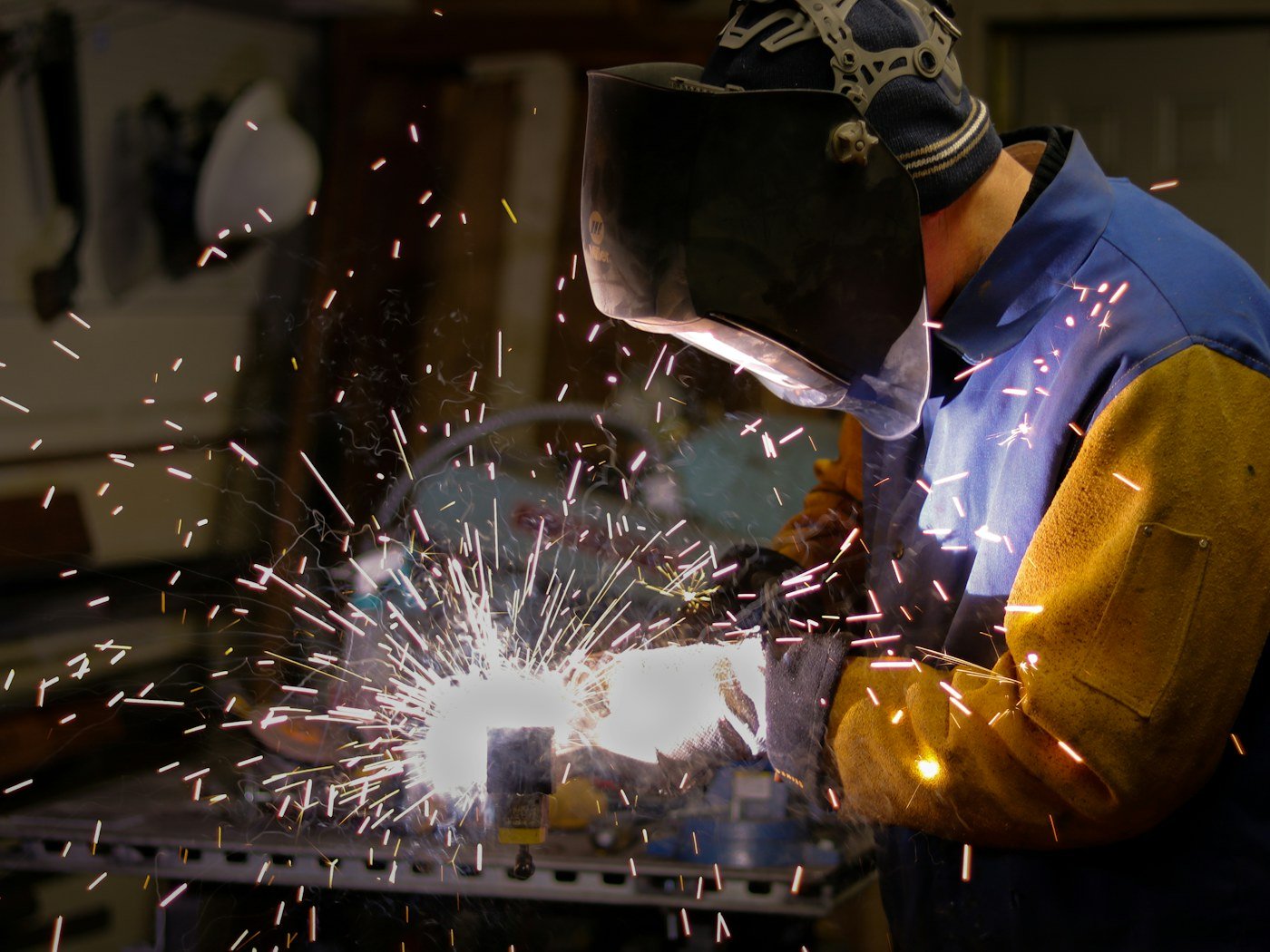
This guide to fire watch ppe requirements is written for UAE work sites, and also applies to our service areas in Saudi Arabia and India. If you need help applying fire watch ppe requirements on your site, our team can confirm the right option and supply certified stock from the safety products range, or you can request a quotation. For the underlying standards, see the International Organization for Standardization.
Frequently asked questions
How long must a fire watch remain after hot work finishes?
NFPA 51B requires at least 30 minutes of continuous monitoring after the work stops, followed by a further check. Saudi Aramco and ADNOC hot-work permits commonly extend the watch to 60 minutes, and some high-hazard areas require periodic checks for several hours.
Can a fire watch wear normal cotton coveralls?
No. Untreated cotton ignites and keeps burning. The fire watch should wear flame-resistant clothing to EN ISO 11612 or a welding jacket to EN ISO 11611, with no synthetic garments underneath. Leather sleeves and an apron add protection where spatter is heavy.
What is the difference between a welding blanket and a fire blanket?
A welding blanket protects surfaces from sparks and slag and is rated by temperature and duty. A fire blanket to EN 1869 is for smothering a small fire, including a person's clothing. A fire-watch station should carry both.