

Body protection & workwear · Premium & specialised · HSE-mandated
Flame-Resistant FR Coveralls in UAE, KSA & India
FR coveralls are flame-resistant one-piece garments made from inherent aramid or treated cotton fabrics that self-extinguish and do not melt, protecting workers from flash fire and heat on oil, gas and petrochemical sites.
Site quantities · CE / ANSI certificates · Delivery across UAE, KSA & India
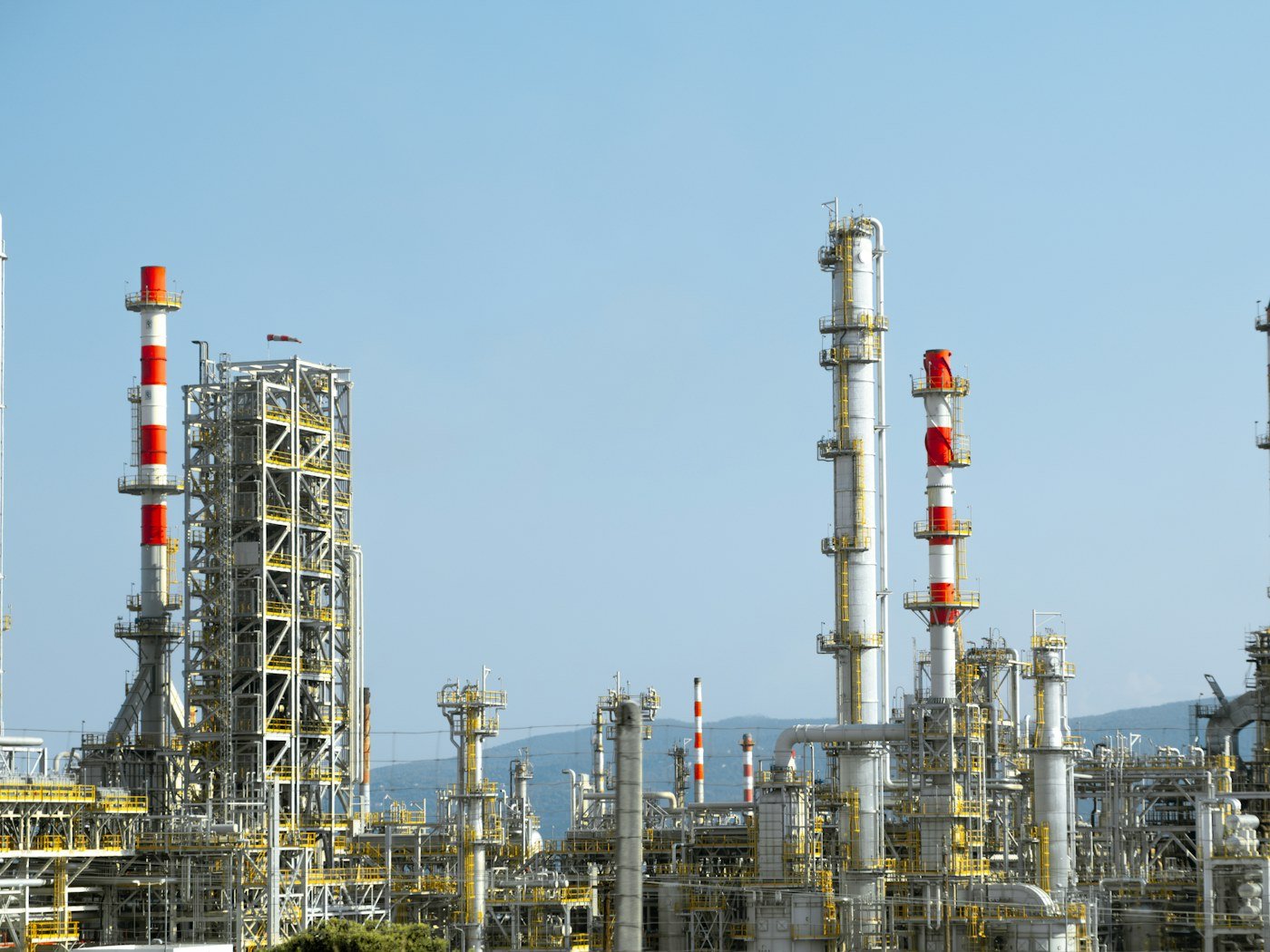
Flame-resistant coveralls are the mandatory daily uniform on hydrocarbon facilities across the Gulf. Fabrics are either inherently flame-resistant, such as Nomex or modacrylic blends whose fibres cannot burn, or flame-retardant treated cotton such as Proban and Pyrovatex, which carries the treatment in the fibre for the garment's life. Certification to NFPA 2112 (flash fire) or EN ISO 11612 (heat and flame) confirms the garment self-extinguishes and limits predicted body burn in a three-second flash fire exposure.
ADNOC, Saudi Aramco, QatarEnergy, refineries, petrochemical plants and the contractors serving them specify FR coveralls for every worker inside process areas. Al Baraka Diyar supplies treated cotton and inherent FR coveralls with reflective tape and company branding from Ajman to Abu Dhabi, Dubai and Ruwais, and to contractors in Saudi Arabia and India, with fabric test reports and garment certificates included for client approval.
Key features
- Inherent aramid blend (Nomex IIIA type, 150–200 gsm) or FR-treated cotton (260–350 gsm)
- Self-extinguishing fabric that does not melt or drip onto the skin
- FR sewing thread, FR reflective tape and concealed brass zip or FR snap closures
- Arc rating (ATPV) typically 8 to 12 cal/cm² on 260–350 gsm fabrics
- Action back, elasticated waist and gusseted crotch for mobility in heat
- Flame-resistance retained for the garment life or a stated number of washes
Technical specifications
| Standards | NFPA 2112 (flash fire); EN ISO 11612 (A1, B1, C1 minimum); EN ISO 11611 for welding grades |
|---|---|
| Arc protection | NFPA 70E / IEC 61482-2 (ATPV 8–12 cal/cm² typical) |
| Antistatic | EN 1149-5 where specified |
| Fabric options | Inherent aramid blend; FR-treated 100% cotton; 88/12 cotton-nylon |
| Fabric weight | 150 gsm (aramid) to 350 gsm (treated cotton) |
| Reflective tape | FR silver or yellow/silver 50 mm tape, EN ISO 20471 type |
| Sizes | S to 5XL |
| Colours | Royal blue, navy, orange, red, khaki; client-specific colours available |
| Packaging | Individually bagged, 10 to 20 per carton |
Variants available
- FR-treated cotton coverall with reflective tape (NFPA 2112)
- Inherent aramid coverall (EN ISO 11612 / NFPA 2112)
- Lightweight 150 gsm aramid summer coverall
- FR coverall with arc rating for electrical and process work
- Two-piece FR shirt and trouser set
- Hi-vis orange FR coverall with yellow reflective tape
Brands we supply
Applications across GCC sites
ADNOC, Aramco and QatarEnergy process areas, drilling rigs and gas plants
turnaround and maintenance crews
power generation, substations and gas distribution
hot work and fabrication near hydrocarbon facilities
fuel tanker drivers and LPG handling
foundries and furnace areas with radiant heat
What site HSE teams expect
ADNOC HSE standards and Saudi Aramco CSM both require flame-resistant clothing for personnel in hydrocarbon process areas, drilling and well services, usually specifying NFPA 2112 certification or EN ISO 11612 with minimum A1, B1, C1 performance, plus EN 1149-5 antistatic for Zone 1 and 2 areas. Many operators also require an arc rating under NFPA 70E for electrical work. In the UAE, OSHAD and Dubai Municipality defer to client specifications for FR clothing on industrial sites.
Garments must carry a permanent label showing the standard, performance codes, fabric composition, care instructions and maximum wash cycles for treated fabrics. Clients typically ask for the fabric test report, the garment certificate from a notified body or UL, and a sample for approval before bulk production. FR coveralls are commonly replaced every twelve to eighteen months or when fabric thins, tears, or treated cotton exceeds its rated wash count; laundering must avoid chlorine bleach and fabric softener.
How to choose
- Choose inherent aramid for lighter weight and permanent protection; choose treated cotton for lower cost
- Check the client specification for NFPA 2112, EN ISO 11612 codes and antistatic requirements
- Specify an arc rating (ATPV) if workers perform switching or electrical tasks
- Confirm reflective tape colour and placement against the client HSE standard
Frequently asked questions
What is the difference between NFPA 2112 and EN ISO 11612?
NFPA 2112 is the US flash-fire standard requiring under 50% predicted body burn in a 3-second exposure. EN ISO 11612 is the European heat and flame standard with performance codes A to F. ADNOC and Aramco generally accept either, with NFPA 2112 most commonly named.
Are inherent FR coveralls better than treated cotton?
Inherent aramid fabrics keep flame resistance permanently and are lighter, which suits Gulf heat, but cost more. FR-treated cotton is heavier and more economical, with protection guaranteed for a stated wash count. Both can meet NFPA 2112 and EN ISO 11612 when properly certified.
How long do FR coveralls last?
With correct laundering, inherent aramid coveralls typically last two to three years and treated cotton twelve to eighteen months. Replace when fabric is thin, torn, contaminated with flammable residue or when treated garments pass their rated wash cycles. Bleach and softener destroy FR treatment.
Do ADNOC and Aramco sites require FR coveralls for all workers?
Both operators require FR clothing for anyone in hydrocarbon process areas, drilling sites and most maintenance work, and contractors must present certificates for approval. Office and camp areas are usually exempt. Check the specific site HSE requirement for colour and tape rules.
Can you supply branded FR coveralls in bulk to the UAE and Saudi Arabia?
Yes. Al Baraka Diyar supplies FR coveralls with embroidered logos and client-specified tape from Ajman, with stock colours available in days and custom runs of 100 pieces or more in three to five weeks. Fabric test reports and certificates are included for ADNOC and Aramco approval.
Quote for FR Coveralls (NFPA 2112 / EN ISO 11612)
Tell us quantity, sizes and delivery location. We reply with an itemised quotation and certificates within one working day.
Related safety products
Arc-Flash Protection Kits
An arc-flash kit is a matched set of arc-rated clothing, hood or face shield, insulated gloves and accessories that protects electrical work…
Hot-Work PPE & Fire-Watch Sets
Hot-work PPE and fire-watch sets are the protective clothing, welding blankets and fire-watch equipment required under a hot-work permit for…

Cotton & Poly Coveralls
Cotton and polycotton coveralls are one-piece work garments made from woven cotton or cotton-polyester fabric that protect skin and clothing…
Need FR Coveralls (NFPA 2112 / EN ISO 11612) for your site?
Send us the quantity, sizes and delivery location, or the client standard you must meet, and we will return an itemised quotation with certificates within one working day.