

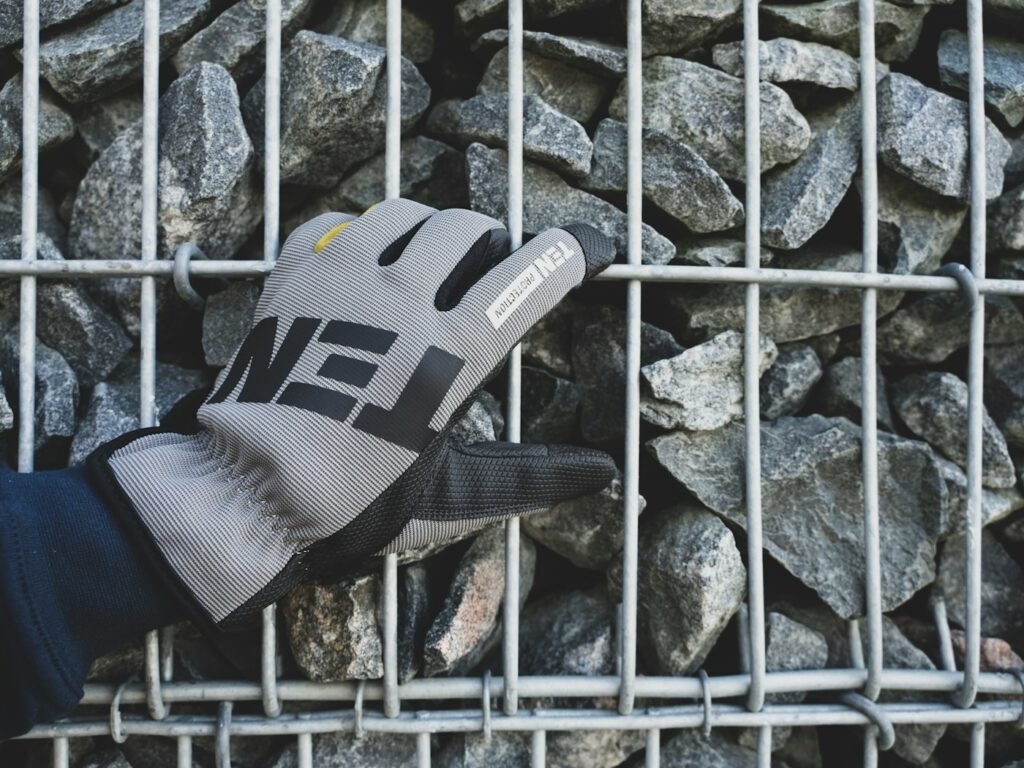
Cut resistant glove levels explained simply: under EN 388:2016 a glove is rated A (lowest) to F (highest) using the ISO 13997 straight-blade test, and under ANSI/ISEA 105-2016 it is rated A1 to A9 using the same test method but different thresholds. Level B or A3 covers most general construction handling, level D or A4 to A5 covers sheet metal and glass, and level E or F is reserved for blade-intensive work such as cladding, recycling and steel coil handling.
Why cut levels matter on GCC sites
Lacerations are the leading hand injury on fabrication yards, cladding works and glazing works across the UAE and Saudi Arabia. Many sites have moved to a cut level B or C minimum for all trades handling metal, following the lead of operators such as ADNOC and Saudi Aramco whose HSE standards require hand protection matched to a documented hazard assessment. Over-specifying, however, has its own cost: a level F glove is thicker, hotter and more expensive, and workers remove gloves they find uncomfortable. The goal is the lowest level that controls the hazard.
The two test methods
EN 388:2016 (Europe and most GCC tenders)
The older Coup test, recorded as the second digit (1 to 5), uses a rotating circular blade under 5 N load. It is unreliable for high-performance yarns containing glass or steel because the fibres blunt the blade. The 2016 revision therefore added the ISO 13997 test, recorded as a letter: A (2 N), B (5 N), C (10 N), D (15 N), E (22 N), F (30 N). The letter is the figure to use for any glove above basic cotton or nylon.
ANSI/ISEA 105-2016 (North America, US-led sites)
Uses the same ISO 13997 method (ASTM F2992-15) but reports in grams of load across nine levels: A1 (200 g) to A9 (6000 g). The finer bands at the top help differentiate specialist gloves.
Level equivalence and typical applications
| EN 388 level | ISO 13997 load | Approx. ANSI level | Typical tasks |
|---|---|---|---|
| A | 2 N | A1 | Light assembly, packaging |
| B | 5 N | A2 to A3 | General construction, material handling |
| C | 10 N | A3 to A4 | Ducting, light sheet metal, cable pulling |
| D | 15 N | A4 to A5 | Glass, cladding panels, HVAC fabrication |
| E | 22 N | A6 to A7 | Steel coil, blade changing, recycling |
| F | 30 N | A8 to A9 | Heavy metal stamping, meat and glass industries |
Equivalence is approximate because the standards use different thresholds and ANSI bands are narrower at the upper end. For tender compliance quote the exact standard the specification names.
How cut-resistant yarns work
Modern cut gloves use engineered yarns rather than thick leather. High-performance polyethylene (HPPE, sold under names such as Dyneema) gives cool, lightweight protection to around level C or D. Adding glass fibre or stainless-steel strands raises the level to D, E or F but increases stiffness. Aramid (Kevlar) adds heat resistance and is used in welding gauntlets and hot-work gloves. The liner is then coated, usually with PU for dry grip or nitrile foam for oily conditions, which is why the cut level and the coating must both match the task; a level D liner with a PU palm is still a poor choice for oily pipe work.
Choosing the right level: a practical method
- Map the sharp edges in each task: sheared metal, glass, blades, banding straps, cut cable ends.
- Assess force and motion. Sliding a hand along an edge under load (carrying a cladding panel) needs a higher level than static contact.
- Start at level B for general work and raise it only where the hazard map justifies it.
- Check dexterity. Ask workers to perform the task in trial gloves; a level D glove in 13 gauge is usually acceptable, a level F in 7 gauge often is not.
- Check the coating and the EN 388 abrasion digit; cut gloves wear through quickly if abrasion is level 2 or lower.
- Add impact protection (the P marking) for oilfield handling and lifting operations where crush and pinch injuries dominate.
Common mistakes
The most common error is trusting the old Coup digit for glass-fibre gloves, which can show 5 while the ISO letter is only B. The second is assuming cut resistance equals puncture resistance; needles and wire ends pass between yarns regardless of cut level. The third is washing HPPE gloves at high temperature, which shrinks and weakens the fibre; most are rated for 40 °C washes. Finally, cut gloves are often kept in use after the coating has worn away, at which point the exposed yarn snags and the cut level is compromised.
Heat and comfort in the Gulf
HPPE conducts heat away from the hand and is noticeably cooler than aramid or leather, which makes it the preferred base yarn for GCC summers. Choose 13-gauge or finer liners and palm-only coatings where possible, rotate pairs and allow gloves to dry in shade. Lighter gloves also encourage wear during the hot morning and late-afternoon shifts around the UAE midday break.
With cut resistant glove levels explained, buyers can match level to the blade or sheet risk. Keep cut resistant glove levels explained in your PPE matrix. Training with cut resistant glove levels explained reduces wrong issue.
Related guides: Chemical Resistant Glove Selection Chart: 5 Polymers Compared · Electrical Insulating Glove Class and Testing Requirements UAE · How to Choose Welding Gloves for MIG, TIG and Stick: 5 Rules
Key takeaways: Cut Resistant Glove Levels Explained
- Use the EN 388 letter (A to F) or ANSI level (A1 to A9), not the old Coup digit, for engineered yarns.
- Level B suits most general construction; D for glass and sheet metal; E and F for blade-intensive work.
- Match the coating to the task as carefully as the cut level.
- Cut resistance is not puncture resistance.
- HPPE gloves are cooler and better accepted in Gulf conditions.
Al Baraka Diyar supplies cut-resistant gloves from level B to F with PU or nitrile coatings, plus general coated work gloves and the full catalogue of safety products for UAE, KSA and India. Contact us for samples in your required level and size range.
Cut Resistant Glove Levels Explained: practical summary
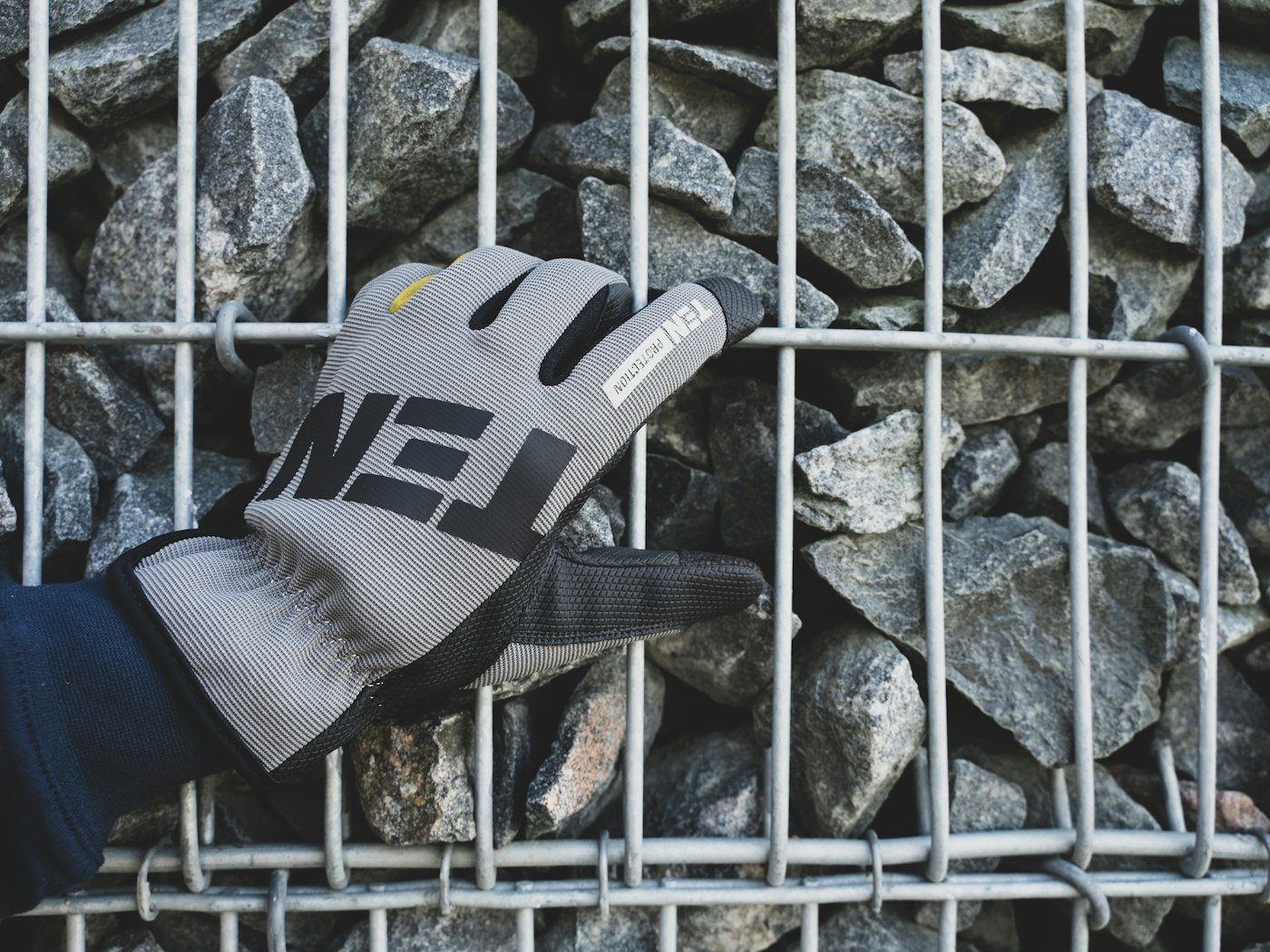
This guide to cut resistant glove levels explained is written for UAE work sites, and also applies to our service areas in Saudi Arabia and India. If you need help applying cut resistant glove levels explained on your site, our team can confirm the right option and supply certified stock from the safety products range, or you can request a quotation. For the underlying standards, see the International Organization for Standardization.
Frequently asked questions
What cut level glove do I need for construction?
For general construction handling, EN 388 level B (ANSI A2 to A3) is the usual minimum. Trades handling sheet metal, glass or cladding should use level C or D. Only blade-intensive tasks justify level E or F.
Is ANSI A4 the same as EN 388 level D?
Roughly. ANSI A4 covers 1500 to 2199 g, which overlaps EN level D at 15 N (about 1530 g). Equivalence is approximate because thresholds differ, so quote the standard your tender specifies.
Can cut-resistant gloves be washed?
Most HPPE and glass-fibre gloves can be washed at up to 40 °C with mild detergent and air dried. Avoid bleach, tumble drying and high temperatures, which weaken the yarn. Retire gloves once the coating is worn through.