


To choose a safety helmet for construction in UAE, start with a shell certified to EN 397 or ANSI/ISEA Z89.1, confirm it carries the optional high-temperature (+150 °C) and very-low-temperature markings, and match the suspension and chin strap to the work at hand. A helmet that is comfortable in a European winter can soften, crack or slip in a Gulf summer where shell temperatures on an open site can exceed 60 °C, so climate performance is as important as impact rating. Al Baraka Diyar supplies helmets that meet these criteria for contractors across the UAE, with service to Saudi Arabia and India, and this guide explains the seven checks worth making before an order is placed.
Why helmet selection matters on GCC construction sites
Head injuries from falling tools, dropped fixings and low steelwork remain among the most common recordable incidents on high-rise and infrastructure works. Dubai Municipality’s Code of Construction Safety Practice and the Abu Dhabi OSHAD-SF Code of Practice on personal protective equipment both require employers to select PPE on the basis of a documented risk assessment, not on habit or lowest price. Saudi Aramco’s Construction Safety Manual (CSM) goes further on Kingdom sites, specifying approved helmet types and requiring chin straps when working at height. A helmet that fails during an audit can stop work on a whole section of a job, so the paperwork behind the shell matters as much as the shell.
Standards explained: EN 397, ANSI Z89.1 and EN 12492
EN 397 is the European industrial helmet standard and the one most UAE consultants ask for. It tests shock absorption with a 5 kg striker from one metre, penetration resistance, flame resistance and chin-strap release between 150 N and 250 N. Optional markings include -30 °C or -40 °C for cold, +150 °C for heat, 440 V a.c. for electrical insulation, LD for lateral deformation and MM for molten metal splash.
ANSI/ISEA Z89.1 is common on American-specified oil and gas works. Type I helmets protect against top impact only; Type II add lateral impact. Class G (general) is tested to 2,200 V, Class E (electrical) to 20,000 V, and Class C (conductive) offers no electrical protection, which usually means a vented shell.
EN 12492 mountaineering-style helmets are increasingly seen on rope-access and scaffolding crews because their four-point chin straps stay on during a fall. They are not a direct substitute for EN 397 unless the manufacturer certifies both, which several now do. For dedicated height work, see our height work helmets.
The seven checks before you order
| Check | What to look for | Why it matters in the Gulf |
|---|---|---|
| 1. Certification marking | EN 397 or ANSI Z89.1 moulded into the shell, with notified body and year | Consultants and OSHAD auditors check the shell, not the brochure |
| 2. Heat marking | +150 °C optional test | Shells stored in vehicles or on steel decks reach extreme temperatures |
| 3. UV stabilisation | HDPE or ABS with UV inhibitor; manufacturer states service life | UV degradation is the main cause of brittle shells in the GCC |
| 4. Suspension | Ratchet adjustment, 4- or 6-point textile cradle, sweatband | Six points spread load and improve airflow for long shifts |
| 5. Chin strap | Two- or four-point, 150–250 N release | Mandatory at height under Aramco CSM and most UAE main contractors |
| 6. Ventilation vs electrical | Vented shells cannot carry 440 V a.c. or Class E rating | Choose by task: cooler for civil works, unvented for electrical |
| 7. Accessory slots | 30 mm universal slots for ear muffs, visors and lamps | Integrated PPE improves wear compliance |
Colour coding and site identification
Colour conventions vary by client, but a typical UAE main-contractor scheme uses white for engineers and supervisors, yellow for general operatives, blue for electricians and technical trades, green for HSE staff and red for fire wardens. Visitors are often issued white or yellow with a visitor sticker. Always confirm the scheme in the site HSE plan before ordering, because re-issuing hundreds of helmets to match a client colour code is an avoidable expense. Pair helmets with high-visibility vests in the same colour logic so roles are readable from a distance.
Common mistakes we see on site
- Painting or applying solvent-based stickers, which can attack the shell polymer and void certification.
- Wearing a baseball cap or hood under the suspension, which lifts the shell and defeats the impact clearance.
- Storing helmets on rear parcel shelves where cabin temperatures exceed 70 °C.
- Keeping helmets past the manufacturer’s stated life, usually two to five years from date of manufacture, which is moulded under the peak.
- Issuing one helmet type for everyone, including electricians who need an unvented 440 V a.c. shell.
Inspection, replacement and the summer rule
Inspect shells daily for cracks, chalking, discolouration and deep scratches, and replace immediately after any significant impact even if no damage is visible. Suspensions should be replaced every twelve months. During the UAE midday-break period (15 June to 15 September, 12:30 to 15:00) outdoor work stops, but helmets left on hot steel during the break still degrade, so encourage crews to store them in shade. Rotate stock on a first-in, first-out basis and record manufacture dates in the PPE register.
Choose a safety helmet certified to EN 397 or ANSI Z89.1. Check each safety helmet for cracks and expiry. Replace any safety helmet after a heavy impact.
Related guides: EN 397 vs EN 12492 Helmet Difference: What GCC Sites Need · Bump Cap vs Hard Hat: 5 Differences Every UAE Site Must Know · How to Inspect a Safety Harness: 10-Point Site Checklist
Key takeaways: Safety Helmet
- Specify EN 397 or ANSI Z89.1 and insist on the +150 °C marking for GCC work.
- Choose vented shells for civil trades and unvented 440 V a.c. or Class E shells for electrical work.
- Chin straps are not optional at height; four-point designs are preferred.
- Replace shells on the manufacturer’s schedule and after any impact; replace suspensions annually.
- Match colour coding to the site HSE plan before ordering in volume.
Al Baraka Diyar stocks certified construction helmets with ratchet suspensions, chin straps and accessory slots for immediate delivery across the UAE and KSA. Browse our industrial safety helmets and hard hats, explore the full safety products range, or contact our team for bulk pricing and colour-coded bulk supply.
Safety Helmet: practical summary
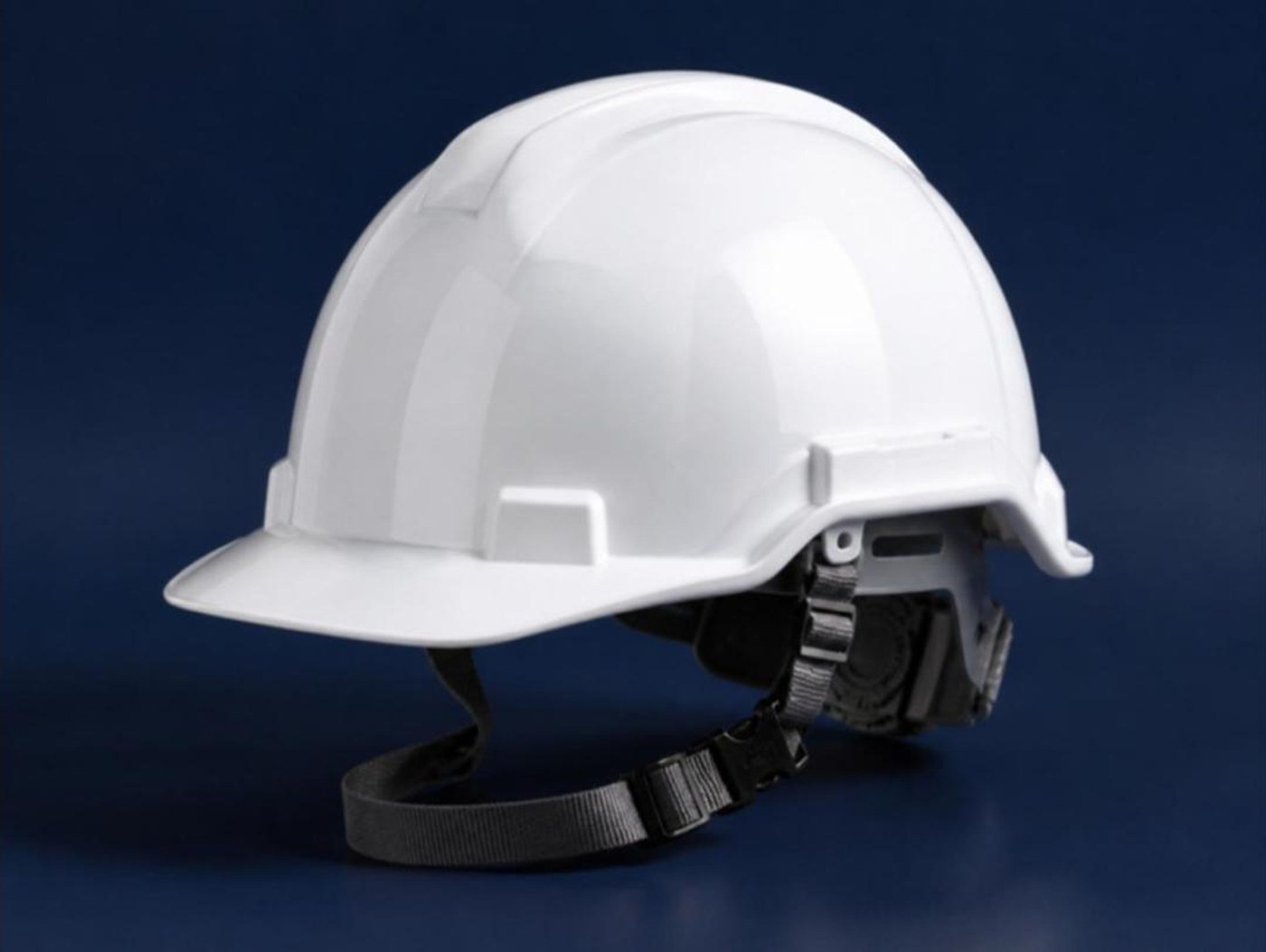
This guide to safety helmet is written for UAE work sites, and also applies to our service areas in Saudi Arabia and India. If you need help applying safety helmet on your site, our team can confirm the right option and supply certified stock from the safety products range, or you can request a quotation. For the underlying standards, see the International Organization for Standardization.
Frequently asked questions
Is EN 397 or ANSI Z89.1 required on UAE construction sites?
Neither is written into federal law by name, but Dubai Municipality and OSHAD require certified PPE chosen by risk assessment, and nearly every consultant specification calls for EN 397 or ANSI Z89.1. Dual-certified helmets avoid disputes on mixed-specification sites.
How often should safety helmets be replaced in the Gulf climate?
Follow the manufacturer's stated service life, typically two to five years from the moulded manufacture date, and replace sooner if the shell shows chalking, cracks or has taken an impact. Intense UV and heat in the GCC justify the shorter end of that range.
Can a vented safety helmet be used for electrical work?
No. Ventilation holes prevent a shell from passing the EN 397 440 V a.c. test or achieving ANSI Class E. Electricians and anyone working near live low-voltage equipment should be issued unvented, electrically rated helmets.