

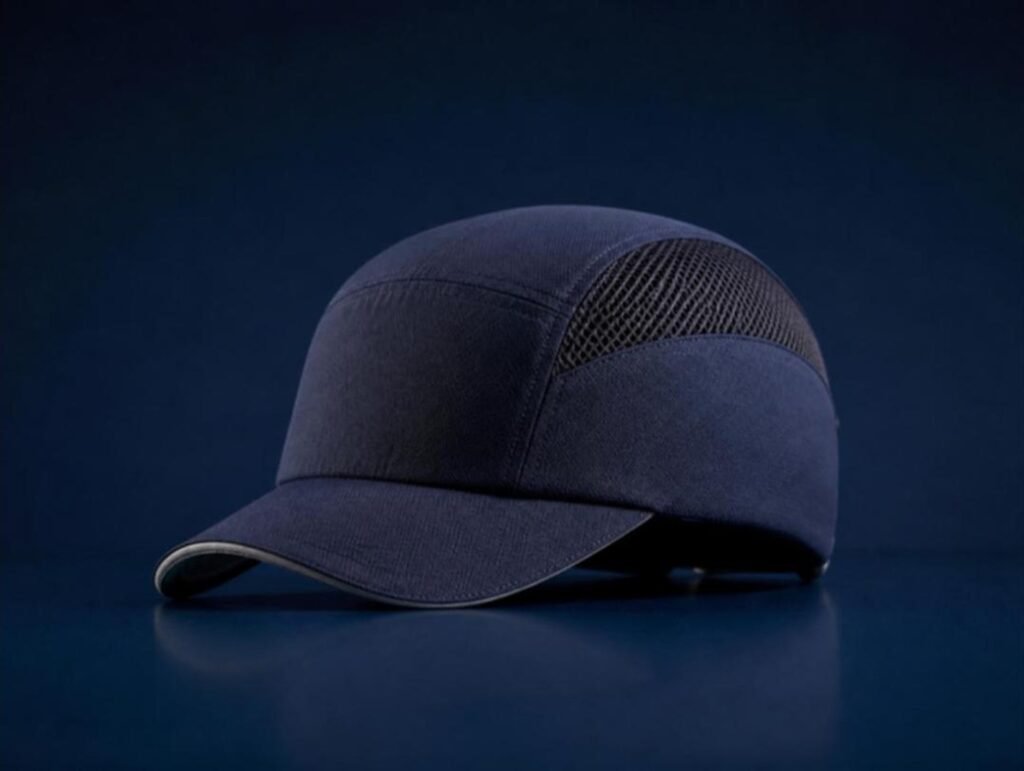
The bump cap vs hard hat difference comes down to one question: can something fall on the wearer? A bump cap certified to EN 812 protects against the wearer striking their own head on fixed objects such as pipework, ducting and low beams, while a hard hat certified to EN 397 or ANSI Z89.1 protects against falling and swinging objects. Issue the wrong one and a worker may be comfortable but legally and physically unprotected. This article sets out the five differences that matter when writing a PPE matrix for UAE, Saudi or Indian facilities.
Why the distinction matters on GCC sites
Bump caps have become popular in warehouses, vehicle workshops, food plants, airports and facilities-management teams across Dubai, Abu Dhabi and Riyadh because they are light, ventilated and look like a baseball cap. The problem arises when the same cap is worn into a construction zone, a loading bay with overhead cranes or a plant room where tools can be dropped from a platform. OSHAD-SF and Dubai Municipality inspectors treat this as a PPE selection failure, and under Saudi Aramco’s Construction Safety Manual bump caps are simply not an acceptable substitute for approved helmets in construction areas. The risk assessment, not the comfort of the wearer, decides which item is issued.
The standards side by side: EN 812 vs EN 397
| Feature | Bump cap (EN 812) | Hard hat (EN 397 / ANSI Z89.1) |
|---|---|---|
| Hazard covered | Wearer walking or bending into fixed objects | Falling, swinging or dropped objects |
| Impact test | 5 kg flat striker from 250 mm (approx. 12 J) | 5 kg hemispherical striker from 1 m (approx. 49 J) |
| Penetration test | None required in the same way; a lower-energy test applies | 3 kg pointed striker from 1 m must not touch headform |
| Construction | Thin ABS or HDPE shell inside a textile cap, foam padding | Rigid shell with suspended cradle and 25–50 mm clearance |
| Ventilation | Usually extensive | Optional; removes electrical rating |
| Chin strap | Rarely fitted | Available, mandatory at height |
| Typical weight | 150–250 g | 300–450 g |
The energy figures show the gap clearly: a hard hat absorbs roughly four times the impact of a bump cap and is tested for penetration by a sharp object, which a bump cap is not designed to resist.
Difference 1: the direction of the hazard
EN 812 assumes the energy comes from the wearer moving into a static object. The shell spreads the load and the foam prevents scalp lacerations and minor concussion. It does nothing meaningful if a spanner is dropped from scaffolding. Where both hazards exist, the hard hat wins every time.
Difference 2: where each is permitted
Typical acceptable bump-cap environments in the UAE include aircraft hangars during line maintenance, automotive service bays, cold stores, data-centre underfloor work, catering kitchens and retail stockrooms. Typical hard-hat zones include any construction site, steel fabrication yards, oil and gas plants, port container operations and any area beneath a crane or MEWP. Many facilities draw a painted line at the boundary and signpost it; see our safety signage and cones for mandatory PPE signs.
Difference 3: heat, sweat and wear compliance
Bump caps score highly on compliance because workers keep them on. A mesh-panel cap at 180 g is far easier to tolerate during a Gulf summer shift than a 400 g shell, which is precisely why supervisors are tempted to allow them everywhere. The honest answer is to improve hard-hat comfort with vented shells, six-point cradles and moisture-wicking sweatbands rather than downgrade protection. During the UAE midday break (15 June to 15 September, 12:30 to 15:00) outdoor work pauses, but indoor plant rooms stay hot, so comfort still matters.
Difference 4: electrical and chemical ratings
Bump caps carry no electrical insulation rating and are not tested for molten metal splash or lateral deformation. An electrician working in a live LV panel room needs an unvented EN 397 helmet marked 440 V a.c., and a foundry worker needs the MM marking. Our safety helmets page lists the optional markings available.
Difference 5: lifespan and inspection
Bump-cap inner shells are typically rated for three to five years and the textile outer can be washed, but padding compresses and should be replaced when it no longer springs back. Hard hats have a manufacturer-stated life and must be withdrawn after any significant impact. Both should be logged in the PPE register with issue dates.
Common mistakes
- Allowing bump caps on delivery drivers who then walk into construction unloading areas.
- Buying unbranded caps with no EN 812 marking on the inner shell.
- Removing the inner shell to wash the cap and forgetting to refit it.
- Assuming a high-visibility bump cap satisfies a hard-hat requirement because it is bright.
When site teams debate bump cap vs hard hat, the deciding factor is always the falling-object risk assessment, not comfort. Write the bump cap vs hard hat rule into your PPE matrix by zone so supervisors are not deciding at the gate. Revisit the bump cap vs hard hat decision whenever overhead work starts in an area that was previously low-risk.
Related guides: EN 397 vs EN 12492 Helmet Difference: What GCC Sites Need · How to Choose a Safety Helmet for Construction in UAE: 7 Checks · Work at Height Rescue Plan Requirements: 5 Essentials
Key takeaways: Bump Cap vs Hard Hat
- Bump caps (EN 812) protect against bumps into fixed objects only; hard hats (EN 397, ANSI Z89.1) protect against falling objects.
- Any zone with overhead work, cranes or dropped-tool risk requires a hard hat, without exception.
- Use bump caps for maintenance, logistics, hangars and kitchens where the risk assessment supports it.
- Improve hard-hat comfort rather than downgrading protection in hot conditions.
- Check for the standard marking moulded into the inner shell before bulk ordering.
Al Baraka Diyar supplies both EN 812 bump caps and EN 397 helmets so that each team can be equipped according to its actual hazard profile. View our industrial bump caps for maintenance and logistics teams, browse the complete safety products catalogue, or contact us to discuss a PPE matrix for your facility.
Bump Cap Vs Hard Hat: practical summary
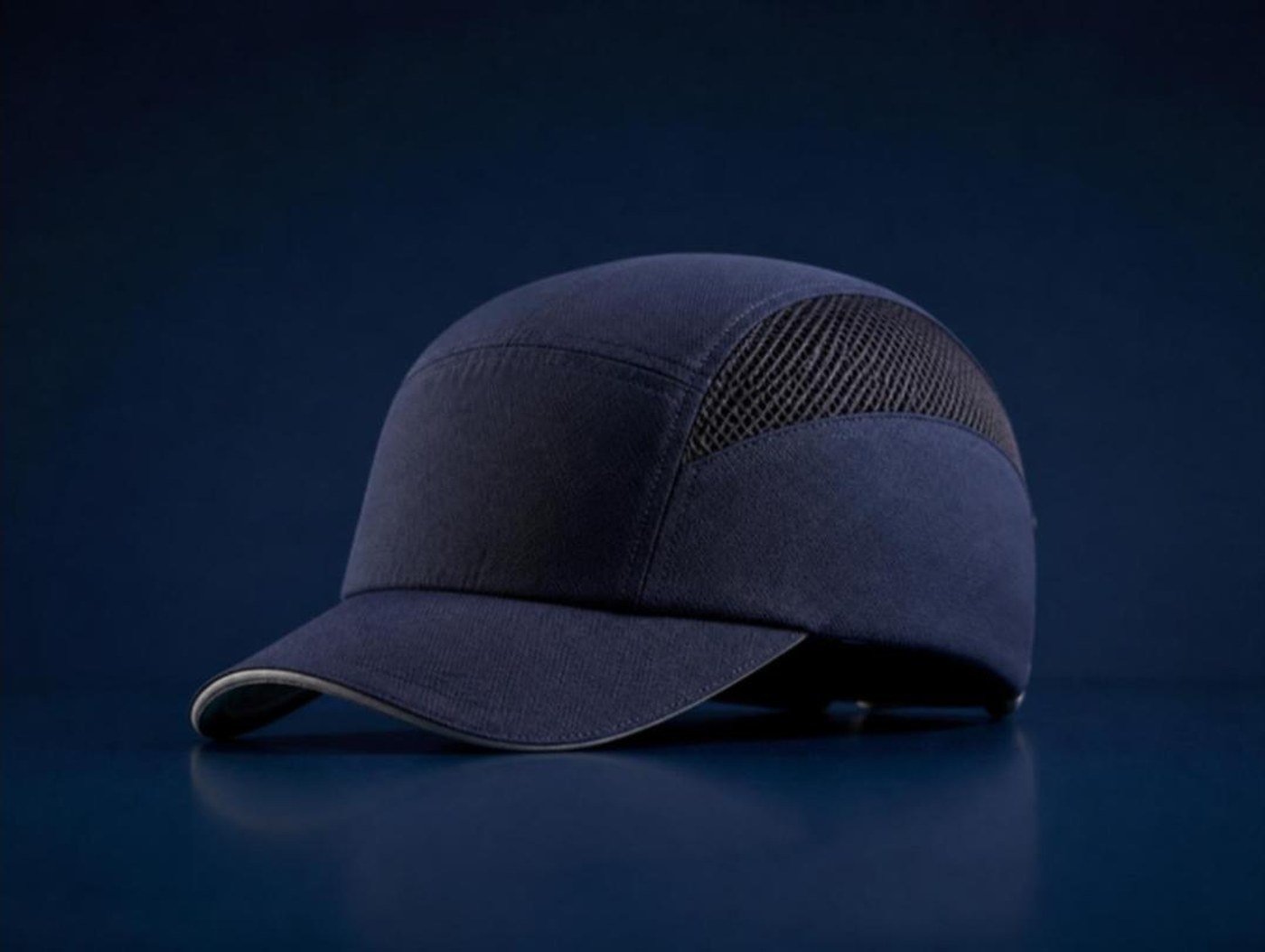
This guide to bump cap vs hard hat is written for UAE work sites, and also applies to our service areas in Saudi Arabia and India. If you need help applying bump cap vs hard hat on your site, our team can confirm the right option and supply certified stock from the safety products range, or you can request a quotation. For the underlying standards, see the International Organization for Standardization.
Frequently asked questions
Can a bump cap be used instead of a hard hat on a UAE construction site?
No. Construction sites carry falling-object risk, and bump caps are tested only for the wearer striking fixed objects. Dubai Municipality, OSHAD and Saudi Aramco all expect EN 397 or ANSI Z89.1 helmets in construction zones.
What standard should a bump cap meet?
Look for EN 812 marked on the inner shell. It confirms the cap has passed shock absorption and penetration tests at the lower energy level appropriate for bump hazards. Unmarked caps offer no verified protection.
Where are bump caps most commonly used in the GCC?
Aircraft maintenance, automotive workshops, warehouses, cold stores, catering kitchens, data centres and facilities-management teams, where low pipework and ducting are the main hazard and nothing is being lifted or worked on overhead.