

Head protection · Premium & specialised · HSE-mandated
Height-Work & Climbing-Style Safety Helmets in UAE, KSA & India
Height-work helmets are climbing-style industrial helmets with a four-point chin strap and side impact protection, certified to EN 12492 or ANSI Z89.1 Type II, that stay on the head during a fall or swing.
Site quantities · CE / ANSI certificates · Delivery across UAE, KSA & India
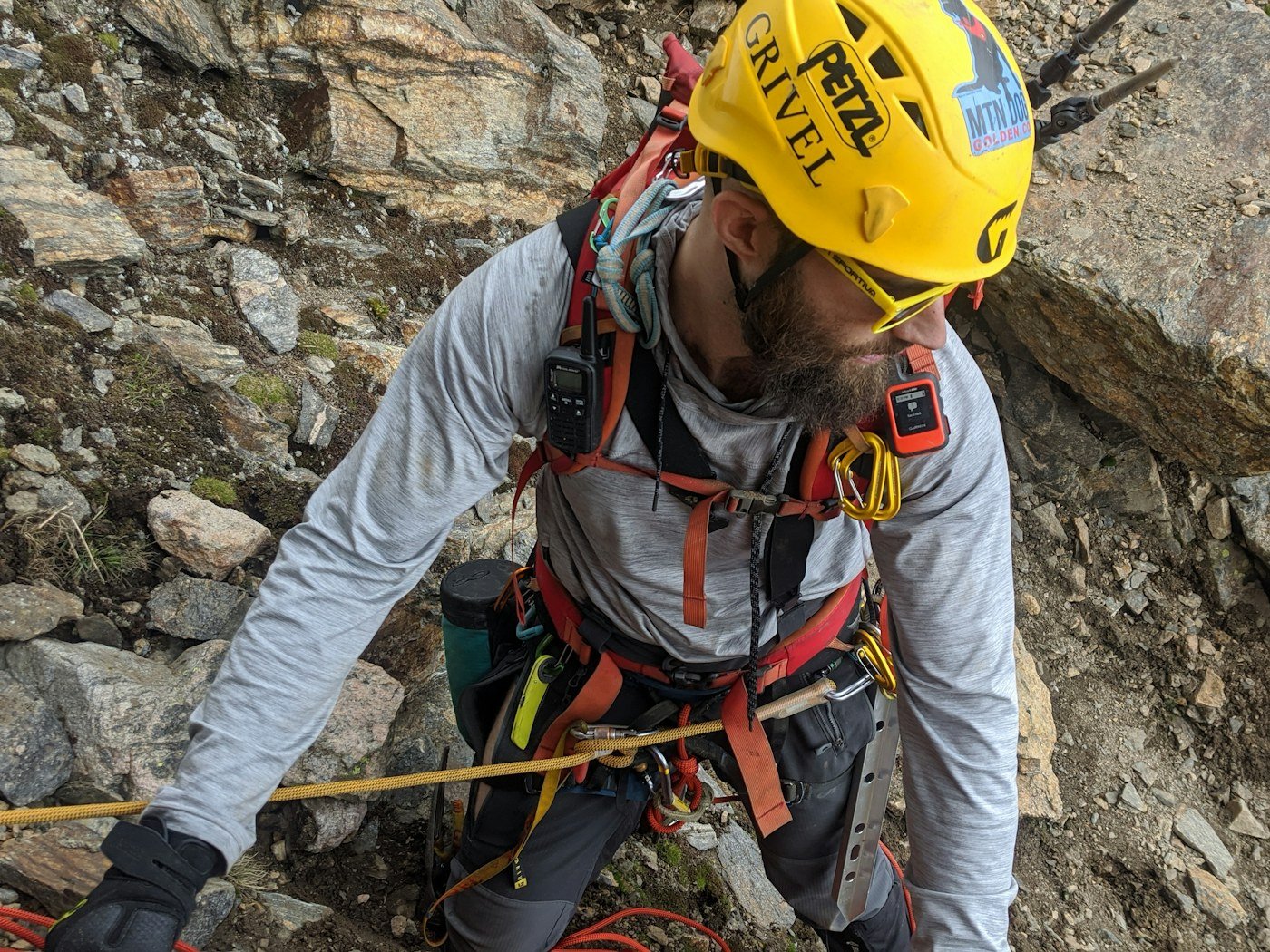
A standard EN 397 construction helmet is designed to shed on a 25 N chin strap release so it does not strangle the wearer, but that same feature means it can come off when a worker falls or swings into a structure. Height-work helmets solve this with a four-point chin strap retained at 50 N or more, a lower profile shell, and lateral, front and rear impact absorption. Most models carry EN 12492 mountaineering marking alongside EN 397 or ANSI Z89.1 Type II, so one helmet covers both top and side impacts.
In the GCC, scaffolders, steel erectors, rope access technicians, tower riggers, crane operators and rescue teams wear these helmets, and many Dubai and Abu Dhabi main contractors now mandate chin-strapped helmets for all work at height. Aramco CSM and ADNOC HSE practice commonly follow the same rule for work above 1.8 m. Al Baraka Diyar supplies height-work helmets with accessories in site quantities from Ajman across the UAE, with service to Saudi Arabia and India, with test certificates and logo printing available.
Key features
- Dual certified EN 12492:2012 and EN 397:2012 or ANSI/ISEA Z89.1-2014 Type II Class C or E
- Four-point chin strap with 50 N minimum retention so the helmet stays on during a fall
- ABS or polycarbonate shell with EPS or EPP liner for top, side, front and rear impact
- Vented and non-vented versions; non-vented Class E models rated to 20,000 V electrical insulation
- Ratchet headband 53 to 63 cm with washable textile sweatband for Gulf heat
- Integrated slots for visors, ear defenders, headlamps and ID holders
Technical specifications
| Standards | EN 12492:2012; EN 397:2012 +A1; ANSI/ISEA Z89.1-2014 Type I or Type II, Class C, G or E |
|---|---|
| Shell material | ABS or polycarbonate, UV stabilised |
| Liner | Expanded polystyrene (EPS) or expanded polypropylene (EPP) with foam comfort padding |
| Chin strap | 4-point polyester webbing, buckle release above 50 N (EN 12492) |
| Head size | 53–63 cm adjustable ratchet |
| Weight | Approximately 350–480 g depending on vents and class |
| Electrical rating | Non-vented Class E models tested to 20,000 V; vented Class C not insulating |
| Colours | White, yellow, orange, red, blue, green, black for trade identification |
| Packaging | Individually bagged; carton of 10–20 with manual and declaration of conformity |
Variants available
- Vented climbing-style helmet EN 12492 and EN 397
- Non-vented Class E helmet for electrical and petrochemical sites
- Hi-viz fluorescent shell with reflective stickers
- Helmet with integrated retractable eye shield
- Rescue team helmet in red with headlamp clips
- Complete kit with visor, ear defenders and chin cup
Brands we supply
Applications across GCC sites
scaffolding, steel erection, formwork and tower crane operation on UAE high-rise works
rope access inspection, column and tank work at refineries and offshore platforms
tower climbing and overhead line work requiring chin-strapped helmets
elevated tracker and carport installation at Saudi and UAE utility-scale plants
confined-space entry, silo access and plant maintenance with low headroom
site rescue teams and fire-watch crews needing side impact protection
What site HSE teams expect
UAE codes from Dubai Municipality and Abu Dhabi OSHAD require head protection on all construction sites and specifically call for chin straps during work at height. Helmets must be CE marked to EN 397 or EN 12492, with EN 12492 increasingly specified for riggers and scaffolders. Buyers typically request the EU type-examination certificate and a declaration of conformity. ADNOC HSE and Saudi Aramco CSM practice commonly accepts ANSI Z89.1 Type II alongside the European marks.
Helmets are inspected before each shift for cracks, UV chalking and strap damage, and replaced after any significant impact. Manufacturers typically state a 3 to 5 year service life from first use, with the date of manufacture moulded into the shell. Gulf sun and 50 °C summer temperatures accelerate shell ageing, so many contractors replace helmets every 2 to 3 years. Stickers and paints not approved by the manufacturer can weaken shells and are commonly prohibited.
How to choose
- Choose EN 12492 dual-marked helmets for anyone connected to a fall-arrest system or working on towers
- Pick non-vented Class E models where electrical contact is possible or where the site bans vents in process areas
- Vented shells improve comfort in summer heat but are not electrically insulating and may be refused on petrochemical plants
- Check accessory compatibility for visors, hearing protection and headlamps before standardising across a job
Frequently asked questions
What is the difference between EN 397 and EN 12492 helmets?
EN 397 is the industrial helmet standard focused on top impact and penetration, with a chin strap that releases under 25 N. EN 12492 is the mountaineering standard requiring front, side and rear impact protection and a chin strap holding at 50 N or more, so the helmet stays on in a fall.
Are chin-strapped helmets mandatory for work at height in the UAE?
Dubai Municipality and OSHAD codes require chin straps to be used during work at height, and most main contractors, ADNOC and Aramco mandate four-point chin-strapped helmets for riggers, scaffolders and anyone in a harness. EN 12492 marking is the common way to satisfy this requirement.
What does ANSI Z89.1 Type II mean?
ANSI Z89.1 Type I helmets protect against top impact only; Type II helmets are tested for lateral, front and rear impact as well. Class G is rated to 2,200 V, Class E to 20,000 V, and Class C is conductive, typically vented. Type II Class E is the most versatile choice for GCC oil and gas.
How long do height-work helmets last?
Most manufacturers give 3 to 5 years from first use, or up to 10 years from manufacture if stored properly. In Gulf conditions, UV and heat exposure commonly shorten this to 2 to 3 years. Any helmet that has taken a significant impact must be replaced regardless of appearance.
Can helmets be printed with our company logo?
Yes. Al Baraka Diyar supplies height-work helmets with pad-printed or heat-transfer logos and colour-coded shells for trades. Bulk orders ship from Ajman across the UAE, with service to Saudi Arabia and India with CE or ANSI certificates. Lead time for printed helmets is typically one to two weeks.
Quote for Type II / EN 12492 Height-Work Helmets
Tell us quantity, sizes and delivery location. We reply with an itemised quotation and certificates within one working day.
Related safety products
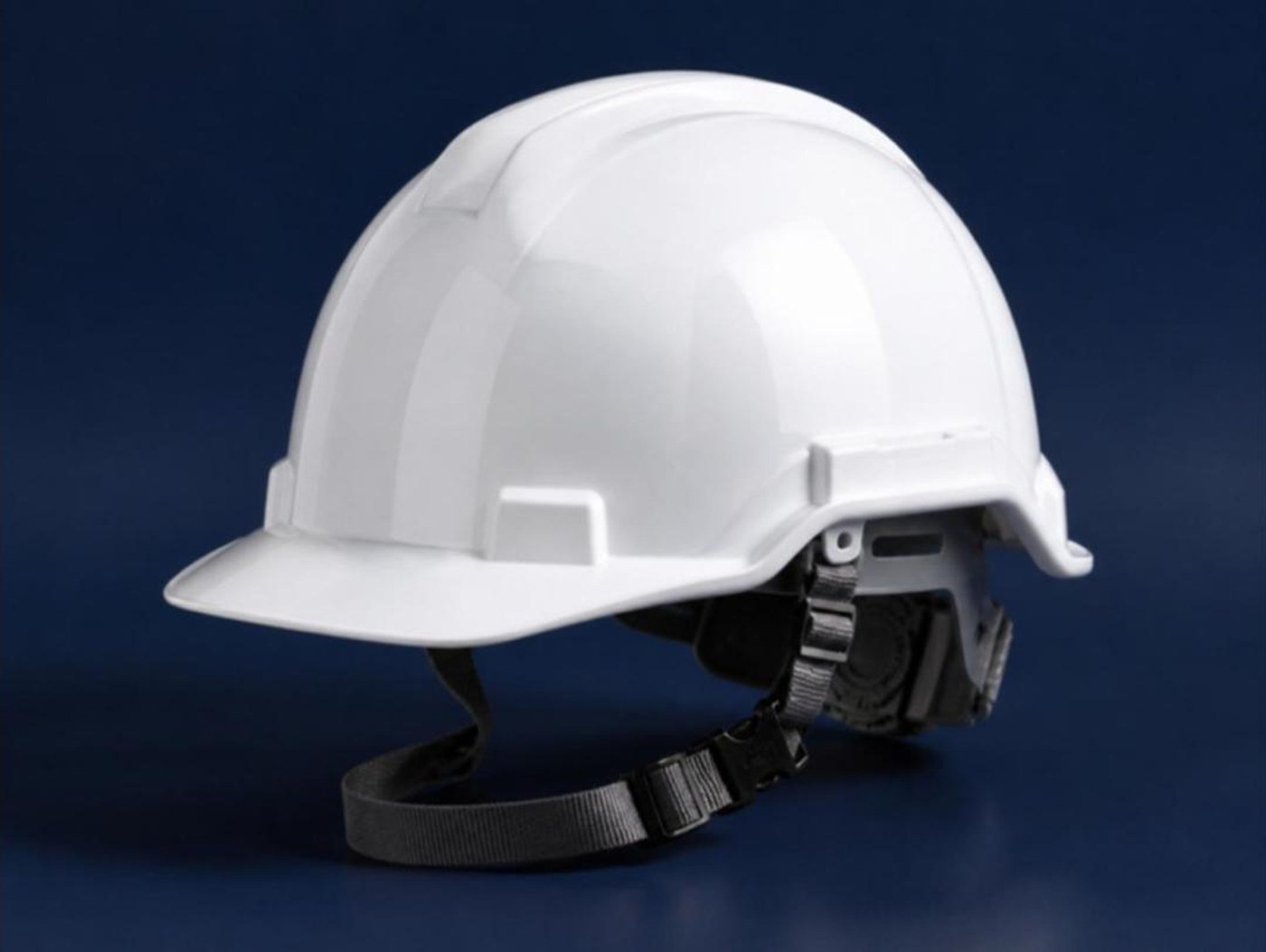
Safety Helmets (Hard Hats)
Safety helmets (hard hats) are rigid head-protection devices with an impact-absorbing shell and suspension harness, certified to EN 397 or A…
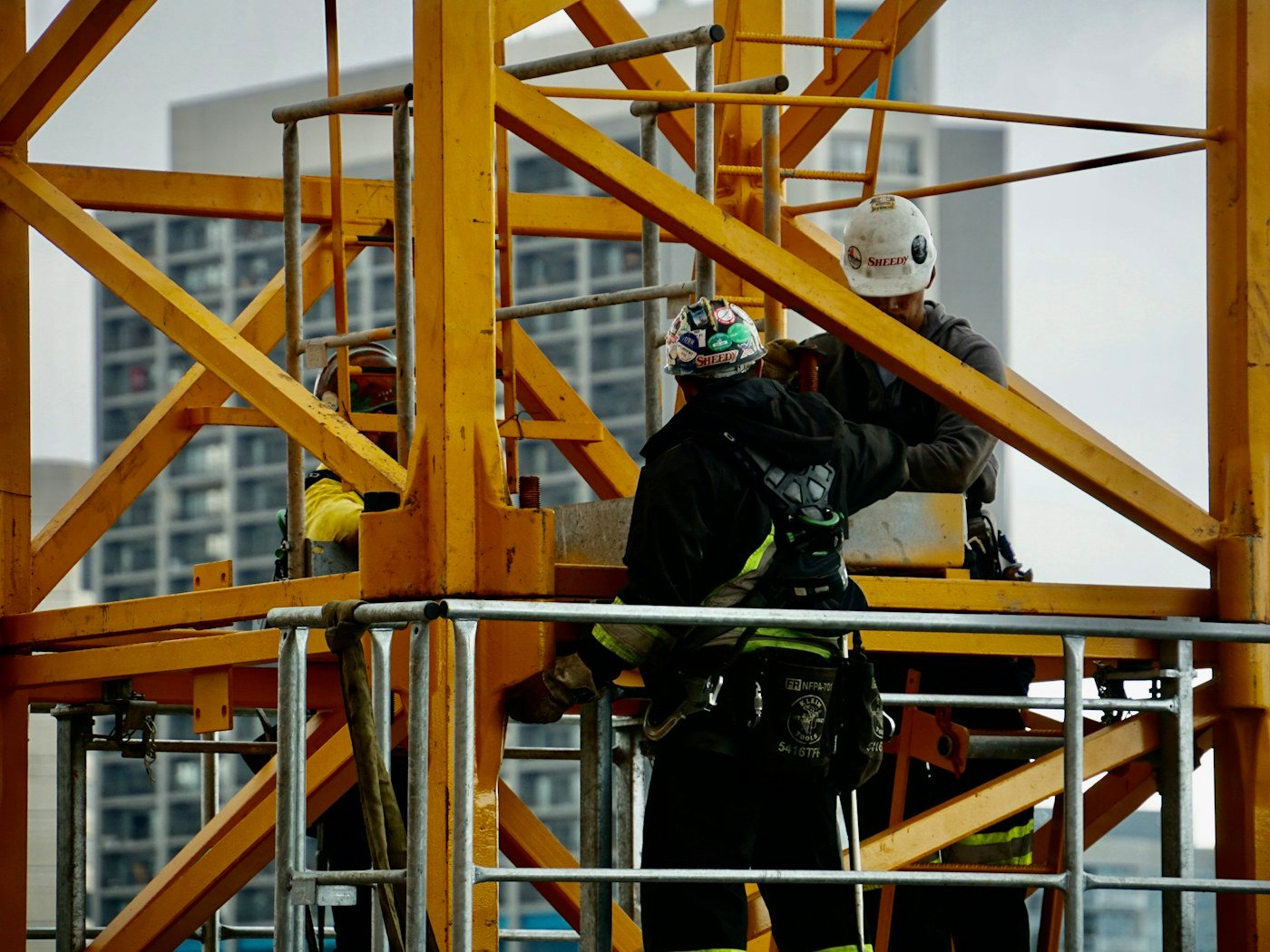
Full-Body Safety Harness
A full-body safety harness is a system of polyester webbing straps that fits around the shoulders, chest, pelvis and thighs and connects a w…
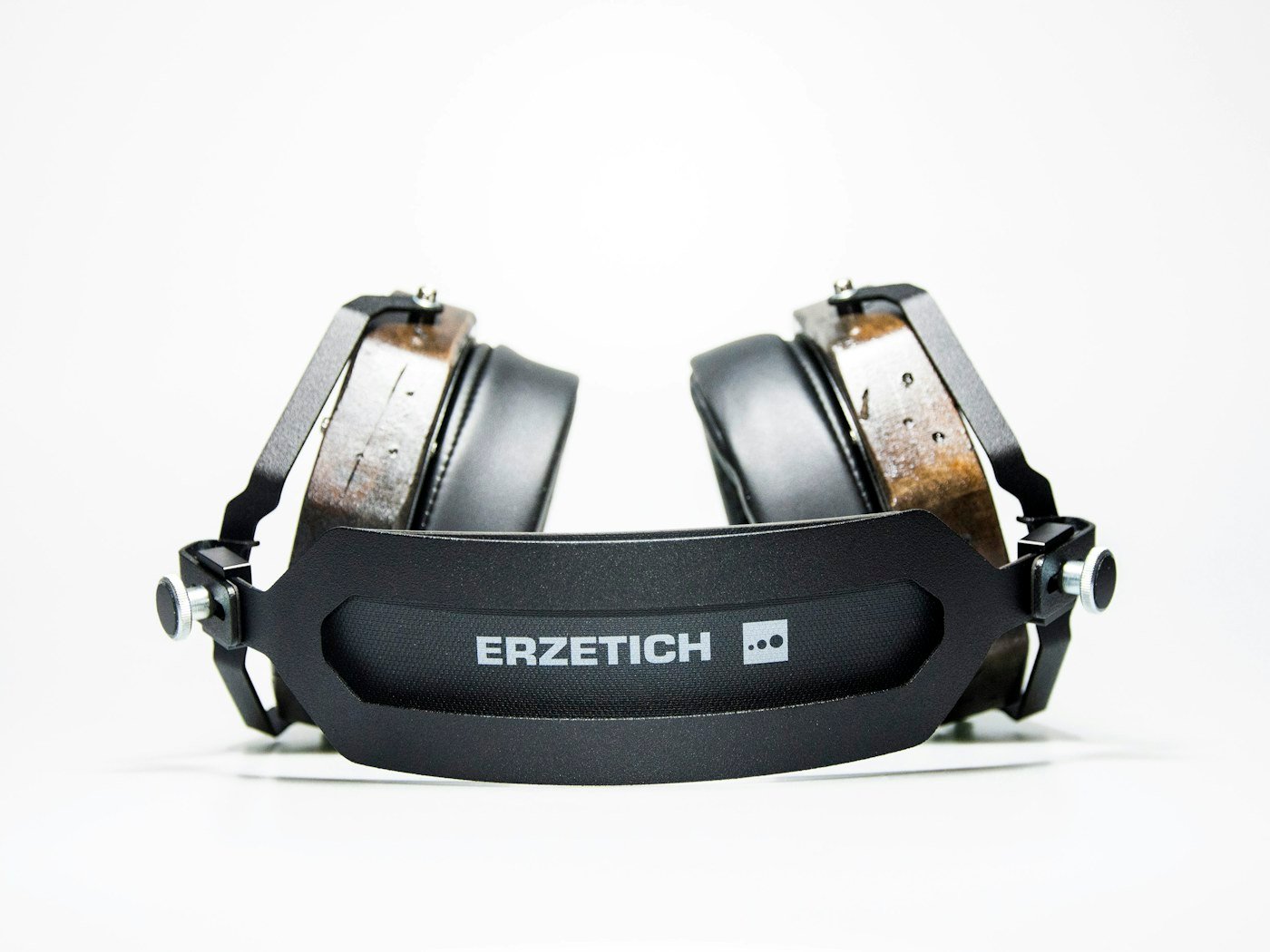
Ear Muffs
Ear muffs are over-the-ear hearing protectors with sound-attenuating cups and foam cushions on a headband or helmet-mounted arms, certified …
Need Type II / EN 12492 Height-Work Helmets for your site?
Send us the quantity, sizes and delivery location, or the client standard you must meet, and we will return an itemised quotation with certificates within one working day.