


The best rigger gloves for lifting operations are made from cow grain leather on the palm with an EN 388:2016 abrasion rating of 3 or higher, a tear rating of 3 or higher, and a knitted or safety cuff that keeps the glove on the hand when a sling snags. For crane and rigging crews in the UAE and Saudi Arabia, that basic specification, plus a wire-slipping-resistant palm patch and good sizing, prevents most of the cuts, abrasions and crush injuries that riggers suffer.
Why rigger gloves matter on GCC lifting sites
Riggers handle wire rope slings, shackles, chain blocks and steel beams in heat that makes synthetic palms slippery with sweat. Wire rope broken strands, known as jaggers, are the classic rigger injury, and they go straight through thin knit gloves. Saudi Aramco’s Construction Safety Manual and ADNOC lifting standards require rigging personnel to be trained and certified, and both expect hand protection matched to the task. Dubai Municipality and Abu Dhabi OSHAD lifting codes of practice carry the same expectation. A good leather rigger glove is one of the cheapest controls on a lifting plan.
Leather grades explained
Not all rigger gloves are equal. Cow grain leather (the outer, smooth side of the hide) is the most abrasion-resistant and keeps its shape; it is the standard for premium driver and rigger gloves. Cow split leather (the inner, suede-like layer) is cheaper and heavier, with less tear strength, and is more common on general-purpose and welding gloves. Goat grain is thinner and more dexterous but wears faster on wire rope. Pig grain stays soft when wet and dries without stiffening, which makes it useful for marine and offshore rigging in Gulf humidity. Chrome-tanned leather is the norm; look for a tannery statement on chromium VI content below 3 mg/kg as required by EN 420 / EN ISO 21420.
Specification checklist: six things to check
- EN 388:2016 rating. Aim for abrasion 3 or 4, tear 3 or 4. The cut digit is usually 1 or 2 for plain leather; add an HPPE liner if cut level B or above is needed.
- Impact protection (EN 388 P marking). TPR knuckle and finger guards reduce crush injuries from shackles and loads. ANSI/ISEA 138 gives a separate impact level 1 to 3.
- Cuff style. Knit wrist keeps debris out and suits most lifting; a safety cuff (gauntlet) comes off quickly if trapped, which some operators prefer for rigging near running gear.
- Palm reinforcement. A double palm or palm patch between thumb and forefinger extends life on wire rope.
- Stitching. Kevlar or polyester thread rather than cotton, with a gunn cut or keystone thumb for grip.
- Sizing. Sizes 8 to 11 should be stocked. A tight glove restricts blood flow in heat; a loose one twists on a sling.
Comparison: rigger glove options
| Type | Palm material | Typical EN 388 | Impact | Best for |
|---|---|---|---|---|
| Economy rigger | Cow split | 3122X | No | General labour, short tasks |
| Premium driver / rigger | Cow grain | 3133X or 4133X | No | Daily rigging, slinging |
| Impact rigger | Cow grain with TPR back | 4133XP | Yes | Oilfield, pipe handling, tubular yards |
| Synthetic rigger | Synthetic leather, HPPE liner | 4X43CP | Yes | Cut-risk lifts, machine-washable fleets |
| Welding gauntlet (not a rigger glove) | Split leather, long cuff | EN 12477 Type A | No | Hot work only |
Common mistakes
The first is issuing economy split-leather gloves to certified riggers and expecting them to last; split leather tears on wire rope and the crew ends up working bare-handed. The second is using rigger gloves for hot work, where they shrink and harden; use proper welding gauntlets. The third is ignoring impact protection on tubular and pipe yards where crush injuries are the dominant hand hazard. The fourth is washing leather gloves in water; they must be brushed clean and dried slowly in shade, or they stiffen and crack. Finally, gloves are often worn until the palm is through; set a replacement rule, for example when any seam opens or the palm thins enough to feel a wire strand.
Heat, sweat and glove life in the Gulf
Leather absorbs sweat and softens, which improves grip until the glove dries hard overnight. Rotating two pairs per rigger and storing them away from direct sun keeps leather supple. Unlined grain leather is cooler than lined or fleece-backed styles, which are unnecessary in the GCC except for winter night shifts in northern Saudi Arabia. Remember that rigging continues outside the UAE midday-break window (15 June to 15 September, 12:30 to 15:00), so morning and evening shifts still need gloves that do not slip when wet.
Cost factors
Price is driven by leather grade and thickness, whether the back is leather or cotton drill, impact guards, and order volume. Cow grain premium gloves cost more per pair than split but typically last two to three times longer on wire rope, giving a lower cost per rigging hour. Impact versions carry a further premium that is justified on oilfield and pipe-handling sites. Buying per site in sizes proportioned to the crew (typically most in sizes 9 and 10) reduces waste.
The best rigger gloves give grip and abrasion resistance without losing feel. Compare stitching and leather grade when picking the best rigger gloves. Replace even the best rigger gloves once palms wear thin.
On lifting jobs, rigger gloves are part of the kit for slingers and banksmen working with mobile cranes and telehandlers.
Related guides: How to Choose Welding Gloves for MIG, TIG and Stick: 5 Rules · Nitrile vs PU Coated Gloves for Construction: 5 Key Differences · Nitrile vs Latex vs Vinyl Disposable Gloves: Which to Buy
Key takeaways: Best Rigger Gloves
- Cow grain leather with EN 388 abrasion and tear level 3 or better is the baseline for riggers.
- Add impact protection where crush injuries are a known risk.
- Choose the cuff style to suit the task and the site’s entanglement risk.
- Never use rigger gloves for welding or chemical handling.
- Rotate pairs and dry in shade to extend life in Gulf heat.
Al Baraka Diyar supplies leather driver and rigger gloves in grain and split leather with optional impact protection, together with cut-resistant gloves and the full range of safety products for the UAE, Saudi Arabia and India. Contact us for samples and bulk pricing.
Best Rigger Gloves: practical summary
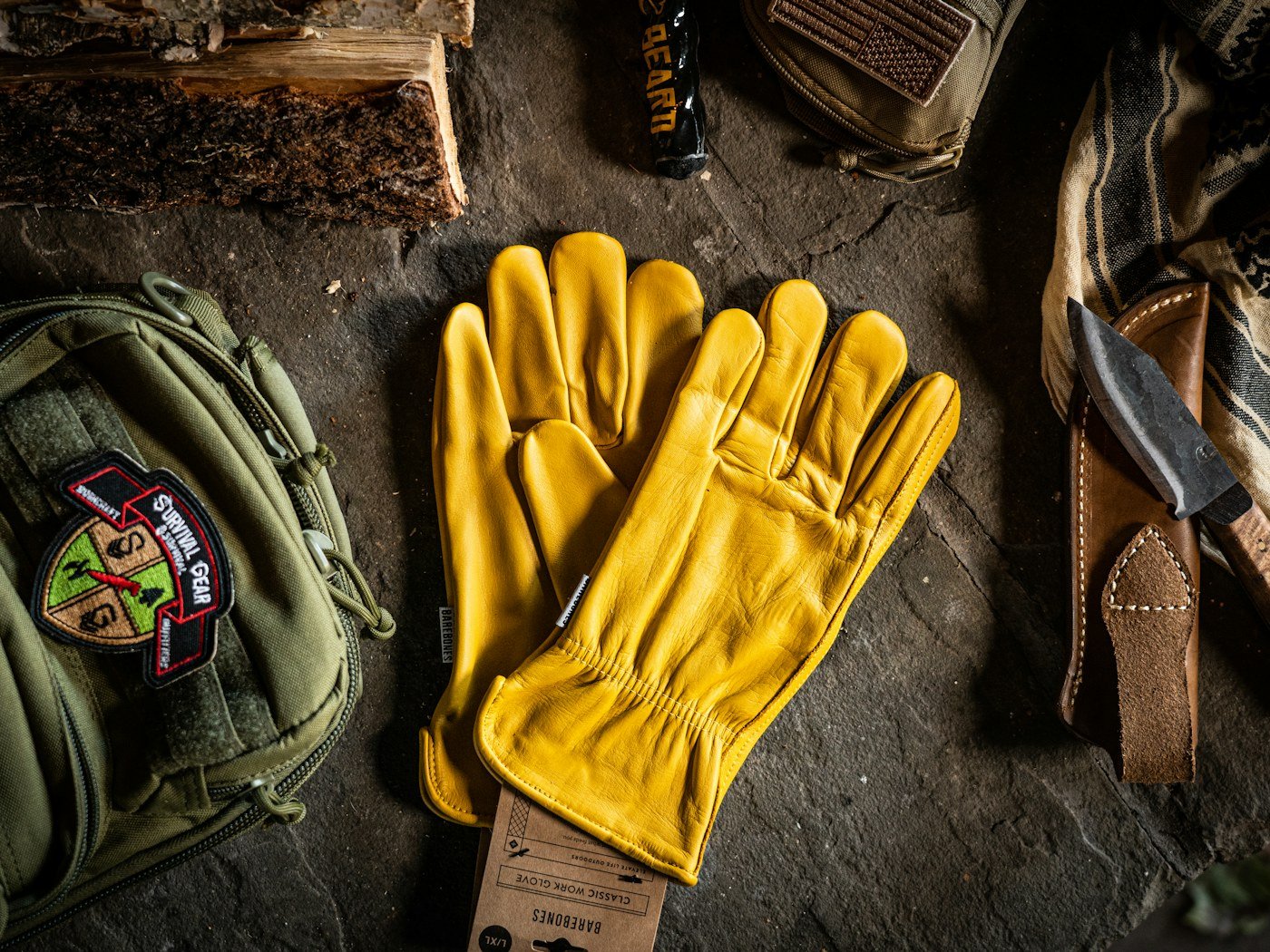
This guide to best rigger gloves is written for UAE work sites, and also applies to our service areas in Saudi Arabia and India. If you need help applying best rigger gloves on your site, our team can confirm the right option and supply certified stock from the safety products range, or you can request a quotation. For the underlying standards, see the International Organization for Standardization.
Frequently asked questions
What is the difference between driver gloves and rigger gloves?
They are the same basic pattern: a leather palm with a slip-on cuff. Driver gloves usually use thinner grain leather for dexterity; rigger gloves use heavier grain or split leather, often with a reinforced palm, for wire rope and slinging work.
Do rigger gloves need impact protection?
Not always, but on oilfield, pipe-handling and tubular-yard work where crush and pinch injuries are common, gloves with EN 388 P-marked or ANSI/ISEA 138 rated knuckle guards are strongly recommended and often specified by operators.
How long do leather rigger gloves last on site?
Premium cow grain gloves typically last two to four weeks of daily rigging, split leather about half that. Replace when a seam opens, the palm thins or the leather has hardened after wetting.