


Anti-fog safety glasses for UAE heat need two things: a lens coating that passes the EN 166 N (anti-fog) test and a frame that allows enough airflow to stop humid, sweaty air condensing behind the lens. Fogging is the single biggest reason operatives push spectacles up onto their helmet, and a spectacle on a helmet protects nobody. Al Baraka Diyar supplies polycarbonate spectacles specified for Gulf conditions, and this article sets out the six features that separate glasses that stay on from glasses that end up in a pocket.
Why fogging is worse in the Gulf
Fog forms when warm, moist air meets a lens cooler than the dew point. In Dubai or Dammam between June and September, relative humidity on the coast regularly exceeds 80 per cent and the dew point can reach 30 °C. A worker stepping from an air-conditioned cabin into that air will fog instantly, and a worker sweating behind a wraparound lens will fog continuously.
OSHAD-SF and Dubai Municipality require eye protection to be worn wherever a risk assessment identifies flying particles, dust or splash, which on a construction or fabrication site means almost everywhere. The midday-break rule (15 June to 15 September, 12:30 to 15:00) reduces exposure to the worst hours but does not solve the humidity problem in the morning or late afternoon.
Understanding the EN 166 markings
Every certified spectacle carries a lens marking and a frame marking. A typical lens line reads 2C-1.2 XX 1 FT KN:
- 2C-1.2 or 2-1.2: UV filter to EN 170 with good colour recognition, the standard clear lens.
- XX: manufacturer identification.
- 1: optical class 1, suitable for continuous wear.
- F: low-energy impact (6 mm ball at 45 m/s); B is medium energy, normally only on goggles and face shields.
- T: impact tested at extreme temperatures (-5 °C and +55 °C), relevant in the Gulf.
- K: resistance to surface damage by fine particles (anti-scratch).
- N: resistance to fogging.
ANSI/ISEA Z87.1 spectacles are marked Z87+ for high impact and may add U6 for UV. Dual EN 166 and ANSI marking is common and useful on sites with American and European specifications. The N marking is the one to insist on for Gulf work.
The six features that matter
| Feature | What to specify | Benefit in UAE conditions |
|---|---|---|
| 1. Anti-fog coating | EN 166 N marking; hydrophilic or dual-action coating | Lens stays clear during exertion and cabin-to-site transitions |
| 2. Anti-scratch coating | EN 166 K marking; hard coat on both faces | Sand and cement dust abrade uncoated lenses within days |
| 3. Ventilation | Vented brow or side channels; avoid fully sealed wraparounds unless splash risk exists | Reduces humid air trapped behind the lens |
| 4. UV filtration | EN 170 2C-1.2 clear or 5-3.1 grey tint | Blocks 99.9 per cent of UV; grey tint for outdoor glare |
| 5. Temperature rating | T marking | Confirms impact performance at +55 °C |
| 6. Fit and retention | Adjustable temples, soft nose bridge, optional cord | Less slipping with sweat; fewer gaps for dust |
Anti-fog coating types explained
Hydrophilic coatings absorb moisture into a thin layer so that it spreads rather than beading. They work well but wear off with repeated wiping and cannot be restored. Hydrophobic coatings make water bead and run off, which is better against splashes than fog. The newest dual-action coatings combine a permanent hydrophilic layer with a hard outer coat and carry both K and N markings; these are the ones to look for in a hot climate. Spray-on anti-fog treatments are a stop-gap only and should never be applied to lenses that already carry an N marking, as some solvents attack the coating.
Clear, tinted or indoor/outdoor?
Clear lenses (2C-1.2) are right for indoor work and anyone moving between light levels. Grey tints (5-3.1 or similar) cut glare for outdoor steelwork and road crews but must not be worn in plant rooms or at night. Indoor/outdoor lenses with a light mirror coating are a reasonable compromise for supervisors. Amber lenses improve contrast in dusty low light but distort colour and should not be used for electrical work where cable colour matters. For chemical splash hazards, spectacles are not sufficient and safety goggles are required.
Common mistakes
- Buying uncoated lenses to save a small amount per pair, then replacing them weekly because of scratches.
- Issuing one tint to everyone regardless of task and shift.
- Cleaning lenses with paper towels or shirt sleeves, which strips coatings; use microfibre and lens cleaner.
- Storing spectacles loose in toolboxes with abrasive debris.
- Wearing spectacles with side gaps where face shields should be worn over them for grinding or chipping.
Replacement and care
Replace spectacles when scratches sit in the line of sight, when the anti-fog coating no longer works after cleaning, or after any impact. On a GCC site a realistic life is four to eight weeks for operatives and longer for supervisors. Issue a microfibre pouch with each pair; it doubles as a cleaning cloth and protects the lens in a pocket.
Anti-fog safety glasses help in humid UAE conditions. Check that anti-fog safety glasses carry EN 166 marking. Replace scratched anti-fog safety glasses promptly.
Related guides: Chemical Splash Goggles vs Safety Glasses: Which to Issue? · When to Use a Face Shield at Work: 5 Tasks That Require One · Auto-Darkening Welding Helmet Shade Guide for GCC Workshops
Key takeaways: Anti-Fog Safety Glasses
- Insist on EN 166 lenses with both K and N markings for Gulf conditions.
- The T marking confirms impact performance at +55 °C.
- Match tint to task: clear indoors, grey outdoors, never grey at night.
- Ventilated frames reduce fogging more than any coating alone.
- Clean with microfibre and lens cleaner, and replace on condition rather than on a fixed date.
Al Baraka Diyar supplies polycarbonate safety spectacles with anti-fog and anti-scratch coatings in clear, grey and indoor/outdoor options. View our anti-fog safety spectacles for industrial use, browse the complete safety products range, or contact our team for bulk pricing across the UAE and KSA.
Fog Safety Glasses: practical summary
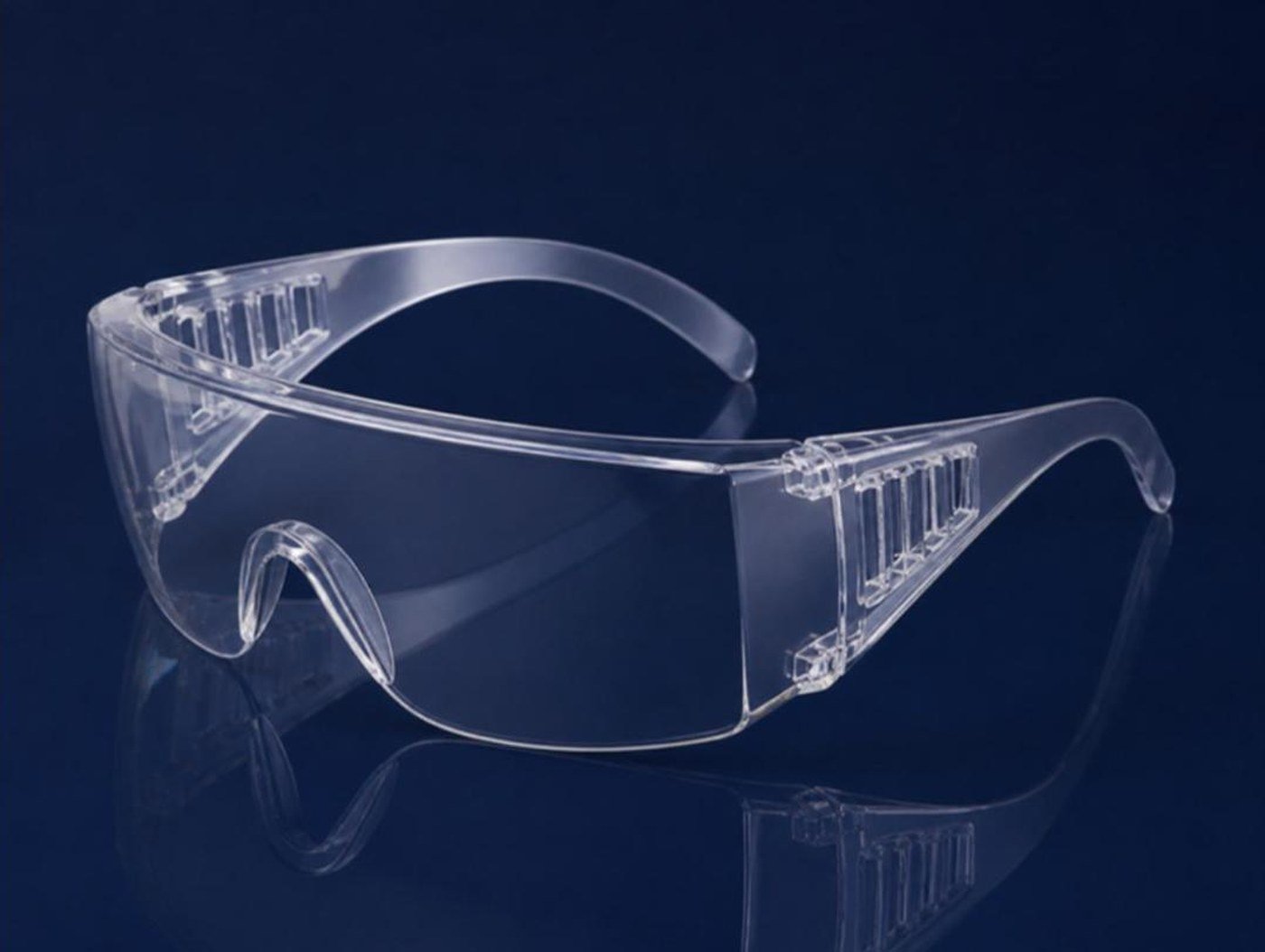
This guide to fog safety glasses is written for UAE work sites, and also applies to our service areas in Saudi Arabia and India. If you need help applying fog safety glasses on your site, our team can confirm the right option and supply certified stock from the safety products range, or you can request a quotation. For the underlying standards, see the International Organization for Standardization.
Frequently asked questions
What does the N marking on safety glasses mean?
N is the EN 166 marking for resistance to fogging. The lens must stay fog-free for a set time under a standardised humidity test. It is the single most important marking for spectacles used in the humid coastal conditions of the UAE and Eastern Province.
Can I use anti-fog spray on coated safety spectacles?
It is not recommended. Lenses that already carry an N marking have a factory coating that some spray solvents will damage. Sprays are a temporary fix for uncoated lenses only; the better long-term option is to buy K and N rated lenses.
Are tinted safety glasses allowed on UAE construction sites?
Yes, grey or indoor/outdoor tints certified to EN 166 and EN 170 or EN 172 are acceptable for outdoor daytime work. They must not be worn indoors, in plant rooms or at night, and most sites require clear lenses to be available on the person.