


The FFP2 vs FFP3 vs N95 difference is mainly one of test standard and filtration level: FFP2 and FFP3 are European classes under EN 149:2001+A1:2009 with minimum filter efficiencies of 94 and 99 per cent, while N95 is a US NIOSH class under 42 CFR Part 84 with 95 per cent efficiency. An FFP2 and an N95 are broadly equivalent for most dusts; an FFP3 offers a materially higher assigned protection factor and is the correct choice for silica, asbestos, welding fume and some chemical powders. Al Baraka Diyar supplies all three classes, and this guide explains the markings, protection factors and site rules that apply across the UAE, with service to Saudi Arabia and India.
Why the class matters on GCC sites
Concrete cutting, dry-mix handling, grit blasting clean-up, insulation removal and welding are daily tasks on Gulf sites and all generate respirable dust or fume. OSHAD-SF Code of Practice on PPE, the Dubai Municipality construction code and Saudi Aramco’s Construction Safety Manual require respiratory protection to be selected from an exposure assessment, and ADNOC HSE standards require fit testing for tight-fitting masks. Issuing an FFP1 for silica dust, or a surgical mask for anything, is a common and serious error.
The three classes compared
| Feature | FFP2 (EN 149) | FFP3 (EN 149) | N95 (NIOSH) |
|---|---|---|---|
| Minimum filter efficiency | 94 % | 99 % | 95 % |
| Test aerosol | NaCl and paraffin oil | NaCl and paraffin oil | NaCl only (R/P series for oil) |
| Max total inward leakage | 8 % | 2 % | Not specified; fit test required |
| Assigned protection factor (UK HSE) | 10 | 20 | 10 (OSHA APF for N95) |
| Typical uses | Cement dust, sanding, general construction, FFP2 welding fume at low levels | Silica, asbestos, lead, welding fume, pharmaceutical powders | As FFP2 on American-specified sites |
| Marking | EN 149:2001+A1:2009 FFP2 NR or R, CE mark | EN 149:2001+A1:2009 FFP3 NR or R, CE mark | NIOSH, TC-84A approval number |
Understanding the EN 149 markings
- NR means non-reusable: single shift only. R means reusable for more than one shift with cleaning, rare for cup masks.
- D indicates the mask passed the optional dolomite clogging test, which means it resists loading in heavy dust and breathes more easily over a long shift. Specify D for cement and blasting work.
- CE followed by the four-digit notified body number confirms third-party certification. Masks marked only KN95 (Chinese GB 2626) or without a notified body number should not be accepted on GCC sites unless the contract specification allows them.
FFP classes include a test for total inward leakage around the face seal as well as through the filter, which is why FFP3 is limited to 2 per cent leakage overall. NIOSH tests filter media only, so a US site relies on an OSHA fit test to control face-seal leakage.
Valved or unvalved?
Exhalation valves reduce heat and moisture build-up inside the mask and are strongly preferred for Gulf summer work, where an unvalved FFP3 becomes saturated within an hour. Valves do not reduce the protection to the wearer. They do, however, release unfiltered exhaled air, so unvalved masks are specified in clean rooms, food plants and infection-control settings. Flat-fold designs pack flat and are convenient; cup designs hold shape better in heat.
Which class for which task
- FFP1 (80 per cent, APF 4): nuisance dust only, such as sweeping and low-level sanding of softwood. Not for silica.
- FFP2 / N95: cement and plaster dust, MDF sanding, grinding, general demolition without silica, pollen and most non-toxic particulates.
- FFP3: respirable crystalline silica from concrete cutting, asbestos removal (FFP3 is the minimum, with a powered respirator preferred), lead paint, welding and brazing fume, biological agents, pharmaceutical powders.
Disposable respirators protect against particulates only. For solvent vapours, acid gases or ammonia, a half-mask respirator with the correct gas filter is required, and in oxygen-deficient or IDLH atmospheres only supplied-air or SCBA is acceptable.
Fit testing and facial hair
A disposable respirator only works with a good face seal. UK HSE guidance and OSHA 1910.134 require a fit test when a tight-fitting mask is first issued and when the model changes; ADNOC and Aramco contractors are routinely audited on this. Qualitative fit testing with bitter or sweet aerosol is sufficient for FFP masks. Beards and stubble break the seal, so clean-shaven policies or an alternative such as a loose-fitting powered respirator are needed.
Common mistakes
- Issuing surgical masks or unmarked KN95s for dust work.
- Re-wearing an NR mask for several days until it is visibly dirty.
- Pinching only one side of the nose clip, leaving a gap at the bridge.
- Wearing the mask under the nose or with one strap.
- Relying on an FFP2 for concrete cutting, where silica demands FFP3 or better.
Storage and replacement
Store boxes in a cool, dry place away from direct sun; heat and humidity degrade elastic straps and electrostatic filter media. Replace an NR mask at the end of each shift, when breathing becomes harder, when it is damaged or wet, or after removal in a contaminated area. Check the expiry date on the box, typically three to five years from manufacture.
The FFP2 vs FFP3 vs N95 choice depends on the dust hazard and your standard. Fit testing matters whichever FFP2 vs FFP3 vs N95 option you buy. Keep the FFP2 vs FFP3 vs N95 decision in your PPE matrix.
Related guides: SCBA Inspection Checklist and Cylinder Hydrostatic Test Interval · EEBD vs SCBA: When to Use an Escape Breathing Set (5 Rules) · Full Face vs Half Mask Respirator: 7 Factors for UAE Sites
Key takeaways: FFP2 vs FFP3 vs N95
- FFP2 and N95 are broadly equivalent at 94 to 95 per cent; FFP3 is 99 per cent with half the permitted leakage.
- FFP3 is the minimum for silica, asbestos, lead and welding fume.
- Specify the D marking and an exhalation valve for Gulf conditions.
- Insist on the CE notified body number; reject unmarked masks.
- Fit test every wearer and enforce clean-shaven policies.
Al Baraka Diyar supplies CE-marked FFP2 and FFP3 respirators with and without valves, in cup and flat-fold styles, to contractors across the UAE, with service to KSA and India. See our FFP2, FFP3 and N95 disposable respirators, browse the full safety products range, or contact us for bulk supply and fit-test support.
Ffp2 Vs Ffp3 Vs N95: practical summary
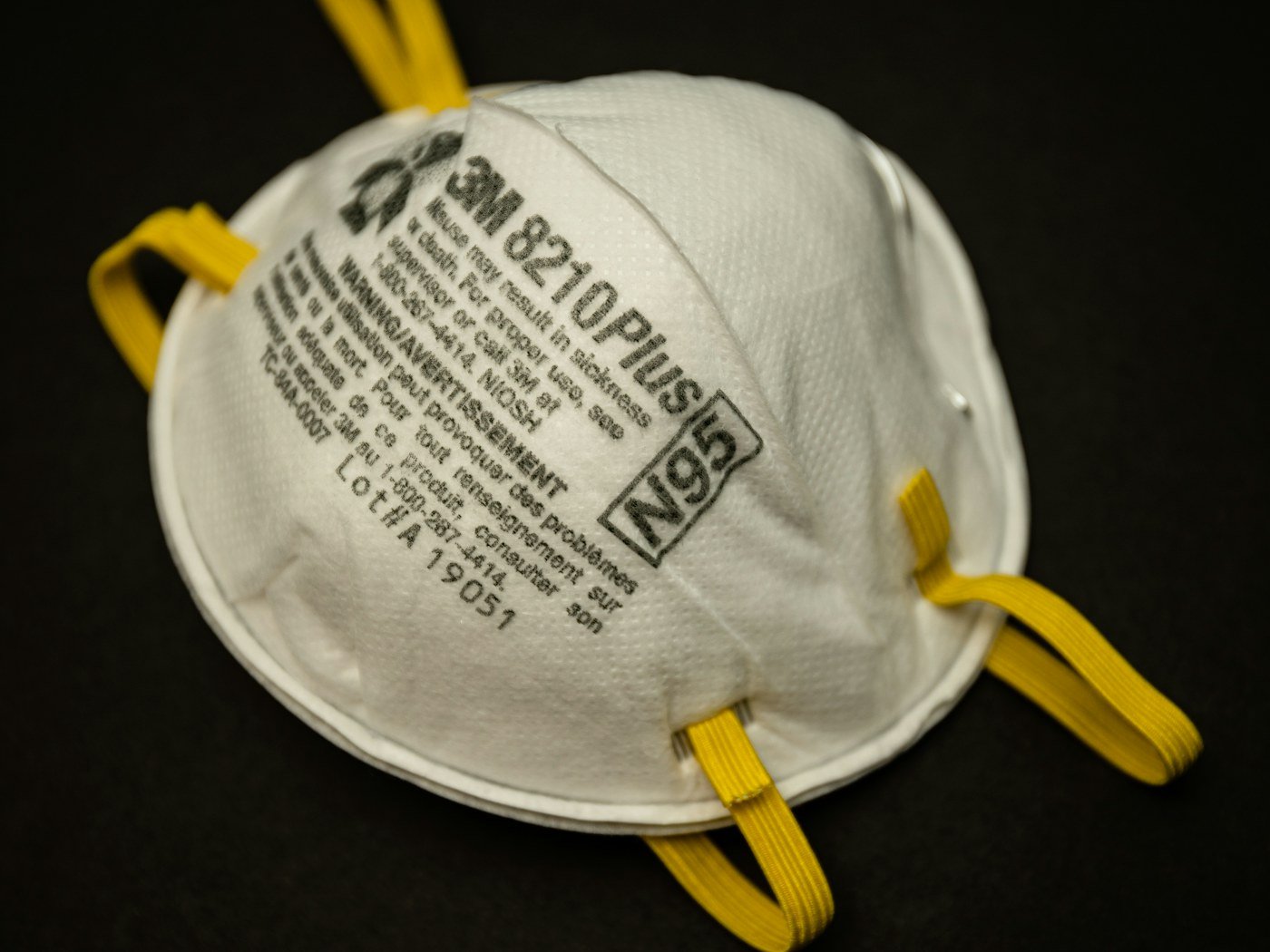
This guide to ffp2 vs ffp3 vs n95 is written for UAE work sites, and also applies to our service areas in Saudi Arabia and India. If you need help applying ffp2 vs ffp3 vs n95 on your site, our team can confirm the right option and supply certified stock from the safety products range, or you can request a quotation. For the underlying standards, see the International Organization for Standardization.
Frequently asked questions
Is an N95 the same as an FFP2?
They are close equivalents. N95 filters at least 95 per cent of sodium chloride aerosol under NIOSH testing; FFP2 filters 94 per cent of both salt and oil aerosols under EN 149 and includes a face-seal leakage test. Most GCC specifications accept either for general dust.
Which respirator is needed for cutting concrete?
Concrete cutting releases respirable crystalline silica, which requires at least an FFP3 disposable respirator or a half mask with P3 filters, combined with water suppression or on-tool extraction. FFP2 is not adequate for silica exposure.
How long can a disposable FFP respirator be worn?
A mask marked NR is for a single shift of up to eight hours and must be discarded afterwards, or sooner if it becomes damp, damaged or hard to breathe through. In hot, humid GCC conditions a valved mask lasts a full shift more comfortably than an unvalved one.