


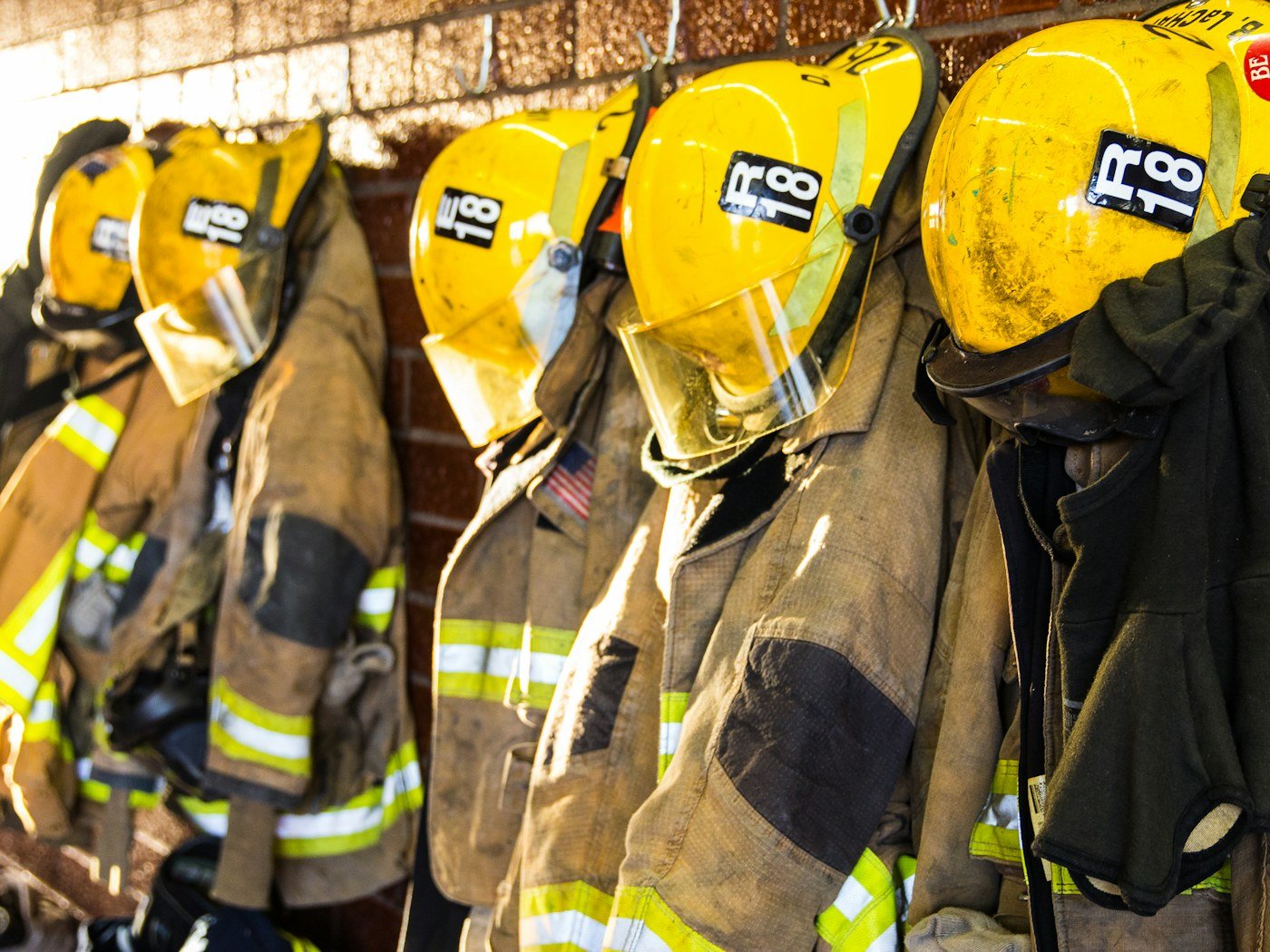
In the NFPA 1971 vs EN 469 turnout gear comparison, both standards certify structural firefighting ensembles, but NFPA 1971 (now consolidated into NFPA 1970) is a prescriptive three-layer design with a 35-second total heat loss and TPP minimum of 35, while EN 469 is a performance standard with Level 1 and Level 2 heat and water-barrier classes. UAE Civil Defence and most industrial fire brigades in Saudi Arabia accept either, but the specification must match the brigade’s SCBA, helmet and glove interfaces and the climate the crew works in.
Why the choice matters for GCC brigades
Industrial fire teams at refineries, airports, ports and free zones across the UAE and Saudi Arabia buy turnout gear in large sets, and the standard chosen affects fit, interface with SCBA and helmets, training and replacement cycles. UAE Civil Defence approves equipment through its product registration scheme, Saudi Aramco Fire Protection Department and SABIC brigades follow NFPA-based specifications, and Dubai Civil Defence has historically procured to both. Heat is the other factor: a Gulf firefighter is already heat-stressed before the first line is pulled, so total heat loss (THL) and garment weight carry more weight than they would in Europe.
Standards explained
- NFPA 1971:2018 — structural and proximity firefighting ensembles; three layers (outer shell, moisture barrier, thermal liner); TPP of at least 35 cal/cm², THL of at least 205 W/m², with helmet, gloves, boots and hood all covered.
- NFPA 1970:2024 — the consolidated document that now contains 1971, 1975, 1981 and 1982.
- EN 469:2020 — protective clothing for firefighters; Level 1 and Level 2 for heat transfer (flame and radiant), water penetration and water-vapour resistance.
- EN 443:2008 — helmets; EN 659 — gloves; EN 15090 — footwear; EN 13911 — hoods.
- NFPA 1851:2020 — selection, care and maintenance; a 10-year mandatory retirement from manufacture date.
Comparison table
| Aspect | NFPA 1971 / 1970 | EN 469 |
|---|---|---|
| Design approach | Prescriptive, three layers required | Performance-based, layer count not fixed |
| Thermal protection | TPP 35 minimum | Level 2 heat transfer (flame and radiant) |
| Breathability | THL 205 W/m² minimum | Water-vapour resistance Ret classes |
| Reflective trim | Specified pattern and area | Per EN 469 Annex and EN ISO 20471 style |
| Typical weight | Heavier | Often lighter at Level 2 |
| Retirement | NFPA 1851 10 years | Manufacturer and brigade policy |
| Regional acceptance | Aramco, SABIC, airports | UAE Civil Defence, many municipal brigades |
How to choose for the Gulf
Heat and humidity
Prioritise THL above the minimum and lighter outer-shell fabrics such as PBI or para-aramid blends. Moisture barriers with high breathability reduce heat-stress incidents in training, which is where most Gulf brigade injuries happen. Combine the ensemble with a cooling and rehab plan using heat-stress kits.
Interfaces
Check collar height against the SCBA mask, cuff overlap with gloves and the hood with the helmet model in use. Mixing an NFPA jacket with EN gloves is permitted but must be assessed for the interface gaps.
Sizing and fit
Multinational crews need a wide size run, and poorly fitted gear increases heat burden and reduces mobility. Measure every firefighter rather than ordering by shirt size.
Common mistakes
- Buying EN 469 Level 1 garments for structural firefighting; Level 2 is the structural standard.
- Storing gear in direct sun or in hot vehicles, which degrades the moisture barrier.
- Washing in domestic machines with chlorine bleach.
- Keeping gear in service past 10 years because it “looks fine”.
- Ignoring contamination; soot-laden gear carries carcinogens into the station.
- No reserve set, so crews train in contaminated front-line gear.
Care, inspection and retirement
Follow NFPA 1851 even for EN 469 gear: routine inspection after every use, advanced inspection at least annually by a trained person, and cleaning in a dedicated extractor at no more than 40°C with approved detergent. Repair only through the manufacturer or a verified ISP. Retire the garment at 10 years from manufacture, or earlier if the moisture barrier fails a hydrostatic test or the outer shell shows charring or UV degradation, which arrives early in Gulf sun.
Cost factors
Costs scale with outer-shell fabric, moisture-barrier type and the number of sets. Two sets per firefighter is the NFPA 1851 recommendation and allows one to be cleaned while the other is on the rack. Treat turnout gear as a capital item with a 10-year planned replacement programme rather than an ad hoc purchase.
The NFPA 1971 vs EN 469 choice usually follows the standard named in your client or civil defence specification, not personal preference. Do not mix NFPA 1971 vs EN 469 garments within one crew, because sizing, layering and inspection records differ. Keep certificates for whichever side of the NFPA 1971 vs EN 469 decision you take on file for audits.
Related guides: NFPA 2112 vs EN ISO 11612: Choosing FR Coveralls in the GCC · Fire Watch PPE Requirements for Hot Work: 8-Point Checklist · Which Fire Extinguisher for Which Fire Class? UAE Guide
Key takeaways: NFPA 1971 vs EN 469
- NFPA 1971 is prescriptive and heavier; EN 469 Level 2 is performance-based and often lighter.
- Both are accepted in the GCC; match the standard to the brigade’s existing equipment and client requirements.
- Specify high THL or low Ret for Gulf heat.
- Clean, inspect and store gear to NFPA 1851 regardless of the certification.
- Retire at 10 years or on failure, and keep two sets per firefighter.
Al Baraka Diyar supplies NFPA 1971 and EN 469 Level 2 structural firefighter PPE with helmets, hoods, gloves and boots, as part of its safety products range for the UAE, Saudi Arabia and India. To specify a full ensemble for your brigade, contact us.
Nfpa 1971 Vs En 469: practical summary
This guide to nfpa 1971 vs en 469 is written for UAE work sites, and also applies to our service areas in Saudi Arabia and India. If you need help applying nfpa 1971 vs en 469 on your site, our team can confirm the right option and supply certified stock from the safety products range, or you can request a quotation. For the underlying standards, see the International Organization for Standardization.
Frequently asked questions
Does UAE Civil Defence accept EN 469 or NFPA 1971 turnout gear?
Both are accepted, subject to product registration with Civil Defence and the specification of the brigade or facility. Industrial brigades at Aramco and SABIC facilities generally follow NFPA, while many municipal and private brigades in the UAE procure EN 469 Level 2 ensembles.
How long does structural firefighting gear last?
NFPA 1851 sets a mandatory retirement of 10 years from the date of manufacture, and most EN 469 manufacturers advise a similar limit. In Gulf conditions UV exposure and frequent training can shorten life, so retire gear earlier if the moisture barrier or outer shell fails inspection.
Can NFPA and EN components be mixed in one ensemble?
They can, but the brigade must assess the interfaces: collar-to-mask, cuff-to-glove and hood-to-helmet. Gaps at these points are where burns occur. Where possible, buy the ensemble as a tested set from one manufacturer to avoid interface problems.