

Fall protection & rescue · Premium & specialised · HSE-mandated
Horizontal Lifelines & Engineered Anchors in UAE, KSA & India
Horizontal lifelines are tensioned webbing or cable systems fixed between two or more anchors that let workers connect their harness and move along a roof, beam or deck while remaining protected from falls.
Site quantities · CE / ANSI certificates · Delivery across UAE, KSA & India

A horizontal lifeline (HLL) provides a continuous anchorage line along a work area where no single overhead anchor point exists. Temporary systems use polyester webbing or galvanised cable with a ratchet tensioner and built-in energy absorber, fixed to beam clamps, column straps or concrete anchors certified to EN 795. Engineered anchors such as girder clamps, door jamb anchors, tripod anchors and anchor slings complete the system by giving a tested connection point for lanyards, SRLs and the lifeline ends.
On GCC sites, HLLs are used on steel roofs, precast decks, pipe racks, tank tops and flatbed trailers where workers must move laterally. Dubai and Abu Dhabi contractors fit them during roof sheeting, while Aramco and ADNOC maintenance teams use them on pipe bridges and vessel platforms. Al Baraka Diyar supplies complete lifeline kits and anchor hardware in site quantities from Ajman across the UAE, with service to Saudi Arabia and India, with certificates and installation manuals for each product.
Key features
- Temporary HLL kits tested to EN 795:2012 Type C with EN 16415 rating for two users
- Polyester webbing 35 mm or 8 mm galvanised cable with integral shock absorber
- Ratchet tensioner gives correct pre-tension without tools; spans up to 20 m per section
- Beam clamps adjustable for flanges from 75 mm to 360 mm with EN 795 Type B marking
- Anchor slings in webbing or steel cable rated 22 kN minimum breaking strength
- Tripod anchors and door jamb anchors for confined-space and interior openings
Technical specifications
| Standards | EN 795:2012 Type B and Type C; CEN/TS 16415:2013 for multi-user; ANSI Z359.18 on selected anchors |
|---|---|
| Line material | Polyester webbing 35 mm or galvanised steel cable 8 mm |
| Span length | Up to 20 m single span temporary; longer with intermediate brackets |
| Number of users | Typically 2 users per temporary system; permanent systems per engineering design |
| Minimum static strength | 12 kN per user as tested; anchors rated 12–22 kN |
| Beam clamp range | 75–360 mm flange width, 24 mm maximum flange thickness |
| Material | Galvanised or powder-coated steel, forged alloy connectors |
| Packaging | Each kit in carry bag with tensioner, two anchor slings, manual and inspection record |
Variants available
- Temporary webbing HLL kit 20 m
- Temporary cable HLL kit with tensioner
- Sliding beam anchor clamp
- Fixed beam clamp anchor point
- Webbing and wire anchor slings 1–2 m
- Confined-space tripod anchor
Brands we supply
Applications across GCC sites
roof sheeting, cladding and precast installation on steel and concrete frames
pipe rack and pipe bridge maintenance at refineries, gas plants and tank farms
module installation along tracker rows and carport structures
overhead crane and conveyor gantry maintenance in factories and cement plants
flatbed trailer and tanker top access in loading yards
roof-top HVAC and water tank maintenance on commercial buildings
What site HSE teams expect
UAE regulators including Dubai Municipality and Abu Dhabi OSHAD require fall protection systems to be designed, installed and inspected by competent persons, with temporary HLLs installed strictly to the manufacturer's manual. Anchor points must be certified to EN 795 or ANSI Z359.18 and buyers typically request the EU type-examination certificate. Permanent lifelines on buildings and plants are generally subject to engineering sign-off and periodic load testing under Dubai Municipality and Trakhees guidance.
Saudi Aramco CSM and ADNOC HSE practice commonly require HLL calculations showing sag, end-anchor loads and fall clearance before use, plus annual inspection by the manufacturer or an authorised body for permanent systems. Temporary kits are inspected pre-use and formally at intervals not exceeding 12 months, and withdrawn after any fall. Webbing lines typically have a 5 to 10 year maximum life depending on exposure to UV and heat.
How to choose
- Confirm end-anchor structures can take the lifeline end loads, which can exceed 20 kN for two users with low sag
- Choose cable lines for hot-work areas, abrasive edges and permanent installations; webbing for quick temporary use
- Check fall clearance including line sag, lanyard length and harness stretch against the manufacturer's tables
- Select beam clamps sized for the actual flange width and confirm orientation for sliding or fixed use
Frequently asked questions
What standard applies to horizontal lifelines in the UAE?
Temporary systems are certified to EN 795:2012 Type C, with CEN/TS 16415 covering use by more than one person. Anchor devices such as beam clamps and slings are EN 795 Type B. ANSI Z359.18 is accepted on many Aramco and ADNOC sites alongside CE marking.
How many workers can use one horizontal lifeline?
Most temporary webbing or cable kits are rated for two users per span, as tested to EN 16415. Permanent engineered systems may allow more depending on span, anchor strength and energy absorber design. Always follow the manufacturer's user limit and keep users spaced along the line.
Do horizontal lifelines need engineering calculations?
Temporary kits installed to the manual within the stated span usually do not, but the supporting structure must be verified. Permanent lifelines and any installation outside the manual's limits typically require a structural engineer's calculations and sign-off, which Aramco and ADNOC HSE reviewers commonly request before work starts.
What inspection and lifespan rules apply?
Users check the line, tensioner and anchors before each use, and a competent person records a formal inspection at least every 12 months. Webbing lines are typically retired within 5 to 10 years, sooner in Gulf sun. Any system that has arrested a fall must be removed from service and inspected by the manufacturer.
Can Al Baraka Diyar supply full kits for a job?
Yes. We supply temporary HLL kits, beam clamps, anchor slings, tripods and matching harness and SRL sets in bulk quantities from Ajman, with CE certificates, manuals and inspection logs. Delivery across the UAE is prompt, and we export to Saudi Arabia and India with documentation for client approval.
Quote for Horizontal Lifelines & Engineered Anchors
Tell us quantity, sizes and delivery location. We reply with an itemised quotation and certificates within one working day.
Related safety products
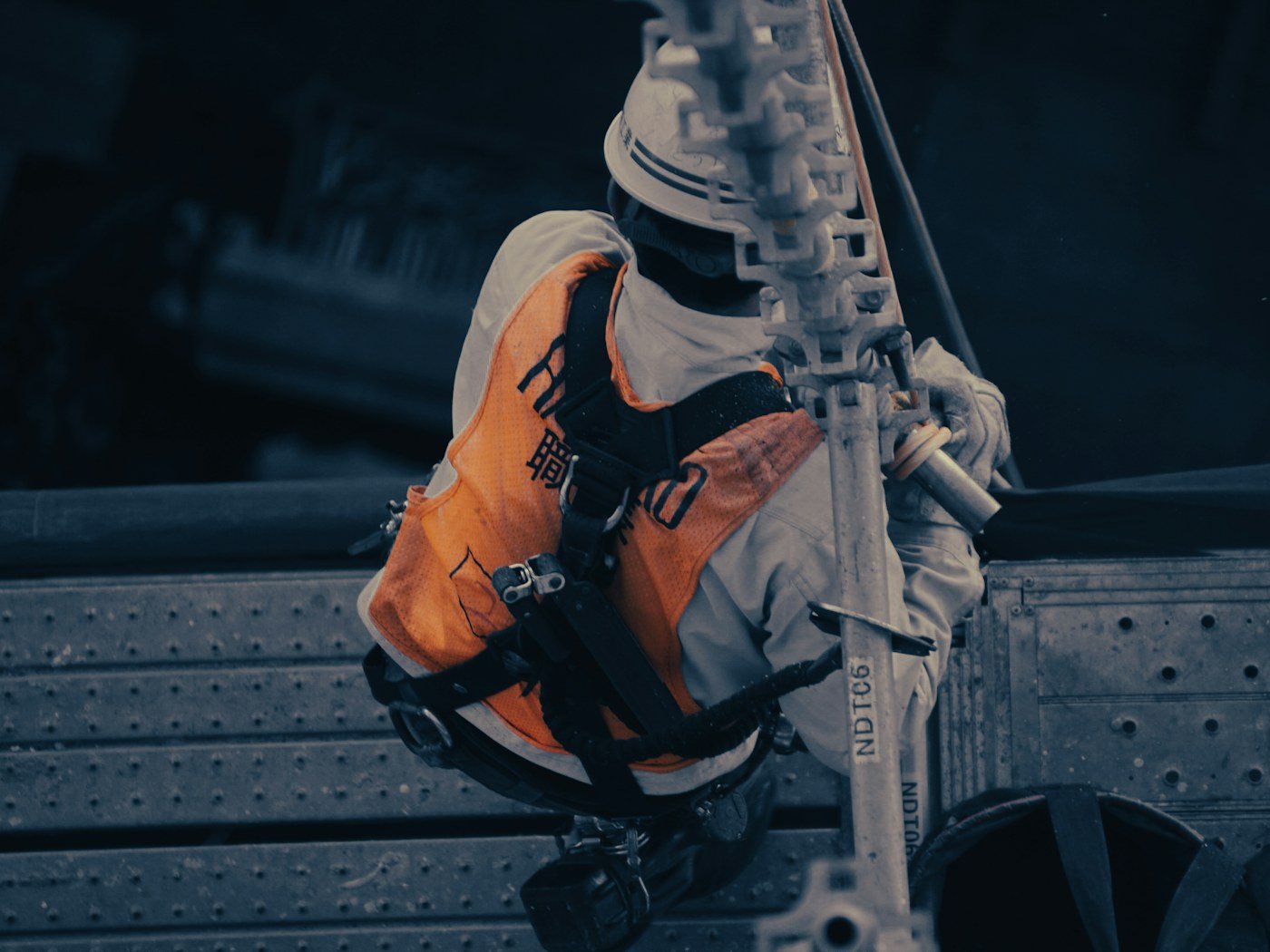
Self-Retracting Lifelines (SRL)
Self-retracting lifelines are fall-arrest devices that pay out and retract a webbing or cable line automatically, locking within centimetres…
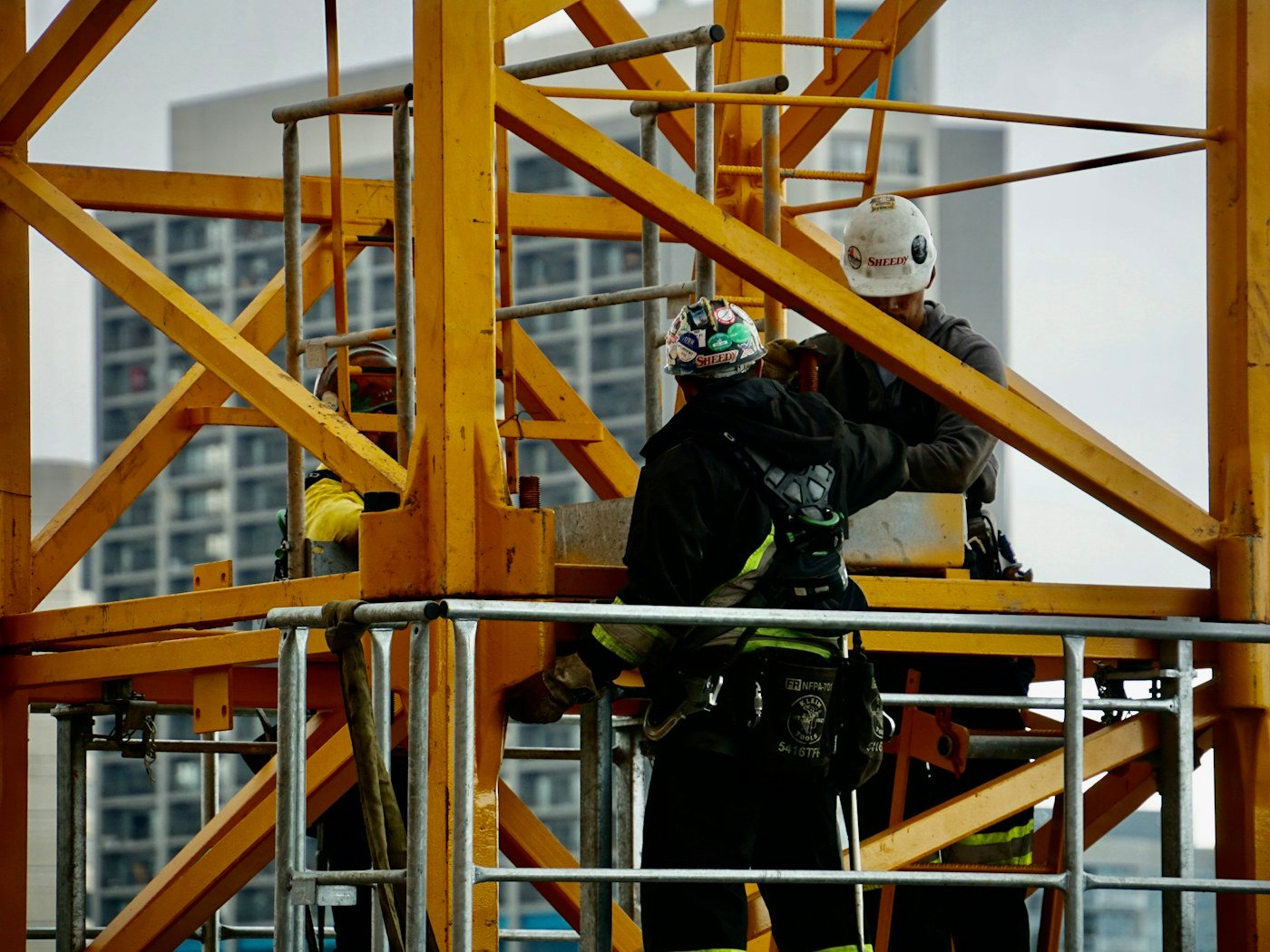
Full-Body Safety Harness
A full-body safety harness is a system of polyester webbing straps that fits around the shoulders, chest, pelvis and thighs and connects a w…
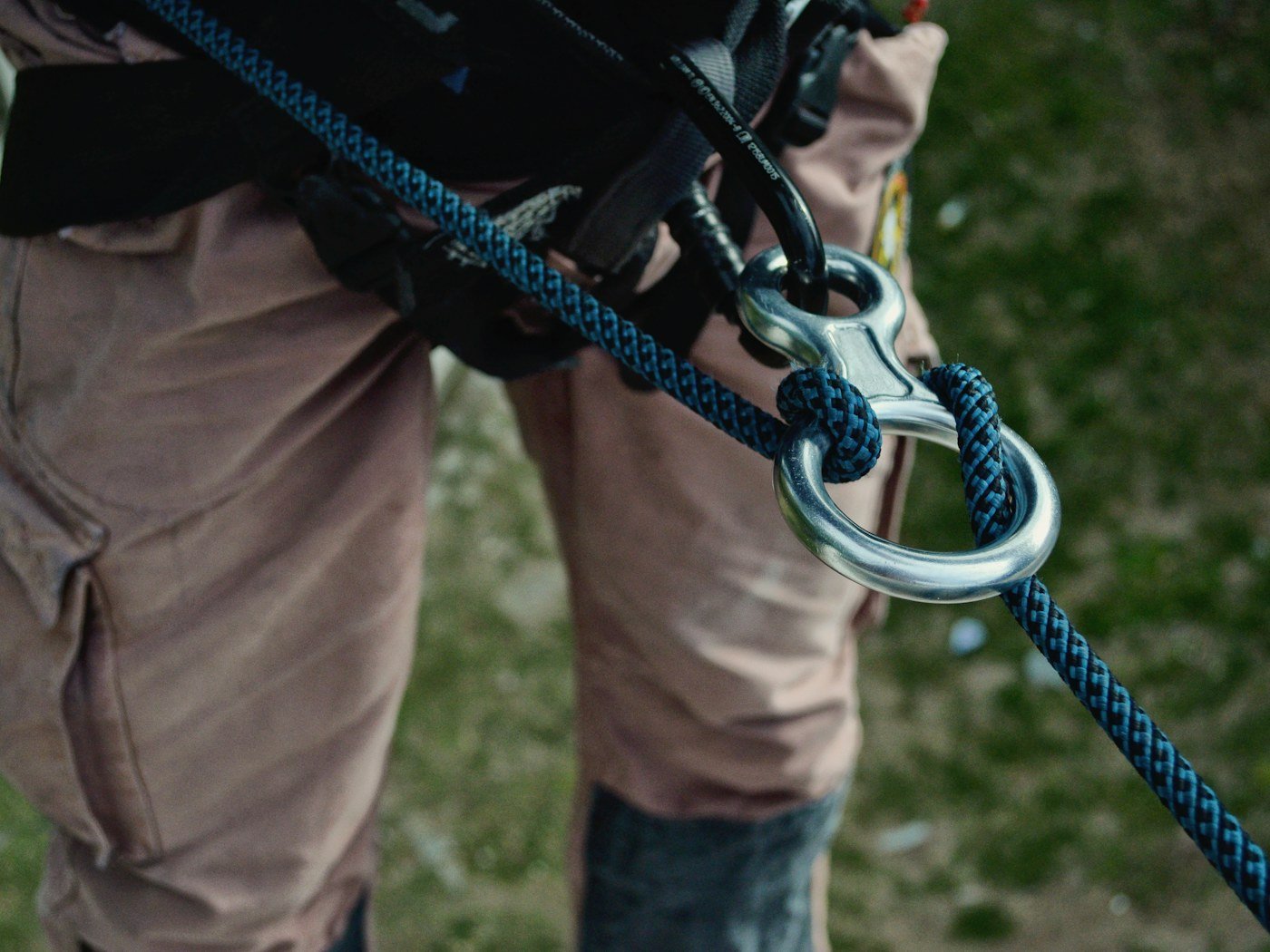
Lanyards (Restraint & Energy-Absorbing)
Safety lanyards are short webbing or rope connectors that link a full-body harness to an anchor point, either restraining a worker from reac…
Need Horizontal Lifelines & Engineered Anchors for your site?
Send us the quantity, sizes and delivery location, or the client standard you must meet, and we will return an itemised quotation with certificates within one working day.