


High visibility vest classes are defined by EN ISO 20471 according to the minimum area of fluorescent background material and retro-reflective tape on the garment: Class 1 offers the lowest level of conspicuity, Class 2 is the standard for most construction and logistics sites, and Class 3 is required where workers are exposed to traffic above about 60 km/h or work at night near moving plant. A typical sleeveless vest can achieve Class 2 at most; Class 3 needs sleeves or a jacket.
This guide explains what the classes mean, how EN ISO 20471 compares with the American ANSI/ISEA 107 standard, and which class UAE and Saudi authorities and clients generally expect.
Why high-visibility class matters on GCC sites
Struck-by incidents involving vehicles and mobile plant remain among the leading causes of serious injury on Gulf construction, port and road works. Dubai’s Roads and Transport Authority, Dubai Municipality and Abu Dhabi OSHAD all require hi-vis clothing for anyone working on or near live roads, and ADNOC and Saudi Aramco contractor requirements extend this to plant areas, laydown yards and night shifts. A garment that is the wrong class, has faded fluorescent fabric or has lost its reflectivity gives a false sense of protection.
EN ISO 20471 classes and minimum areas
EN ISO 20471 replaced EN 471 in 2013. It sets minimum visible areas for two materials: fluorescent background fabric (visible in daylight) and retro-reflective tape (visible when lit by headlights at night). The garment class is determined by whichever material has the smaller area.
| Class | Fluorescent background | Retro-reflective tape | Typical garment | Typical use |
|---|---|---|---|---|
| Class 1 | 0.14 m² | 0.10 m² | Harness-style bands, trousers alone | Low-speed yards, off-road, as part of a combination |
| Class 2 | 0.50 m² | 0.13 m² | Sleeveless vest, tabard, short-sleeve polo | Construction sites, warehouses, roads with lower traffic speeds |
| Class 3 | 0.80 m² | 0.20 m² | Long-sleeve jacket, vest with sleeves, coverall | Motorways, airports, ports, night work, rail |
Class 3 garments must also have sleeves with reflective bands, and the standard allows a Class 3 rating to be achieved by combining a Class 2 upper garment with Class 1 or 2 trousers, provided the combination is certified together. Fluorescent colours permitted are yellow, orange-red and red; the common choice in the Gulf is fluorescent orange for road work and yellow for construction.
ANSI/ISEA 107 and how it maps to EN ISO 20471
Many American-specified sites in Saudi Arabia and Qatar refer to ANSI/ISEA 107. It uses Performance Classes 1, 2 and 3 with similar area thresholds, plus garment Types: Type O (off-road), Type R (roadway) and Type P (public safety). Type R Class 2 is roughly equivalent to EN ISO 20471 Class 2, and Type R Class 3 to Class 3. Either standard is normally accepted by UAE and KSA clients if the label and test report are available; check the site HSE plan when both are cited.
Choosing the right vest or jacket
Match the class to the hazard, then choose the construction. Key points to compare:
- Fabric: polyester mesh is coolest in summer but snags; solid polyester knit holds fluorescence longer. Both should be labelled with the EN ISO 20471 pictogram and class number.
- Tape: 50 mm sewn-on retro-reflective tape with a coefficient of retro-reflection meeting Table 5 of the standard. Segmented tape improves breathability on jackets.
- Closure: hook-and-loop for quick removal if caught, or zip for a secure fit on jackets. Tear-away vests reduce entanglement risk near rotating machinery.
- Identification: ID pocket, printed company logo and role titles such as Banksman, Fire Warden or First Aider, which many sites colour-code.
- Weather: for Gulf winters, a Class 3 waterproof jacket with a detachable fleece lining covers November to March; for summer, a lightweight mesh Class 2 vest over a cotton coverall.
Common mistakes
The most frequent error is treating any orange vest as compliant. Cheap vests sold without a standard label frequently fail the minimum background area, have tape that reflects poorly, or use fluorescent dye that fades within weeks of Gulf sun exposure. Other mistakes include wearing a Class 2 vest for night roadworks, letting workers wear the vest open so that the front area no longer counts, and covering reflective tape with tool belts or harnesses. When a fall-arrest harness is worn, consider a hi-vis garment designed to go over the harness or a harness with integrated hi-vis webbing.
Inspection and replacement
Hi-vis garments lose performance gradually. Inspect them monthly against a new reference garment in daylight: if the fluorescent fabric looks noticeably dull, or if the reflective tape is cracked, delaminated or dirty beyond cleaning, replace it. Manufacturers usually state a maximum number of wash cycles on the label; 25 washes is common for budget vests, 50 or more for better ones. In Gulf conditions, a vest worn daily outdoors typically needs replacement every three to six months.
EN ISO 20471 sets three classes of high visibility clothing by visible area. Choose the EN ISO 20471 class from traffic speed and lighting. Check EN ISO 20471 labels for the wash limits before reissue.
Related guides: Type 3 vs Type 4 Chemical Suit: Which One Does Your Job Need? · Type 5 vs Type 6 Disposable Coveralls: Which Do You Need? · Best Cotton Coveralls for UAE Heat: 7 Factors to Check
Key takeaways: EN ISO 20471
- Class 2 is the minimum for most construction and logistics sites; Class 3 for high-speed roads, night work, airports and ports.
- A sleeveless vest cannot be Class 3; sleeves or a jacket are needed.
- ANSI/ISEA 107 Type R Class 2 and 3 are broadly equivalent to EN ISO 20471 Class 2 and 3.
- Check the label, the fluorescent colour and the tape; replace garments when faded or damaged.
- Keep vests closed and uncovered so the full certified area is visible.
Al Baraka Diyar stocks EN ISO 20471 high-visibility vests and jackets in Class 2 and Class 3, with logo printing for contractors in the UAE and Saudi Arabia. See the full safety products range, including safety signage, barrier tape and cones for traffic management, or contact us for a quotation.
En Iso 20471: practical summary
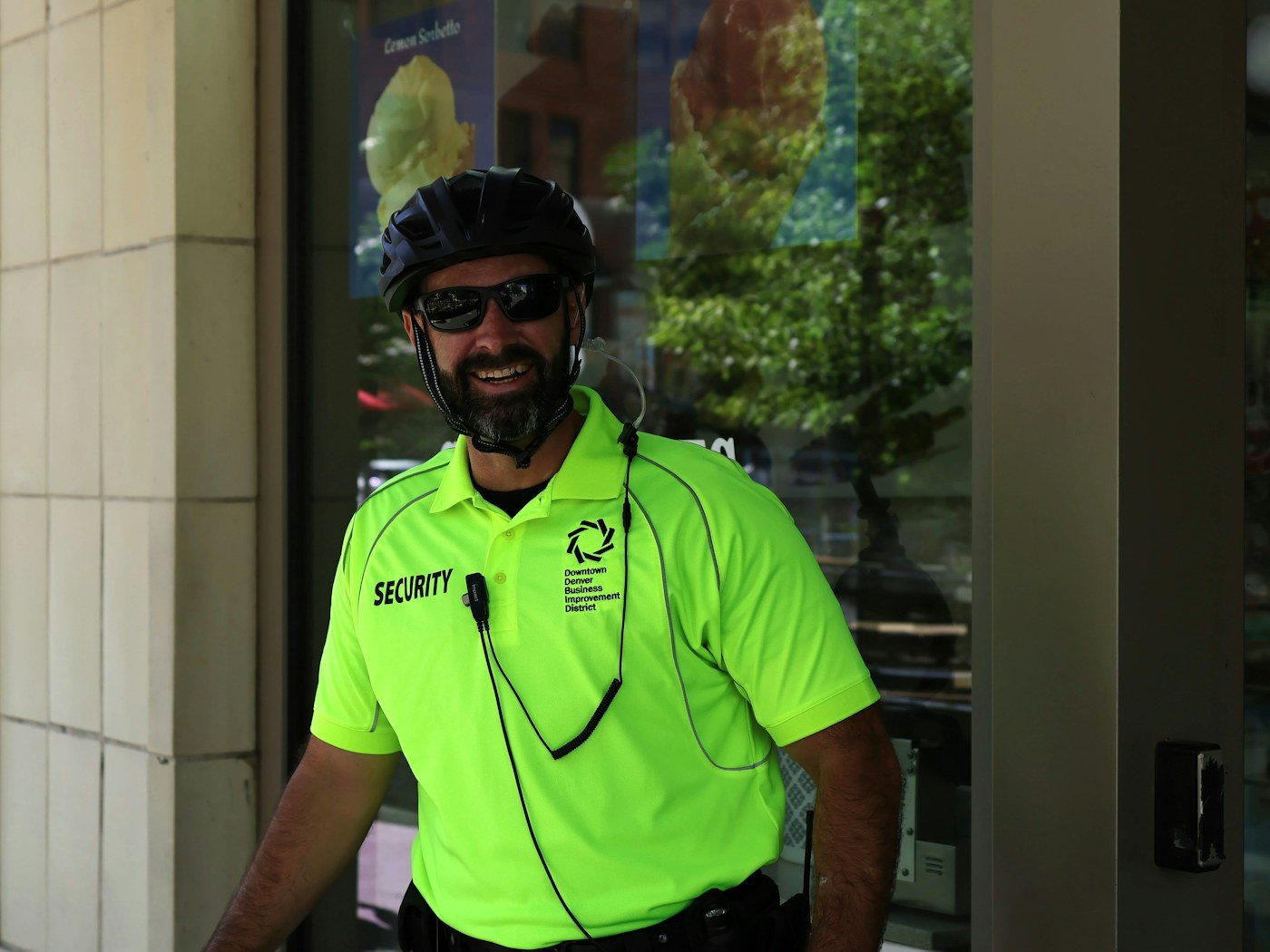
This guide to en iso 20471 is written for UAE work sites, and also applies to our service areas in Saudi Arabia and India. If you need help applying en iso 20471 on your site, our team can confirm the right option and supply certified stock from the safety products range, or you can request a quotation. For the underlying standards, see the International Organization for Standardization.
Frequently asked questions
What is the difference between Class 2 and Class 3 high visibility vests?
Class 2 requires at least 0.50 m² of fluorescent background and 0.13 m² of reflective tape, which a sleeveless vest can meet. Class 3 requires 0.80 m² and 0.20 m² respectively plus reflective sleeves, so it needs a jacket or sleeved vest and is used for high-speed traffic and night work.
Which hi-vis class is required on UAE construction sites?
Most UAE contractors and Dubai Municipality or OSHAD-regulated sites accept Class 2 for general construction and logistics work. Class 3 is normally required for roadworks on highways, airport airside, ports and any night work near moving plant, so check the site HSE plan.
How often should high visibility vests be replaced?
Replace a vest when the fluorescent fabric is visibly faded compared with a new one, when reflective tape is cracked or peeling, or when the maximum wash cycles on the label are reached. In Gulf sun and daily use this is usually every three to six months.