

Fall protection · Regular-use PPE
Safety Lanyards (Restraint & Energy-Absorbing) in UAE, KSA & India
Safety lanyards are short webbing or rope connectors that link a full-body harness to an anchor point, either restraining a worker from reaching a fall edge or absorbing energy to limit the force on the body if a fall occurs.
Site quantities · CE / ANSI certificates · Delivery across UAE, KSA & India
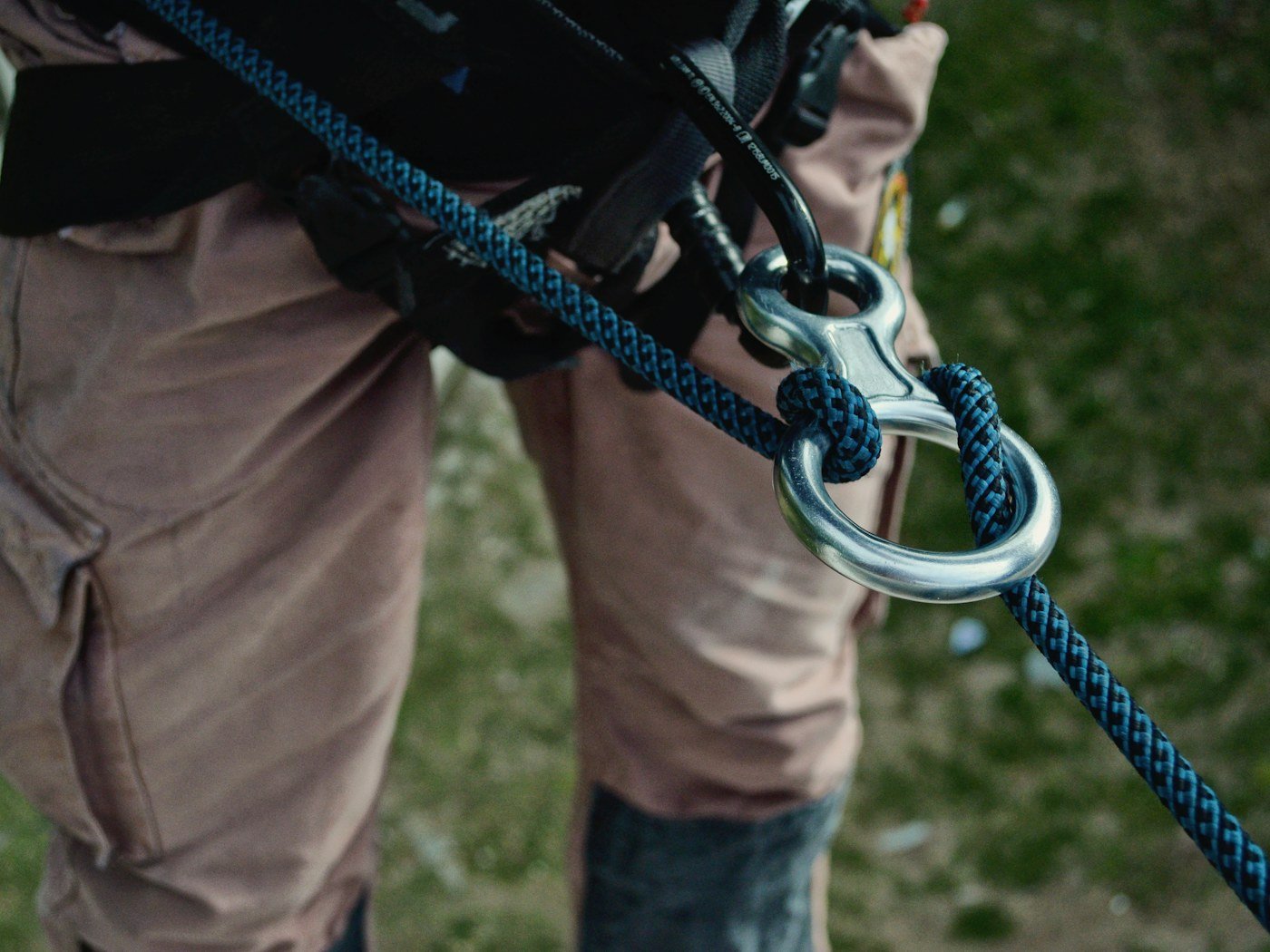
A lanyard is the link between the harness and the anchor. Restraint lanyards to EN 354 are fixed or adjustable lengths that stop a worker reaching an edge, while energy-absorbing lanyards to EN 355 include a tear-webbing shock pack that limits arrest force to 6 kN or less. Twin-leg (Y-shaped) versions let a worker stay connected while moving between anchor points, which is the basis of the 100% tie-off rule on most GCC oil and gas and construction sites.
Scaffolders, steel erectors, cladding teams, tower riggers and plant maintenance crews use lanyards every working day, and site HSE officers inspect them regularly. Al Baraka Diyar supplies restraint, energy-absorbing and twin-leg lanyards with scaffold hooks or carabiners, matched to the harnesses it sells, from Ajman to work sites in Dubai, Abu Dhabi, Sharjah and Fujairah, and to customers in Saudi Arabia and India.
Key features
- Energy absorber limits fall arrest force to under 6 kN in line with EN 355
- Twin-leg Y configuration for continuous attachment when changing anchors
- Large-opening 55–60 mm aluminium or steel scaffold hooks with double-action gates
- Elasticated webbing options reduce trailing and snagging
- Polyester webbing or 12 mm kernmantle rope with protective sheath on absorber
- Clear label with standard, length, serial number and manufacture date
Technical specifications
| Standards | EN 355 (energy-absorbing); EN 354 (restraint); EN 362 (connectors) |
|---|---|
| Alternative standard | ANSI/ASSP Z359.13 (energy-absorbing lanyards) |
| Length | 1.5 m or 2.0 m including absorber and connectors (EN maximum 2.0 m) |
| Webbing | 30 mm or 45 mm polyester, elasticated option |
| Connectors | Scaffold hook (55–60 mm), snap hook (18–20 mm), screw-gate or twist-lock carabiner |
| Minimum static strength | 15 kN (webbing); 22 kN (rope), connectors 22–25 kN |
| Rated user mass | 100 kg standard; 140 kg models available |
| Colours | Black, orange, yellow webbing |
| Packaging | Individually bagged; 10 or 20 per carton |
Variants available
- Single-leg energy-absorbing lanyard with scaffold hook
- Twin-leg energy-absorbing lanyard with two scaffold hooks
- Elasticated twin-leg lanyard
- Fixed-length restraint lanyard with carabiners
- Adjustable rope restraint and positioning lanyard
- Flame-resistant Kevlar lanyard for hot work
Brands we supply
Applications across GCC sites
scaffolding, formwork and steel erection with 100% tie-off
pipe racks, vessels and flare stacks under ADNOC and Aramco rules
perimeter edge work and mast climbers on towers
tower and pole climbing with twin-leg connection
restraint lanyards on roof-edge work
tanker-top loading and elevated conveyor maintenance
What site HSE teams expect
UAE codes from Dubai Municipality and Abu Dhabi OSHAD require fall arrest systems that limit arrest force and provide adequate clearance; an energy-absorbing lanyard needs roughly 6 to 6.5 m of free clearance below the anchor, so restraint lanyards or self-retracting lifelines are typically required on lower levels. Saudi Aramco CSM and ADNOC HSE standards mandate twin-leg lanyards for 100% tie-off and prohibit knotting, tying back or connecting hooks to each other unless the hook is rated for it.
Lanyards should be inspected before each use and formally by a competent person at least every six months, with records kept. Any lanyard whose absorber has deployed, or whose webbing is cut, burnt or UV-faded, is removed from service. Manufacturers typically state a five to ten year maximum life. Al Baraka Diyar provides CE certificates and instructions for use with every batch so documentation is ready for client audits.
How to choose
- Choose energy-absorbing when a fall is possible; choose restraint when workers can be kept from the edge
- Choose twin-leg for scaffolds, towers and any movement between anchors
- Choose scaffold hooks for tube and pipe anchors and carabiners for eyebolts and anchor slings
- Check available fall clearance before specifying a 2 m lanyard on low levels
Frequently asked questions
What is the difference between a restraint lanyard and an energy-absorbing lanyard?
A restraint lanyard (EN 354) stops the worker reaching a fall edge and has no shock absorber. An energy-absorbing lanyard (EN 355) is for fall arrest and contains a tear-out absorber that limits force on the body to under 6 kN. They are not interchangeable.
Why are twin-leg lanyards required on UAE and Saudi sites?
Twin-leg lanyards allow a worker to connect the second hook before releasing the first, maintaining 100% tie-off while moving. Saudi Aramco, ADNOC and most UAE main contractors require this on scaffolds, steel and towers. Unused legs should be parked on the harness, not clipped to each other.
How much clearance does a 2 m energy-absorbing lanyard need?
Allow lanyard length, absorber extension of up to 1.75 m, the worker height and a safety margin, which typically totals around 6 to 6.5 m below the anchor. Where this clearance is not available, use a restraint lanyard or a self-retracting lifeline instead.
How often should lanyards be replaced?
Replace immediately after any fall or when webbing is cut, frayed, burnt, chemically stained or faded. Formal inspections are typically six-monthly. Under Gulf UV exposure, lanyards in daily outdoor use are commonly replaced every two to three years, within the manufacturer maximum life.
Can you supply lanyards and harnesses as a kit?
Yes. Al Baraka Diyar supplies matched harness and twin-leg lanyard kits, with or without a storage bag, and provides matching certificates. Kits are stocked in Ajman for rapid delivery across Dubai and Abu Dhabi and shipped in bulk quantities to Saudi Arabia and India.
Quote for Lanyards (Restraint & Energy-Absorbing)
Tell us quantity, sizes and delivery location. We reply with an itemised quotation and certificates within one working day.
Related safety products
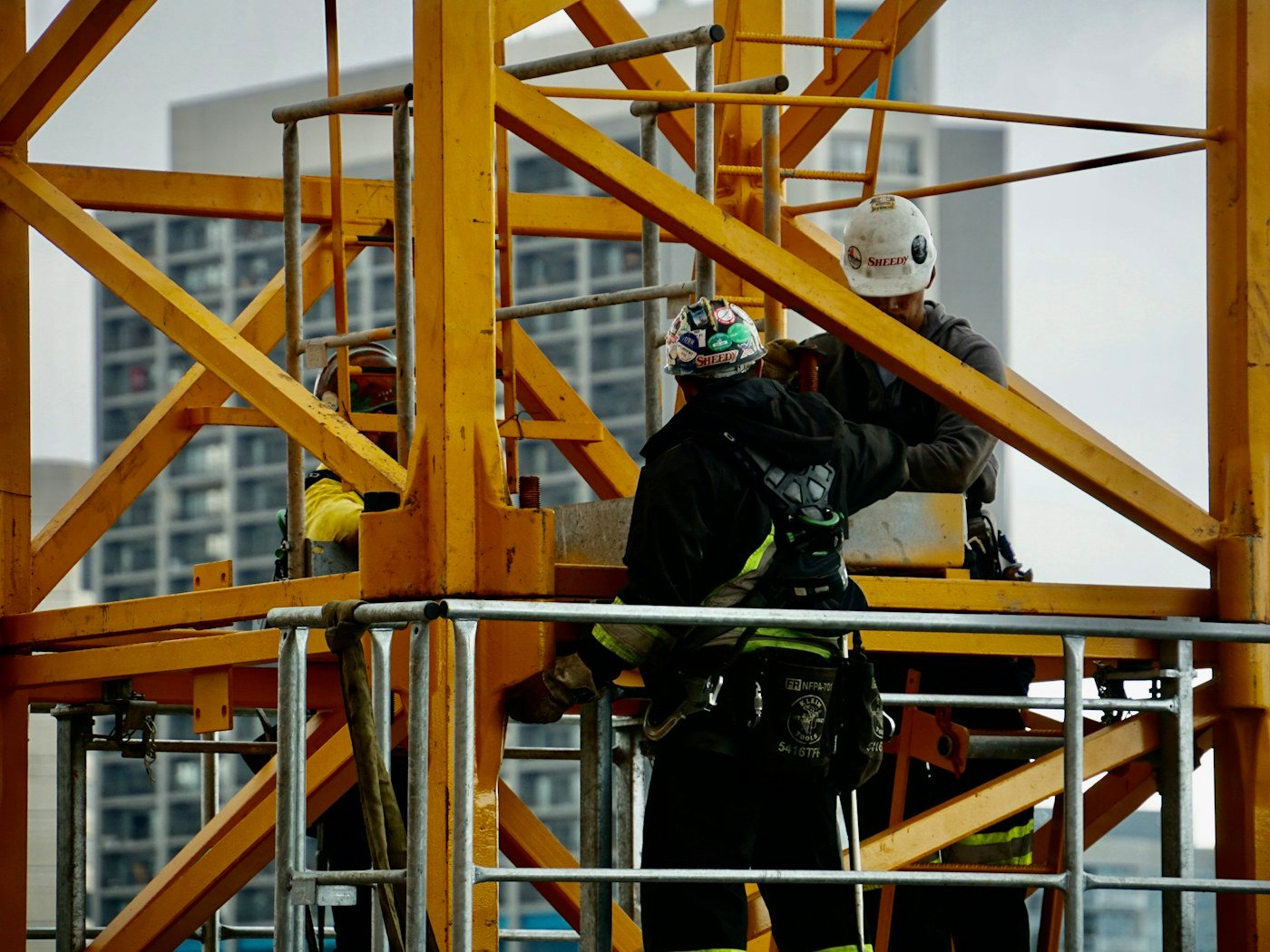
Full-Body Safety Harness
A full-body safety harness is a system of polyester webbing straps that fits around the shoulders, chest, pelvis and thighs and connects a w…
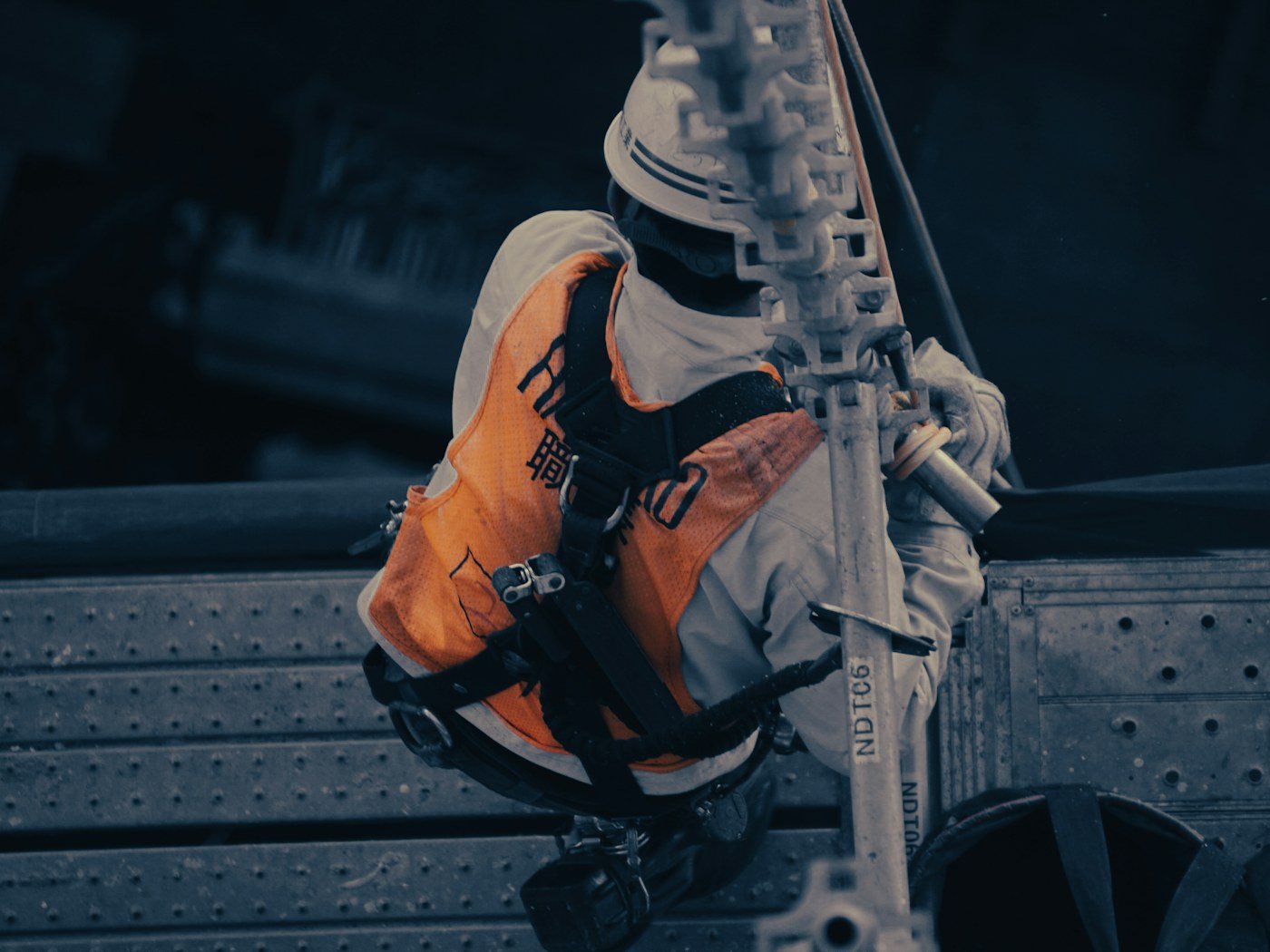
Self-Retracting Lifelines (SRL)
Self-retracting lifelines are fall-arrest devices that pay out and retract a webbing or cable line automatically, locking within centimetres…

Horizontal Lifelines & Engineered Anchors
Horizontal lifelines are tensioned webbing or cable systems fixed between two or more anchors that let workers connect their harness and mov…
Need Lanyards (Restraint & Energy-Absorbing) for your site?
Send us the quantity, sizes and delivery location, or the client standard you must meet, and we will return an itemised quotation with certificates within one working day.