

Respiratory protection · Regular-use PPE
Half-Mask Reusable Respirators in UAE, KSA & India
Half-mask reusable respirators are elastomeric facepieces certified to EN 140 that cover the nose and mouth and accept replaceable gas, vapour or particulate filters certified to EN 14387 and EN 143, giving an assigned protection factor of about 10 against organic vapours, acid gases, ammonia and dusts.
Site quantities · CE / ANSI certificates · Delivery across UAE, KSA & India
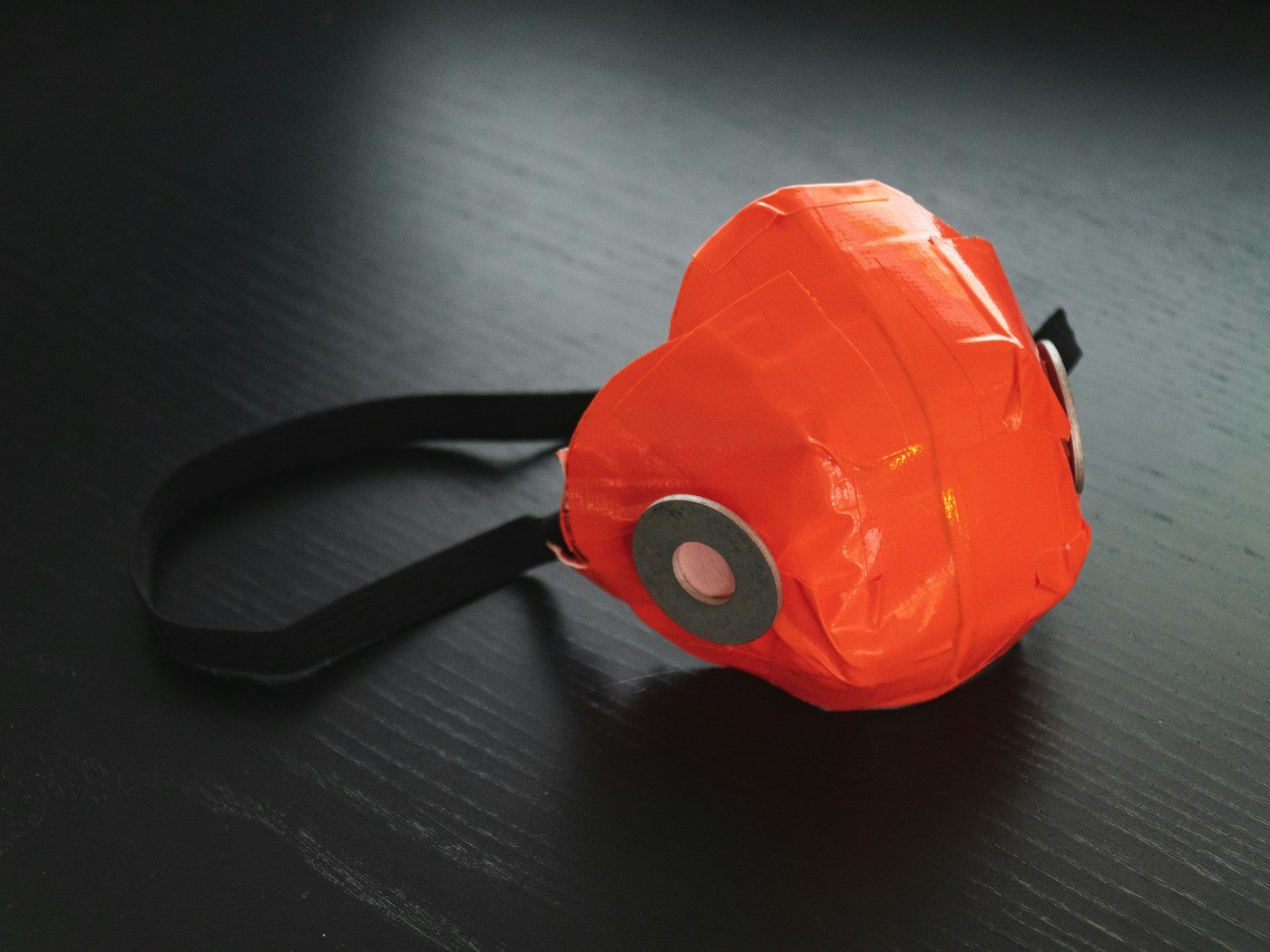
Half-mask respirators are the reusable step up from disposable dust masks. A silicone or thermoplastic elastomer (TPE) facepiece seals around the nose and mouth, and twin bayonet or threaded filters are chosen for the hazard: A for organic vapours, B for inorganic gases, E for acid gases, K for ammonia, and P1 to P3 for particulates, or combined ABEK-P3 filters. The exhalation valve and low breathing resistance make them practical for painting, chemical handling and dusty maintenance work in Gulf heat.
Painters, blasters, chemical handlers, pesticide applicators, laboratory staff and turnaround maintenance crews across the UAE, with service to Saudi Arabia and India depend on half-mask respirators where particulate masks are insufficient. Al Baraka Diyar supplies half masks, bayonet filters, pre-filters and retainers, cleaning wipes and storage boxes in site quantities across Ajman, Dubai, Abu Dhabi and the Eastern Province, with EN 140, EN 14387 and EN 143 certificates for HSE submission.
Key features
- Silicone or TPE facepiece certified to EN 140 with soft, wide sealing edge
- Twin bayonet filter connection for balanced weight and a clear field of view
- Accepts EN 14387 gas filters (A, B, E, K, ABEK) and EN 143 P2/P3 particulate filters
- Low-profile exhalation valve directs moist air downwards, away from eyewear
- Cradle head harness with quick-release buckles for drop-down wear between tasks
- Dishwasher-safe components and replaceable valves for long service life
Technical specifications
| Standards | EN 140:1998 facepiece; EN 14387 gas/combined filters; EN 143 particulate filters; NIOSH 42 CFR 84 on request |
|---|---|
| Facepiece material | Silicone (premium) or TPE/thermoplastic rubber |
| Filter connection | Twin bayonet; single EN 148-1 threaded option |
| Filter types | A1, A2, ABEK1, A2P3, ABEK1P3, P3 R; pre-filters and retainers |
| Assigned protection factor | Typically 10 (half mask with P3 or gas filter) under UK HSE guidance |
| Sizes | Small, medium, large |
| Weight | Approx. 100–150 g without filters |
| Service life | Facepiece typically 3–5 years; filters per change schedule or breakthrough |
| Packaging | Individually boxed; filters in pairs; 10–20 masks per carton |
Variants available
- TPE half mask with A2P3 filters for spray painting
- Silicone half mask with ABEK1P3 combined filters
- Half mask with P3 R particulate filters only
- Single-filter threaded half mask for narrow spaces
- Half mask starter kit with filters, pre-filters and storage box
- Welding fume kit with P3 filters and flame-resistant cover
Brands we supply
Applications across GCC sites
tank cleaning support, chemical dosing and turnaround maintenance on Aramco and ADNOC sites (below IDLH levels)
spray painting, solvent-based coatings, sealants and epoxy flooring
blasting support, galvanising, battery rooms and pesticide application
pest control, chemical cleaning and waste handling
chlorine and chemical handling at water treatment plants
chemical warehouses and drum decanting in Jebel Ali, Ajman and Dammam
What site HSE teams expect
UAE federal regulations, Dubai Municipality guidance and Abu Dhabi OSHAD codes require respiratory protection selected from a documented risk assessment, with gas and vapour hazards requiring EN 140 half masks and appropriate EN 14387 filters rather than disposable dust masks. Saudi Aramco CSM and ADNOC HSE standards typically require quantitative or qualitative face-fit testing, a clean-shaven policy and a written filter change schedule for tight-fitting respirators.
Buyers commonly request CE certificates for the facepiece and for each filter type, together with filter data sheets. Facepieces are cleaned after every shift, inspected for cracked valves and perished seals, and replaced typically every 3–5 years. Gas filters are changed on schedule or at the first sign of odour or taste, and particulate filters when breathing resistance rises. Half masks are not used in oxygen-deficient or IDLH atmospheres.
How to choose
- Identify the contaminant first: A for solvents and paints, ABEK for mixed chemicals, P3 for fine dust and welding fume, combined filters where both occur
- Choose silicone facepieces for daily wearers and long shifts; TPE for occasional use and lower cost
- Size the mask (S/M/L) through face-fit testing rather than issuing one size to all workers
- Standardise on one filter connection across the site so cartridges are interchangeable
Frequently asked questions
What is the difference between a half mask and a disposable FFP2 mask?
A disposable FFP2 mask filters particles only and is thrown away after a shift. An EN 140 half mask is a reusable facepiece that takes replaceable gas, vapour and particulate filters, so it protects against solvents, acid gases and ammonia as well as dust, at a similar protection factor of about 10.
Which filter do I need for spray painting in the UAE?
Solvent-based paints usually need an A2P3 combined filter: A2 for organic vapours with a boiling point above 65 °C and P3 for paint mist. Water-based paints may need P3 only. Confirm the solvent in the safety data sheet and follow ADNOC or Aramco filter change schedules where applicable.
How often should half mask filters be changed?
Gas filters are changed according to a written schedule based on contaminant concentration and usage hours, or immediately if odour or taste is detected. Particulate filters are changed when breathing becomes harder. In hot, humid Gulf conditions, activated carbon filters typically saturate faster and schedules are shortened.
Is face-fit testing required for half mask respirators?
Yes. Half masks are tight-fitting respirators, and UAE, Saudi Aramco and ADNOC HSE procedures commonly require fit testing before first use and when the mask model changes. Wearers must be clean-shaven in the seal area, and a user seal check is performed before every use.
Can half masks be used in confined spaces or for H2S?
No. Half masks are air-purifying and cannot be used in oxygen-deficient atmospheres or where H2S may reach IDLH levels. For confined-space entry and H2S areas on oil and gas sites, supplied-air respirators, SCBA or emergency escape breathing devices are required instead.
Quote for Half-Mask Reusable Respirators
Tell us quantity, sizes and delivery location. We reply with an itemised quotation and certificates within one working day.
Related safety products
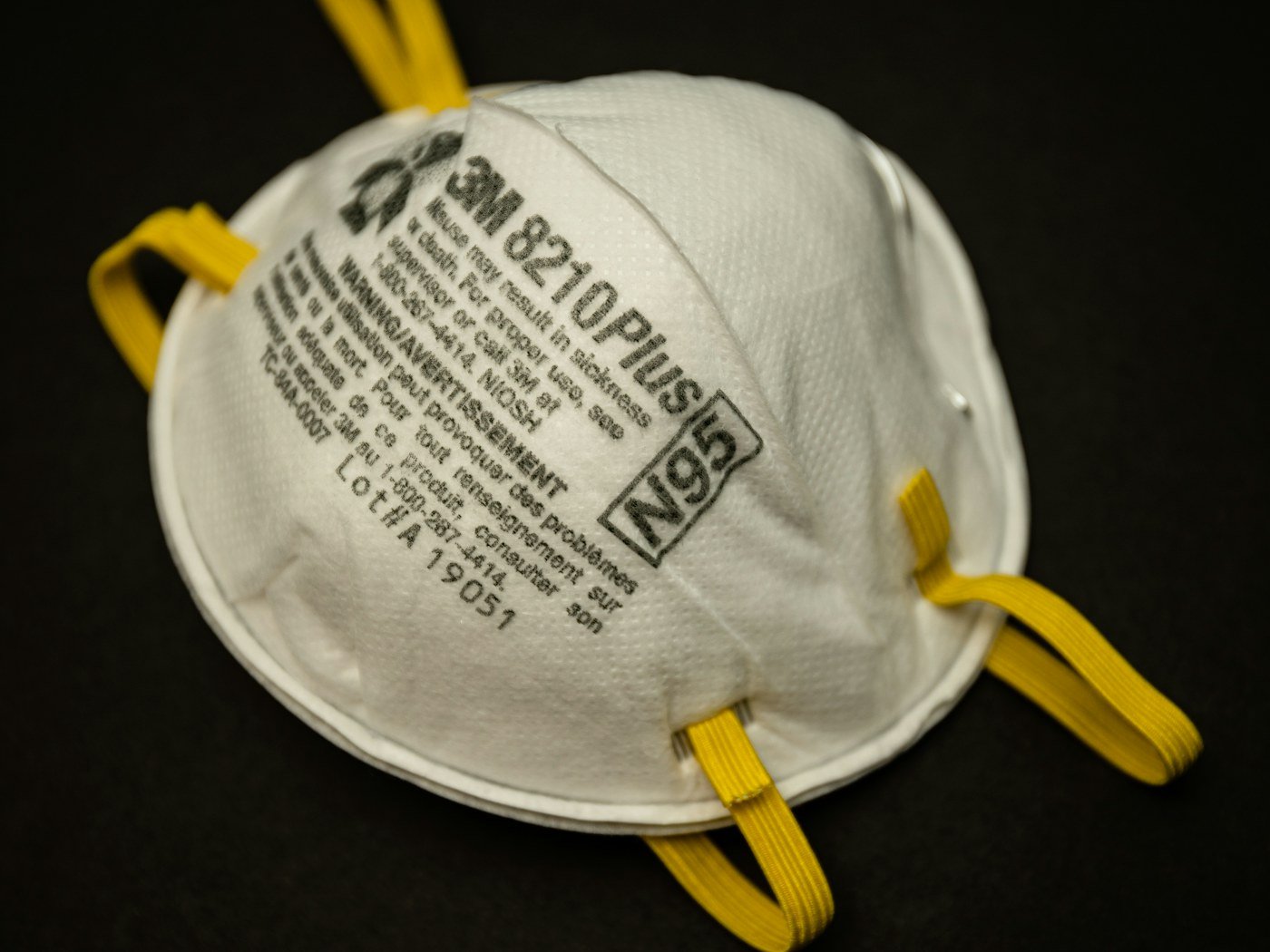
Disposable Respirators (FFP2 / FFP3 / N95)
Disposable respirators are single-use filtering facepieces certified to EN 149 (FFP1, FFP2, FFP3) or NIOSH 42 CFR 84 (N95, N99, P100) that f…
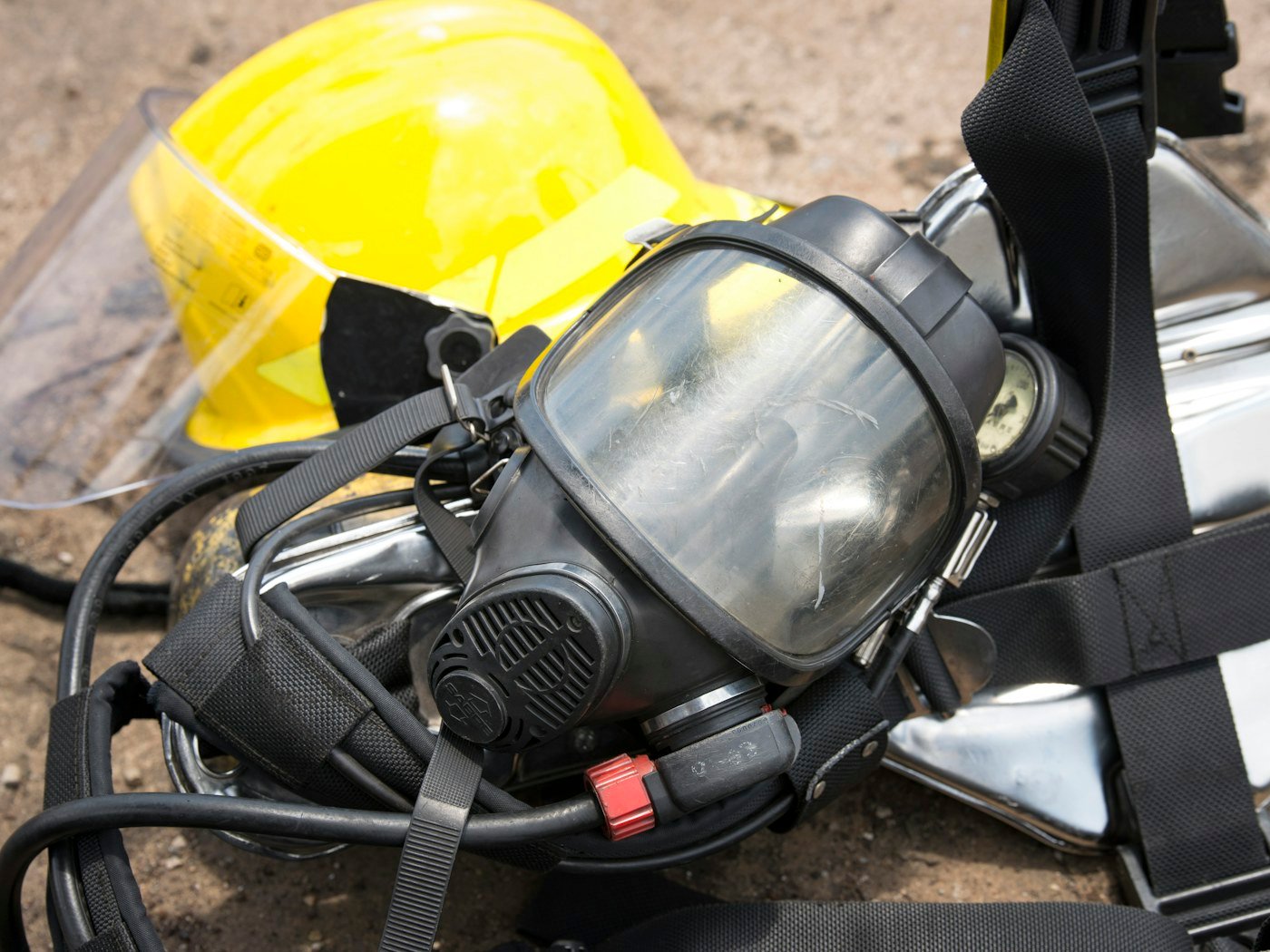
Full-Face Reusable Respirators
Full-face reusable respirators are tight-fitting masks that cover the eyes, nose and mouth and filter contaminated air through replaceable g…

Chemical-Resistant Gloves
Chemical-resistant gloves are unsupported or supported polymer gloves made from nitrile, neoprene, PVC, butyl or laminate film that resist p…
Need Half-Mask Reusable Respirators for your site?
Send us the quantity, sizes and delivery location, or the client standard you must meet, and we will return an itemised quotation with certificates within one working day.