

Respiratory protection · Regular-use PPE
Disposable Respirators (FFP2, FFP3, N95) in UAE, KSA & India
Disposable respirators are single-use filtering facepieces certified to EN 149 (FFP1, FFP2, FFP3) or NIOSH 42 CFR 84 (N95, N99, P100) that filter airborne dust, mist and fume particles, protecting the wearer at assigned protection factors of about 4, 10 and 20 for FFP1, FFP2 and FFP3 respectively.
Site quantities · CE / ANSI certificates · Delivery across UAE, KSA & India
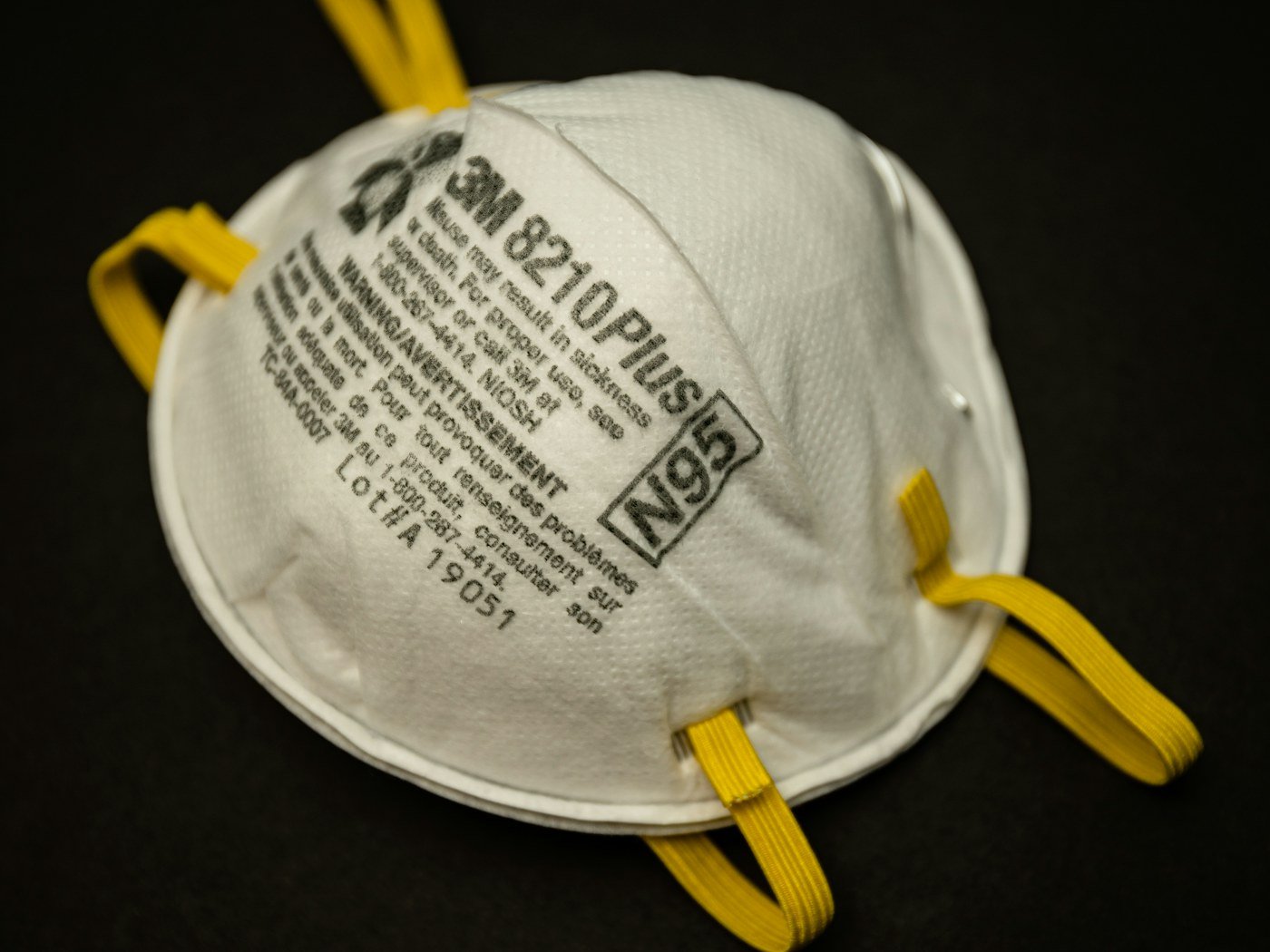
Disposable respirators, often called dust masks, are filtering facepieces in which the whole mask body is the filter. EN 149 classifies them as FFP1 (at least 80 percent filtration), FFP2 (94 percent) and FFP3 (99 percent), with NIOSH N95 broadly comparable to FFP2. Cup-style and fold-flat designs with exhalation valves reduce heat and moisture build-up, which matters for long shifts in UAE and Saudi summer conditions. The NR marking means single-shift use; R means reusable for more than one shift.
Cement and concrete workers, grinders, painters, insulation installers, demolition crews, cleaners and sandblasting support teams use disposable respirators across GCC sites, alongside healthcare and facilities staff. Al Baraka Diyar supplies FFP1, FFP2, FFP3 and N95 respirators, valved and unvalved, with activated carbon layers for nuisance odours, in carton quantities across the UAE (Ajman, Dubai, Abu Dhabi), Saudi Arabia and India, with CE and NIOSH documentation.
Key features
- EN 149 FFP2 or FFP3 filtration (94 or 99 percent) against fine dust, mists and metal fume
- Exhalation valve lowers breathing resistance and heat build-up in Gulf temperatures
- Cup or fold-flat shells with adjustable nose clip and foam nose seal for fit
- Latex-free elastic head straps or adjustable straps on premium models
- Activated carbon layer option for nuisance organic vapours and welding odours
- NR (single shift) and R (reusable) versions, individually wrapped on request
Technical specifications
| Standards | EN 149:2001+A1:2009 FFP1/FFP2/FFP3; NIOSH 42 CFR 84 N95; GB 2626 KN95 on request |
|---|---|
| Filtration efficiency | FFP1 80 percent; FFP2 94 percent; FFP3 99 percent; N95 95 percent |
| Assigned protection factor | Typically 4 (FFP1), 10 (FFP2), 20 (FFP3) under UK HSE guidance |
| Style | Cup, horizontal fold-flat or vertical fold-flat |
| Valve | With or without exhalation valve |
| Marking | NR (non-reusable) or R (reusable); D (dolomite clogging test) optional |
| Sizes | One size; small and large on selected models |
| Shelf life | Typically 3–5 years from manufacture in sealed packaging |
| Packaging | 10–20 per box; 120–240 per carton |
Variants available
- FFP1 unvalved dust mask
- FFP2 NR D valved cup respirator
- FFP2 fold-flat respirator, individually wrapped
- FFP3 valved respirator for silica and fine dust
- FFP2 with activated carbon layer for nuisance vapours
- NIOSH N95 respirator for US-spec sites
Brands we supply
Applications across GCC sites
concrete cutting, drilling, demolition and cement handling on UAE and KSA sites
insulation removal, catalyst handling and turnaround cleaning on Aramco and ADNOC facilities
grinding, welding fume (FFP2/FFP3), powder handling and woodworking
desert dust during installation and panel cleaning
infection control and cleaning in hospitals and labour accommodation
grain, fertiliser and powder warehouses
What site HSE teams expect
UAE federal regulations, Dubai Municipality guidance and Abu Dhabi OSHAD codes require respiratory protection selected on the basis of a risk assessment, with FFP2 commonly specified for construction dust and FFP3 for silica, lead and other high-hazard particulates. Saudi Aramco CSM and ADNOC HSE standards typically require EN 149 or NIOSH approved respirators, face-fit testing for tight-fitting masks and a clean-shaven policy for wearers.
Buyers commonly request CE certificates to EN 149 with the notified-body number printed on the mask, or NIOSH approval numbers (TC-84A) for N95. NR masks are discarded after a single shift or when breathing resistance rises; R masks may be reused if stored cleanly. Masks are not suitable for gases, vapours or oxygen-deficient atmospheres, where half-mask or supplied-air respirators are required.
How to choose
- Choose FFP2 for general dust and welding fume, FFP3 for silica, asbestos-type fibres, lead and pharmaceutical powders
- Specify valved masks for hot, physical work to reduce heat and moisture inside the mask
- Check the mask is marked NR D if work is dusty and long, for clogging resistance
- Confirm face-fit testing requirements and offer two or three shapes so every worker achieves a seal
Frequently asked questions
What is the difference between FFP2 and N95?
FFP2 is certified to the European EN 149 standard with 94 percent filtration, while N95 is the US NIOSH classification with 95 percent filtration. They are broadly equivalent for dust protection; UAE and Saudi sites usually accept either, with EN 149 the more common specification in GCC tenders.
Is an FFP2 respirator enough for cement and concrete dust?
FFP2 is the usual minimum for general construction dust and cement handling. Where respirable crystalline silica is generated, such as dry cutting or grinding concrete and blocks, FFP3 is typically specified by UAE contractors and Aramco and ADNOC HSE teams because of the lower exposure limit.
How long can a disposable respirator be worn?
Masks marked NR are for a single shift of up to eight hours and are then discarded. Masks marked R can be reused across shifts if stored cleanly. Any mask is replaced when it becomes damaged, wet, contaminated or hard to breathe through.
Do workers need face-fit testing for disposable respirators?
Yes. Disposable respirators are tight-fitting, so fit testing is commonly required by UAE and Saudi HSE procedures, particularly on ADNOC and Aramco sites. Wearers must be clean-shaven where the mask seals, and a user seal check is performed each time the mask is put on.
What affects the price of FFP2 respirators in bulk?
Valves, fold-flat versus cup design, individual wrapping, carbon layers and brand drive the price. Unvalved fold-flat FFP2 masks cost least; valved FFP3 cup masks cost most. Al Baraka Diyar supplies carton quantities across the UAE, with service to Saudi Arabia and India with certificates included.
Quote for Disposable Respirators (FFP2 / FFP3 / N95)
Tell us quantity, sizes and delivery location. We reply with an itemised quotation and certificates within one working day.
Related safety products
Half-Mask Reusable Respirators
Half-mask reusable respirators are elastomeric facepieces certified to EN 140 that cover the nose and mouth and accept replaceable gas, vapo…

Safety Goggles
Safety goggles are sealed protective eyewear with an elastic headband and vented or unvented frame, certified to EN 166 with field-of-use ma…

Disposable Coveralls (Type 5/6)
Disposable coveralls are single-use hooded protective suits made from non-woven or microporous film fabric that shield workers from dust, dr…
Need Disposable Respirators (FFP2 / FFP3 / N95) for your site?
Send us the quantity, sizes and delivery location, or the client standard you must meet, and we will return an itemised quotation with certificates within one working day.