


In the ear muffs vs ear plugs for construction debate, muffs win on consistency and supervision, plugs win on comfort in heat and compatibility with other PPE, and the best sites use both according to task. Ear muffs certified to EN 352-1 (headband) or EN 352-3 (helmet-mounted) deliver a predictable attenuation every time they are put on, while ear plugs to EN 352-2 depend heavily on how well they are inserted. Al Baraka Diyar supplies both, and this guide compares them across six factors that matter on UAE, Saudi and Indian construction works.
Why the choice matters on GCC construction sites
Dubai Municipality, OSHAD-SF and Saudi Aramco’s Construction Safety Manual all require hearing protection where daily exposure reaches 85 dB(A), and ADNOC HSE standards require hearing protection zones to be designated and signed. Piling, concrete breaking, grit blasting, generators and rebar cutting all exceed that level. The question is not whether to protect but which device workers will actually keep on for a ten-hour shift in 45 °C heat, because protection that is removed for twenty minutes in 100 dB(A) noise uses up most of the daily allowance.
The six factors compared
| Factor | Ear muffs (EN 352-1 / 352-3) | Ear plugs (EN 352-2) |
|---|---|---|
| 1. Attenuation (SNR) | Typically 25–35; consistent every wear | Foam 33–37, moulded 24–30; highly fit-dependent |
| 2. Heat and sweat | Cups trap heat; cushions become uncomfortable in summer | Cool; nothing on the head |
| 3. Helmet and PPE compatibility | Helmet-mounted versions clip to 30 mm slots; headband types clash with helmets and spectacles | Compatible with helmets, goggles, respirators and visors |
| 4. Supervision | Visible from a distance; easy to enforce | Hard to see; cannot tell if correctly inserted |
| 5. Hygiene | Reusable; cushions replaced every six months | Foam is single use; dirty hands cause ear infections |
| 6. Cost over a year | Higher upfront, low ongoing | Low upfront, continuous consumable spend |
Factor 1: attenuation and the real-world gap
Laboratory SNR for a foam plug is often higher than for a muff, but field measurements show plugs frequently achieve only half their rating because of shallow insertion. Muffs lose attenuation too, mainly from spectacle arms and helmet suspensions breaking the cushion seal, but the loss is smaller and more predictable. For a site that cannot run fit-testing, muffs give the HSE team more confidence that the stated protection is being achieved. See our ear plugs guide for how to calculate protected exposure.
Factor 2: heat, humidity and the summer shift
This is where plugs pull ahead in the GCC. Ear muff cushions sit against the skin and trap sweat, and by mid-morning in July many workers push them off one ear. Foam-filled cushions with moisture-wicking covers and lightweight cups help, as do dielectric vented cup designs, but nothing fully solves it. Issue plugs for continuous summer exposure and reserve muffs for intermittent high-noise tasks such as operating a breaker or standing by a piling rig. The UAE midday break (15 June to 15 September, 12:30 to 15:00) takes the worst hours out, but mornings on the coast remain humid.
Factor 3: compatibility with helmets, visors and respirators
On construction sites the helmet is always worn, so headband muffs are rarely practical and helmet-mounted muffs to EN 352-3 are the standard. They must be tested with the specific helmet model; the certificate names the compatible shells. For workers who also wear a half-mask respirator or a face shield, muff cups often clash with the strap or browguard and plugs become the practical option.
Factor 4: supervision and compliance
A supervisor can see from fifty metres whether a crew is wearing muffs. Plugs are invisible under a helmet and a visible plug tip does not prove correct insertion. For transient labour or high-turnover crews, muffs are easier to enforce. Brightly coloured cups and corded plugs in a contrasting colour both help.
Factor 5: hygiene in dusty conditions
Cement, gypsum and sand on the hands transfer to foam plugs and cause otitis externa. Moulded plugs can be washed but rarely are. Muffs avoid the ear canal entirely and are the better choice where hand-washing facilities are limited. Replace cushions and foam inserts every six months or when the cushion hardens.
Factor 6: cost
A pair of helmet-mounted muffs costs more than a box of foam plugs, but a worker uses two to three foam pairs per day. Over a twelve-month contract the muff is usually cheaper per worker if hygiene kits are replaced on schedule. Reusable moulded plugs sit between the two.
When to use both together
Dual protection is required above about 105 dB(A), common near piling hammers, abrasive blasting and jet-washing. Insert plugs first, then fit muffs; the combined attenuation is roughly the higher single SNR plus 5 dB.
Common mistakes
- Fitting headband muffs over a helmet with the band stretched over the shell.
- Using helmet-mounted muffs with a helmet not named on the certificate.
- Leaving muffs in the parked position on the helmet during noisy tasks.
- Never replacing cushions, which harden and leak.
- Issuing plugs without training on insertion.
The ear muffs vs ear plugs choice depends on noise level, heat and duration. Offer both options in the ear muffs vs ear plugs decision where possible. Train workers on fit for either side of ear muffs vs ear plugs.
Related guides: Ear Plug SNR Rating Explained: Picking the Right Attenuation · Rebar Impalement Protection Requirements: 6 Rules for GCC Sites · Lockout Tagout Procedure Steps: The 8-Step Guide for GCC Plants
Key takeaways: Ear Muffs vs Ear Plugs
- Muffs give consistent, supervisable protection; plugs give comfort and compatibility.
- Use helmet-mounted EN 352-3 muffs on construction sites, certified with the helmet model.
- Prefer plugs for continuous summer exposure and where respirators or visors are worn.
- Dual protection above 105 dB(A).
- Replace muff hygiene kits every six months and train plug insertion.
Al Baraka Diyar supplies headband and helmet-mounted ear muffs with replacement hygiene kits, alongside foam and moulded plugs, to contractors across the UAE, with service to KSA and India. View our industrial ear muffs and helmet-mounted ear defenders, browse the complete safety products catalogue, or contact us for bulk pricing.
Ear Muffs Vs Ear Plugs: practical summary
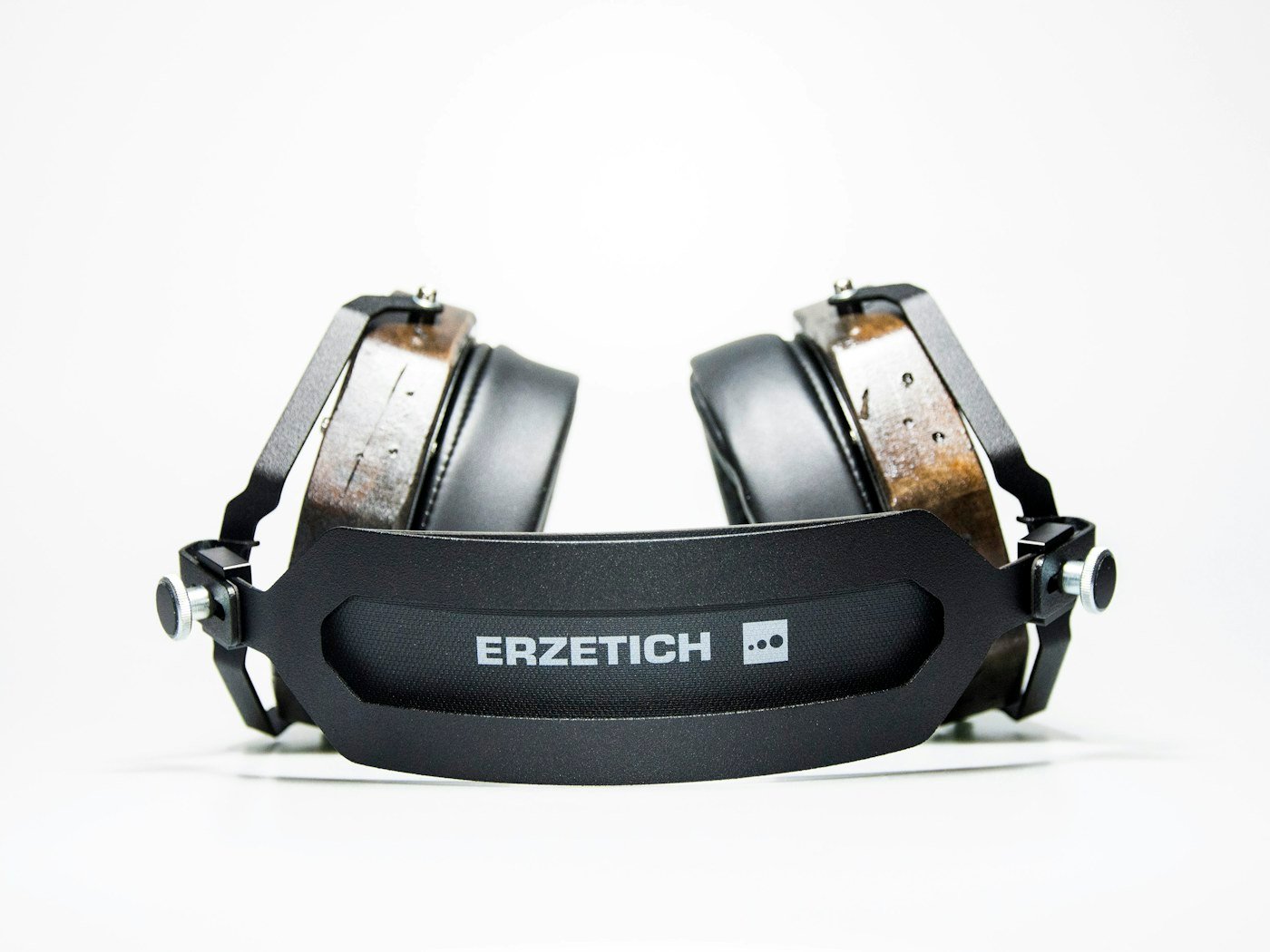
This guide to ear muffs vs ear plugs is written for UAE work sites, and also applies to our service areas in Saudi Arabia and India. If you need help applying ear muffs vs ear plugs on your site, our team can confirm the right option and supply certified stock from the safety products range, or you can request a quotation. For the underlying standards, see the International Organization for Standardization.
Frequently asked questions
Which is better for construction, ear muffs or ear plugs?
Neither is universally better. Helmet-mounted muffs give consistent, visible protection for intermittent high-noise tasks, while plugs are cooler and compatible with respirators and visors for continuous wear. Most GCC sites issue both and specify by task.
Can headband ear muffs be worn with a safety helmet?
Standard headband muffs do not fit properly with a hard hat and break the cushion seal. Use helmet-mounted muffs certified to EN 352-3 that clip into the helmet's 30 mm accessory slots, and check the helmet model is listed on the muff certificate.
How often should ear muff cushions be replaced?
Replace cushions and foam inserts every six months, or sooner if they harden, crack or stop springing back. In Gulf heat and sweat, cushions degrade faster, so a hygiene kit every four to six months is realistic for daily users.